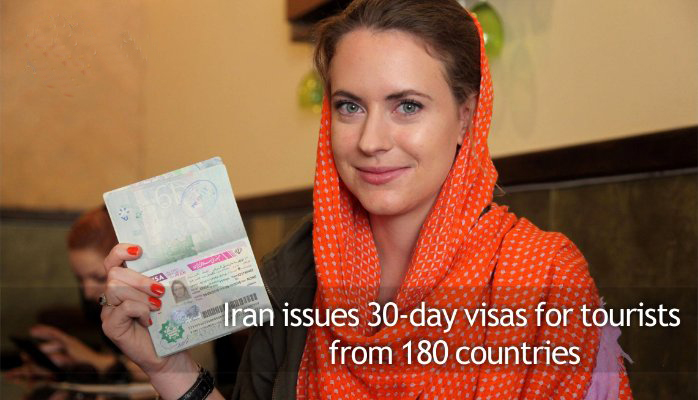
Iran issues 30-day visas for tourists from 180 countries


Feb 13,  Foreign Ministry offices in provinces, and especially country’s international airports are directed to issue 30-day visas for nationals of 180 countries, deputy foreign minister for legal and international affairs Abbas Araqchi said on Saturday.

Araqchi made the remarks in a meeting of Isfahan Governor General, mayor, head of Chamber of Commerce and Agriculture of Isfahan province.
He highlighted the role played by tourism to boost national economy.
He said that the JCPOA provided a golden opportunity to resolve Iran’s economic problems and pave the way for Iran’s advancement and economic development.
Araqchi stressed that the Foreign Ministry is the path opener, while the people and economic activists should use this opportunity to develop their international activities.
Meanwhile, Araqchi advised the private sector activists that signing international memoranda of understanding and agreement is the first steps to keep up with the protocols.
He said that the private sector can do the job freely without going through such procedures.


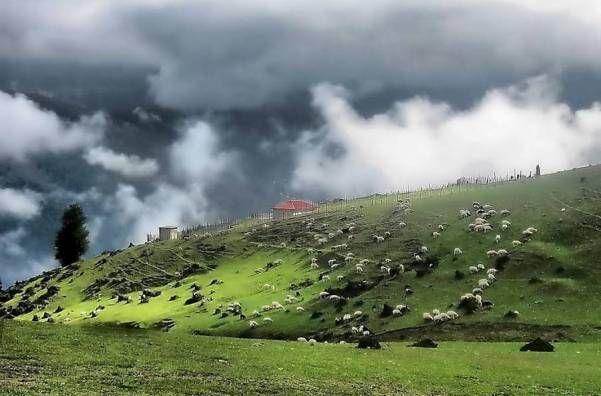
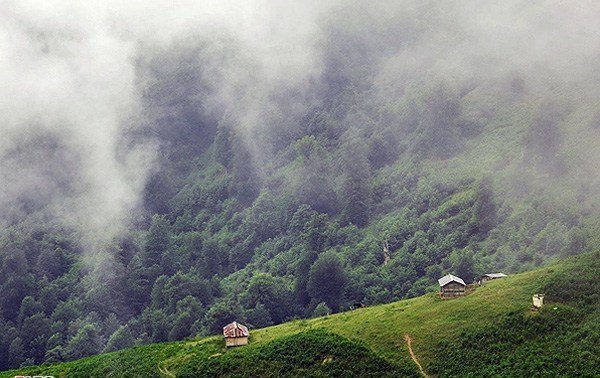
Olasbelanga Countryside(Masal, Guilan) a piece of Paradise

Masal Guilan

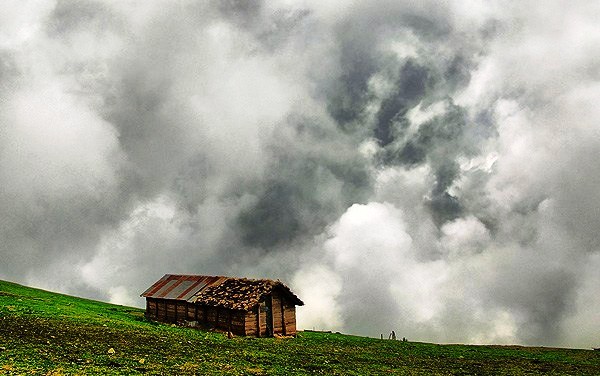
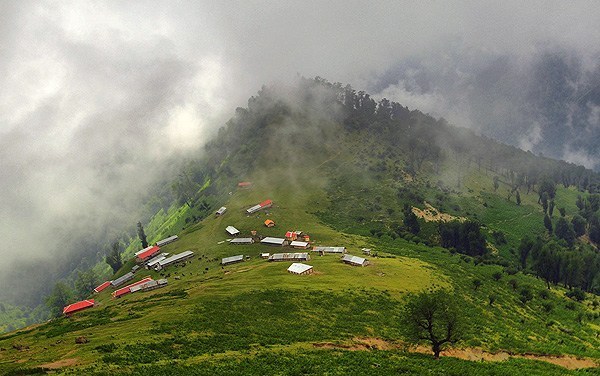
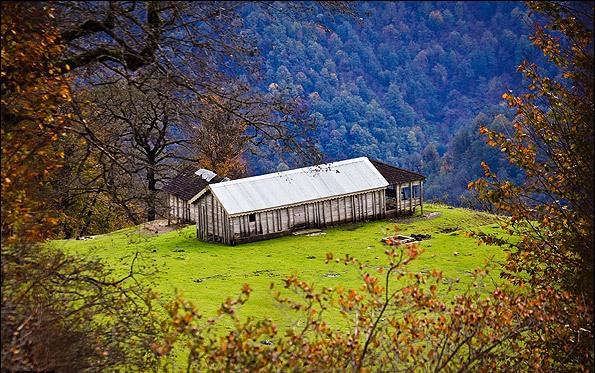
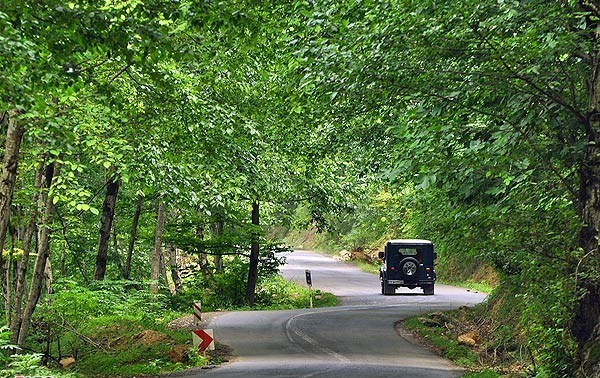
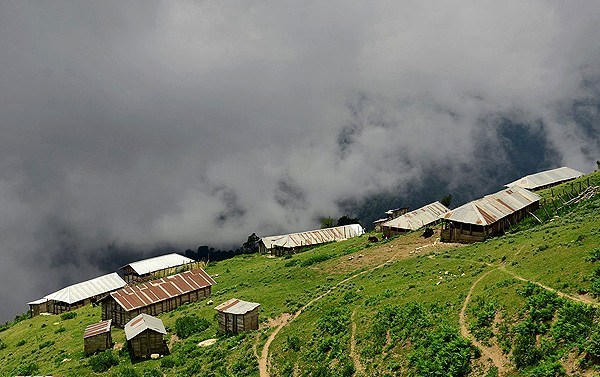
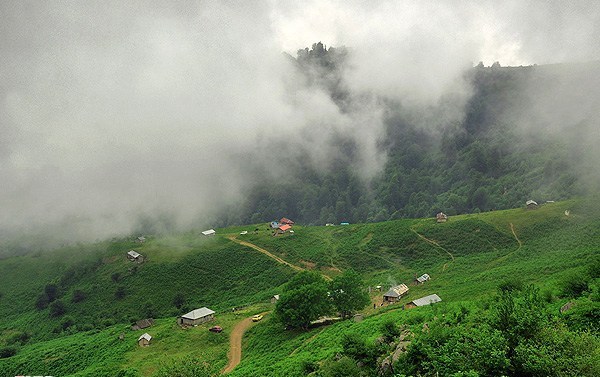
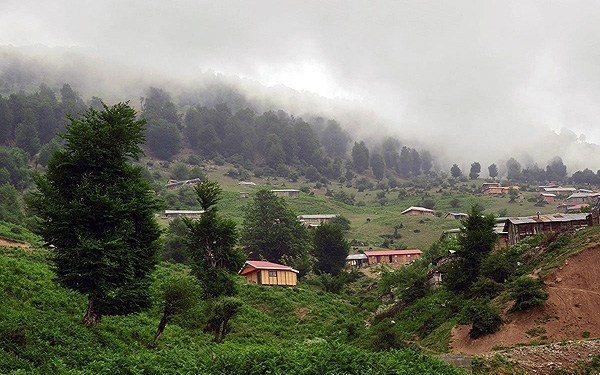
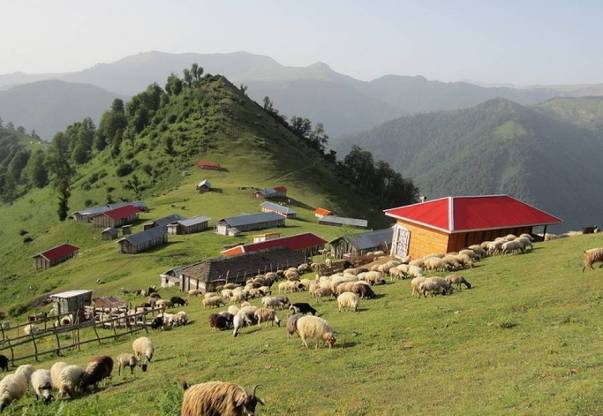
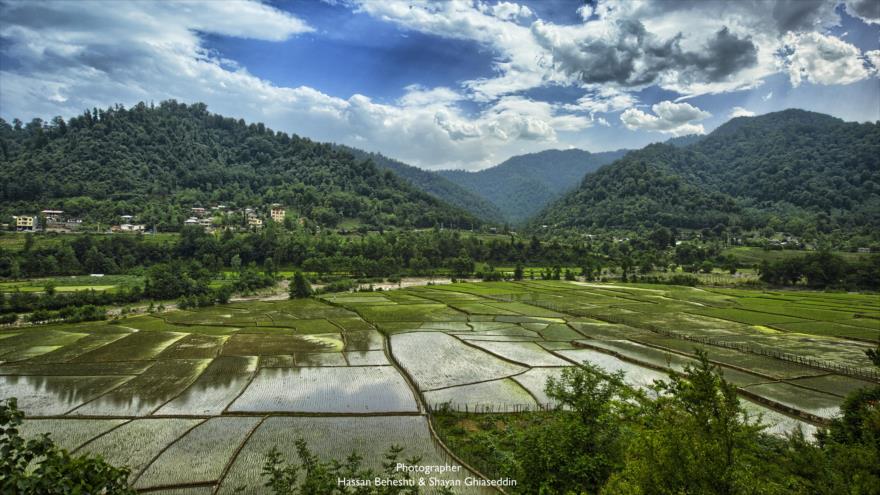
Guilan and interesting nature for nature’s astonishingly always has a surprise.. Village summer Avlsblanga(Olasbelanga) Or Avlsblangah 25 km south of the city of Masal Masal higher in 1200 where one of the attractions of Gilan known that many travelers in spring and summer to bring their. The opportunity to spend the night in a wooden house Avlsblanga memorable experience.

Olasbelanga Countryside(Masal, Guilan)

Masal is 50 kilometers West City. To Avlsblanga which means a tree at high altitude, you should have took the road south out of Masal. This road is approximately 25 km by taxi or car easily accessible. Mirza Koochak Khan testimony loation is also slightly higher than Avlsablanga its enthusiasts.

Olasbelanga Countryside(Masal, Guilan)

Route easy access to the countryside, the main reasons for overcrowding and address of the area.

Olasbelanga Countryside(Masal, Guilan)

Except New hotel construction this summer that has not yet opened, the houses are made of wood and construction materials will not be permitted.. This beautiful village has no electricity grid and lighting and other needs are provided by the electric motor

Olasbelanga Countryside(Masal, Guilan)

If you’re lucky misty and cloudy landscape of the village will experience the beautiful nature that we did not

Masal countryside is an ideal place for the townspeople in the hot days of the year. Where only half an hour away from their homeWith a little walk around the house and away from the road through the village and almost reached the point that the Masal city can be seen.. Sunset in the mountains of Olasabelanga is fantastic.

Olasbelanga Countryside(Masal, Guilan)

Indeed, it is fitting to name this Countryside.
There are two residences in the countryside Olasbelanga during the holidays can be a busy place with limited facilities reserved.

Olasbelanga Countryside(Masal, Guilan)

At the end of Countryside asphalt road, dirt road and pass the end of the dirt road to the Gilvan and Masouleh-Khalkhal road. In the hope that this beautiful countryside evergreen and remain happy and to preserve nature for future generations the pleasure of seeing these areas.

Olasbelanga Countryside(Masal, Guilan)

Iran to Get Luxury Hotel Along Caspian Sea as Tourism Thaws

(Bloomberg) — Iran, where beaches are segregated by gender and alcohol is banned, is getting its first foreign-branded seaside hotel, complete with swimming pools, bars and a spa.

Melia Hotels International SA plans to open the five-star property in a 130-meter (427-feet) tower on the Caspian Sea as early as next year, the Spanish hotel operator said in a statement on Wednesday. The announcement comes after a slew of trade sanctions on the Islamic republic were lifted in January.

“We firmly believe in Iran’s tourism potential,” Chief Executive Officer Gabriel Escarrer said in a statement, which didn’t say whether alcohol will be served at the bars. “We have always been pioneers in the development of new markets.”

Iran’s first foreign-branded hotels in decades arrived in October, when French operator Accor SA opened a Novotel and an Ibis near Tehran’s Imam Khomeini International Airport. Hoteliers including Dubai-based Jumeirah and Abu Dhabi-based Rotana want to cash in on growing tourism in one of the Middle East’s oldest civilizations, with its ancient ruins of Persepolis, pristine Persian Gulf beaches and snow-capped skiing slopes.

Salman Shahr

The Gran Melia Ghoo hotel will form part of a new district being built in the resort of Salman Shahr. It will compete with a property being built by Rotana to become the first luxury hotel operated by an overseas company in Iran since Ayatollah Khomeini’s revolution forced Hyatt, Sheraton and owners of other brands to flee in 1979.

Iran will probably have almost 900 hotels within five years, compared with 768 now, according to a forecast by Euromonitor International. Lodging revenue is set to increase about 25 percent during that time, the firm predicts, as the number of visitors is forecast to grow by a similar percentage to 6.3 million.

“It’s a tremendous opportunity,” said Nikola Kosutic, Euromonitor’s head of Middle East research. “The quality of accommodation is not according to Western standards, and we expect a great shift on that front, mostly through launches of international hotel chains.”

Tehran and the religious pilgrimage site of Mashhad will probably draw most of the investment, with the ancient cities of Isfahan, Shiraz and Tabriz also considered attractive tourist destinations, according to Euromonitor.

Still, some of the biggest hotel companies are holding back. U.K.-based InterContinental Hotels Group Plc, owner of the Holiday Inn and Crowne Plaza brands, currently has no plans to expand to Iran, a spokesman said. U.S.-based Hilton Worldwide Holdings Inc., is also holding off, despite seeing “significant potential for hospitality growth,” the company said in an e- mailed statement.

Remaining Restrictions

While the the UN, U.S. and European nations lifted sanctions connected to Iran’s nuclear program in January, other restrictions tied to accusations of terrorism and human rights abuses remain.These prohibit U.S. companies from doing business with certain Iranian counterparts.

For Melia, based in Palma de Mallorca, the lifting of the sanctions means it can enter before U.S. competitors do.

“Our Mediterranean roots make it easier for us to connect with the Middle East hospitality concept and philosophy,” Escarrer said in the statement.

Meliá Hotels to open first international luxury hotel in Iran


Meliá Hotels International has announced its entry into the Iranian market with the first five-star branded hotel, which will be managed by an international hotel company, Gran Meliá Ghoo Hotel.

The property will be located in the largest mixed residential, commercial and hotel complex to be developed in Iran, which is currently being built in Salman Shahr, a popular holiday destination on the Caspian Sea.

The Spanish hotel chain takes an important step in becoming one of the leading international hotel groups in Iran, a country which expects to see significant tourism development after the lifting of sanctions that have restricted foreign investment since 2006.

Iran expects to attract more than 20 million passengers a year by 2025, compared to the current five million.

The hotel is part of the “Ghoo, Middle East Diamond” stunning development being built by the Iranian businessman and investor Ahad Azimzadeh in Salman Shahr (Mazandaran Province), in the north of the country, which is a year round business and holiday destination.

In addition to the hotel, the resort will also feature two residential towers, a sports centre, parking and a retail mall – which is already open to the public – all within an area of 180,000m².

Gran Meliá Ghoo will occupy a 130-metre high tower, boasting 319 deluxe rooms of different types including a Presidential Suite measuring more than 500m².

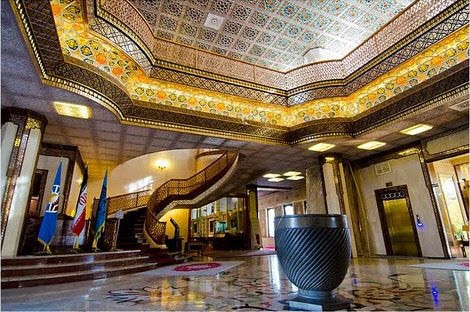
The hotel will provide all of the luxury services and facilities expected of a five-star hotel, with seven restaurants and bars, over 1,300 m² of meeting and banquet facilities, two swimming pools, a spa, and diverse leisure and shopping facilities.

Gabriel Escarrer, vice chairman, Meliá Hotels International, stated that the hotel is an important milestone for the Gran Meliá brand and for the company: “We have always been pioneers in the development of new markets in the travel and tourism industry, so it is a great challenge for us to be involved in a project, which is so important for the future of the industry in this country, in a historic moment for the international relations within the area.

“We firmly believe in Iran’s tourism potential and I am also very proud to have earned the trust of our partners in the management of this hotel, a further demonstration that we are a significant international player for the most prestigious hotel projects anywhere in the world.”

One of the largest countries in the Middle East, Iran has a strategic position connecting Russia and Turkey to the Arab world, as well as being a key hub for transportation between Asia and Europe.

Iran has one of the top 20 largest economies in the world, and the lifting of sanctions will now open up a new phase for foreign investment, for which the Iranian government is already implementing strategies to accelerate the development of key sectors, especially oil and gas, technology and tourism.

Foreign tourists spent billions in Iran last year

A senior Iranian official says millions of foreign tourists spent nearly eight billion dollars in the country last year.

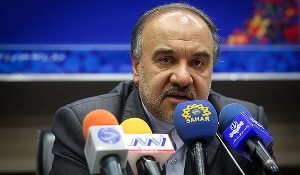
Masoud Soltanifar, head of Iran’s Cultural Heritage, Handicrafts and Tourism Organization, told reporters on Monday that some five million foreign tourists visited Iran last year, spending at least 7.5 billion dollars.

“Currently, the country’s income from tourism industry accounts for half a percent of the global revenue,” Soltanifar said, adding that the government seeks to increase the figure to two percent by 2025, IRNA reported.

The senior official, who is also a deputy to the Iranian president, noted that Iran ranks 47th on the list of countries with highest tourist number, saying that given its tourist destinations, the country needs to attract some 20 million foreign visitors by 2025.

A New York Times report last month said tour operators in America have been speaking of a surge in bookings by many Americans who, undeterred by a State Department warning about travel risks to Iran, are keen on visiting the country.

Iranian officials told the Associated Press last fall that the country’s tourism sector aims to attract $30 billion by 2025.

Iran hosts some of the world’s oldest cultural monuments, including 19 UNESCO World Heritage Sites, and its varied terrain ranges from desert locales to ski resorts.

Iran tourism, however, reportedly suffers some deficiencies such as shortage of enough hotels and some financial restrictions for foreign money transfers.

Officials say hotel groups from Germany, Greece, South Korea and Singapore traveled to Iran last year for talks on hotel construction.

Europe’s largest hotel group Accor has already built two four-star hotels at Imam Khomeini International Airport outside the capital, Tehran.

Also, the UAE-based Rotana plans to open a five-star 600-room hotel in Tehran and another in the city of Mashhad, which attracts millions of pilgrims each year.

MasterCard warned for violating Iran bans


The US Treasury Department has given a sanctions violation notice to the US payment system MasterCard over an alleged credit card cooperation scheme with two blacklisted Iranian banks.

The Treasury in a statement has announced that its Office of Foreign Assets Control (OFAC) has identified dormant MasterCard accounts at Iran’s Bank Melli and Bank Saderat which it has described as two blacklisted Iranian banks.

“As a large and commercially sophisticated company that deals primarily with banks and other financial institutions, MasterCard should have identified and reported accounts, funds, and property and interests in property,” the release said.

The MasterCard accounts remained dormant and funds in those accounts never reached any sanctioned individuals or institutions, according to the release. Moreover, MasterCard cooperated with authorities during the investigation. As a result the Treasury’s enforcement was limited to a “finding of violation,” with no further penalties, the release continued.

The violations occurred prior to the January 16 implementation of an international nuclear deal with Iran, which resulted in sanctions against Bank Melli being lifted, along with most other economic sanctions against the Islamic Republic.

Iran’s media reported in December that MasterCard has started to reach out to the Iranians by launching a public relations campaign in Persian in popular social media like Telegram.  This was seen as a move by the US payment services corporation to prepare to set its foot in the Iranian market.   

Iranians under the current regime of US-engineered sanctions cannot use the services of the international electronic payment operators like MasterCard, PayPal, Visa and others.

This has significantly complicated not only individual foreign-bound payments by Iranians but also business transactions between Iranians and foreigners.

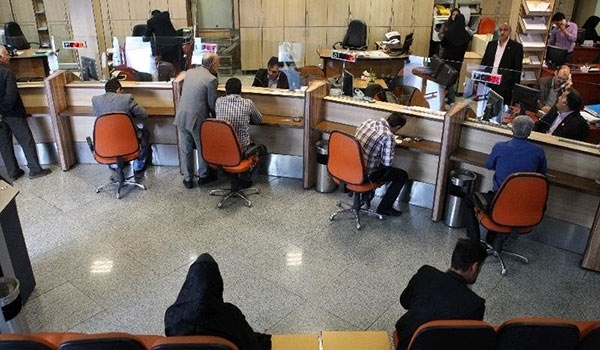
Iranian Banks to Open Branches in Turkey


Iranian Banks to Open Branches in Turkey

TEHRAN (FNA)- Two Iranian banks have reportedly applied to do business in Turkey, the Turkish media said on Wednesday.

The media in Turkey have reported that two Iranian lenders have applied to do business in the Turkish market.

“We have taken demands from Iranian banks. Two Iranian lenders want to take banking license in Turkey,” reports have quoted Mehmet Ali Akben, the head of Turkey’s Banking Regulation and Supervision Agency, as saying.

Akben, who did not name the Iranian banks, has further emphasized that further interest in the Turkish market is expected from the Iranian banking sector in the upcoming period of the post-sanctions era.

He said that Turkey’s banking sector operates in accordance with global standards, and this has given much prestige to the sector.

This is while the preferential trade agreement with Iran, which came into effect in early 2015, has already paved the way for Iranian banks to enter the Turkish market.

Iran and Turkey have been pursuing increasing widening of their ties in various fields in the last two decades. Iran is a main energy supplier to Turkey and Ankara has made huge investments in Iran.

Earlier this month, Iranian First Vice-President Eshaq Jahangiri called for the further expansion of bilateral ties with Turkey, and underlined that the two countries should increase their trade balance to $30 billion in the near future.

“A suitable roadmap should be drawn up for expansion of Iran-Turkey relations so that volume of bilateral commercial and economic transactions will be upgraded to $30 billion a year in a short period of time,” Jahangiri said, addressing a joint meeting of Iranian and Turkish traders, also attended by visiting Davutoglu, in Tehran.

He went on to say that Iran and Turkey are important, great and influential countries in the region.

“Iran and Turkey hold good and growing relations and can have positive and constructive impact on destiny of the region, specially in a juncture that the world of Islam faces many problems. Tehran-Ankara cooperation can play an important role in settlement of the problems,” Jahangiri added.

He also said that good accords were reached between the two countries and they had made good decisions in various domains, including oil and gas, customs, banking and tourism cooperation.

Jahangiri urged the Turkish tourists to travel to Iran, and said Tehran wants Turkish financiers to invest in tourism in Iran and build hotels and be active in other tourism infrastructures.

Britain and Iran sign agreement for up to six flights a day between the two countries


British Airways

After decades of frosty aviation relations, Iran and Britain have signed an agreement for up to six flights a day between the two countries – leading to speculation that Tehran airport could seize back its role as the express route to the Orient.

In the days when Abu Dhabi, Doha and Dubai were mere dusty refuelling stops for intercontinental jets, the Iranian capital was an aviation crossroads. Budget travellers seeking “bucket shop” tickets to the East would often find themselves changing planes at unearthly hours to reach Delhi, Bangkok and Tokyo.
Iran Air, the oldest airline in the Middle East, at one time held the record for the longest scheduled flight: over 12 hours from Tehran to New York JFK. But the 1979 revolution and international sanctions over nuclear capabilities put paid to Iran’s aviation ambitions. Flights from London continued, though for a time the airline was not allowed to refuel at Heathrow and needed to make an additional stop at Manston in Kent on the journey to Tehran.

At present the only onward destinations from Imam Khomeini airport of interest to British travellers are Beijing, Bombay and Kuala Lumpur. But with an order book for more than 200 new jets, permission to fly more frequently to Britain and dormant flying rights to many other Asian cities, Iran Air is back on course.
Meanwhile, British Airways has announced a return to the city to which it first flew 70 years ago, but which it axed in 2012. Starting shortly after the end of Ramadan in July, the airline will fly six times a week from Heathrow to Tehran, going daily from October.

With return fares as low as £384 for the 5,500-mile round trip, BA is seeking to attract tourists to Iran. The Islamic Republic’s London embassy re-opened last August, making it easier to get a visa. But the tourism infrastructure is flimsy, and UK travellers who subsequently wish to visit the US will find the process much tougher with evidence of a stay in Iran.
The Foreign Office also warns: “Homosexual behaviour, adultery and sex outside of marriage are illegal under Iranian law and can carry the death penalty.”

The travel writer, Tony Wheeler, says of his most recent visit: “I can’t remember the last time I was treated with such hospitality. While dining alone in restaurants, I’d regularly get invited over to join another table. By the end of my visit I had a collection of photographs with Iranian families who wanted me to join the family snapshot.”

Iran Lifting Visa Requirements with 28 Countries


Soltani Fard

TEHRAN (FNA)- President of Iran’s Cultural Heritage, Handicrafts and Tourism Organization Masoud Soltanifar said Tehran is planning to lift visa restrictions with 28 countries.

The official said the plan is to lift visa requirements with 28 countries in an effort to boost the mutual tourism ties with the target countries.

He said the countries with which Iran plans to lift the visa requirements will be from a total of 40 countries to expand cooperation in travel and tourism.

Soltanifar added that Iran is also working on a separate plan to promote tourism cooperation with 15 neighboring states.

He further emphasized that official figures show there has been an increase of 12 percent in the number of foreign tourists who have visited Iran over the past two years.

This, the official emphasized, is while the number of visits by foreign tourists at the international level has shown an increase of only 6.4 percent over the same period.

Soltanifar had earlier announced that some five million foreign tourists visited Iran last year. He had also stressed that Iran would need to attract some 20 million foreign visitors by 2025.

Iran hosts some of the world’s oldest cultural monuments, including 19 UNESCO World Heritage Sites, and its varied terrain ranges from desert locales to ski resorts.

The country has devised a series of plans to bring its hospitality standards to international levels. To the same effect, related companies from Germany, Greece, South Korea and Singapore are already discussing hotel projects with Iran.

Europe’s largest hotel group Accor has already built two four-star hotels at Imam Khomeini International Airport outside the capital, Tehran.

Also, the UAE-based Rotana plans to open a five-star 600-room hotel in Tehran and another in the city of Mashhad, which attracts millions of pilgrims each year.

Prince Charles is reportedly contemplating a trip to Iran


The UK’s Sunday Times reported Sunday that Prince Charles, the heir to the British throne, is considering the possibility of an official state visit to Iran.

The British royal family have not made an official visit to the Islamic Republic in 40 years, before the revolution which overthrew the Shah in 1979.

Clarence House, which is attached to St James’s Palace and acts as Prince Charles’s private office, was said to be liaising with the Foreign Office in order to explore the possibility further.

No member of the British monarchy has visited Israel on an official visit since the state’s founding. Last year Prime Minister Benjamin Netanyahu invited Prince Charles to make an official visit to the Jewish state while the two spoke at the Paris conference on climate change.