Tourism serves as ‘a bridge between nations’, Rouhani says
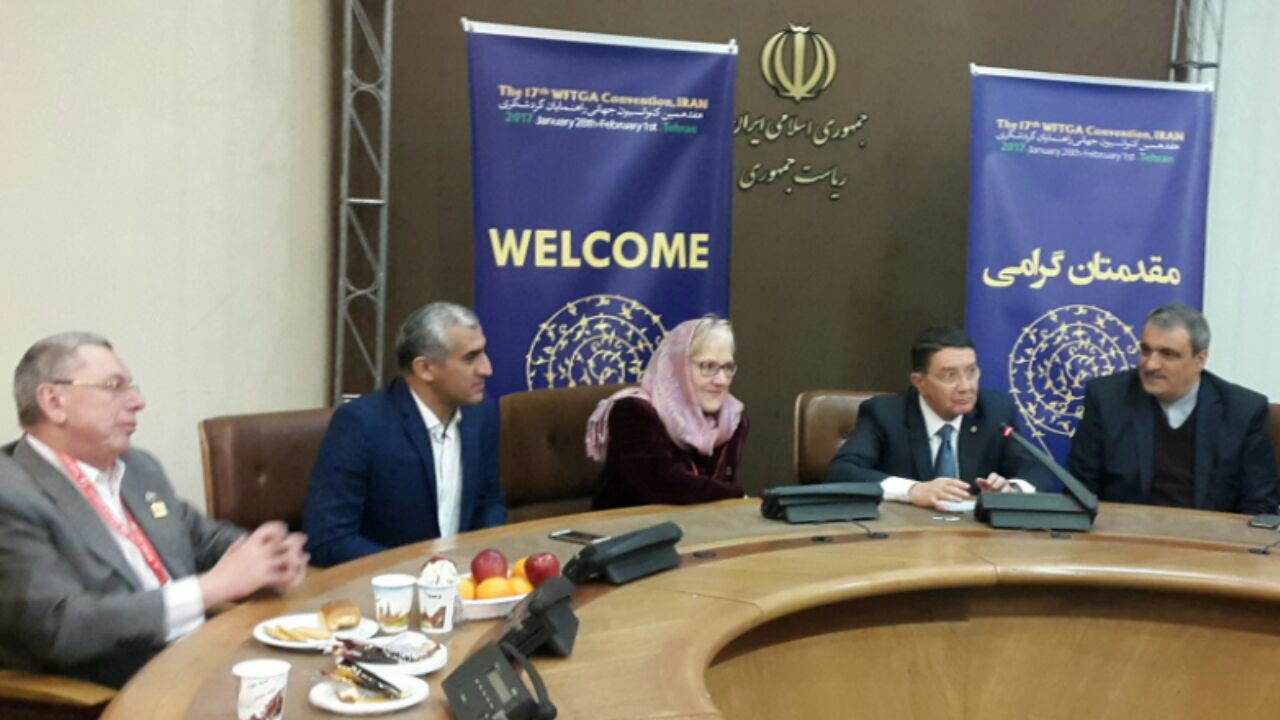
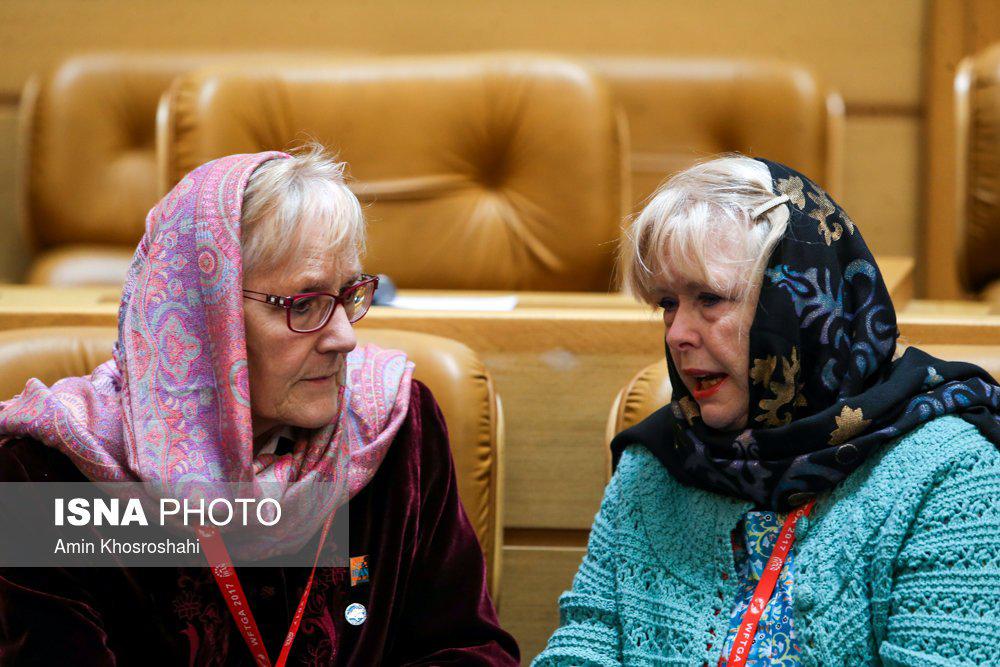
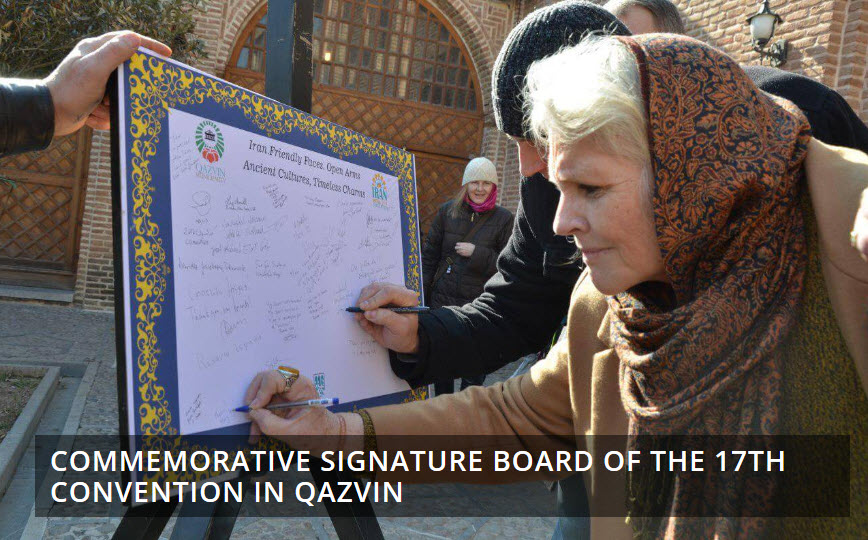
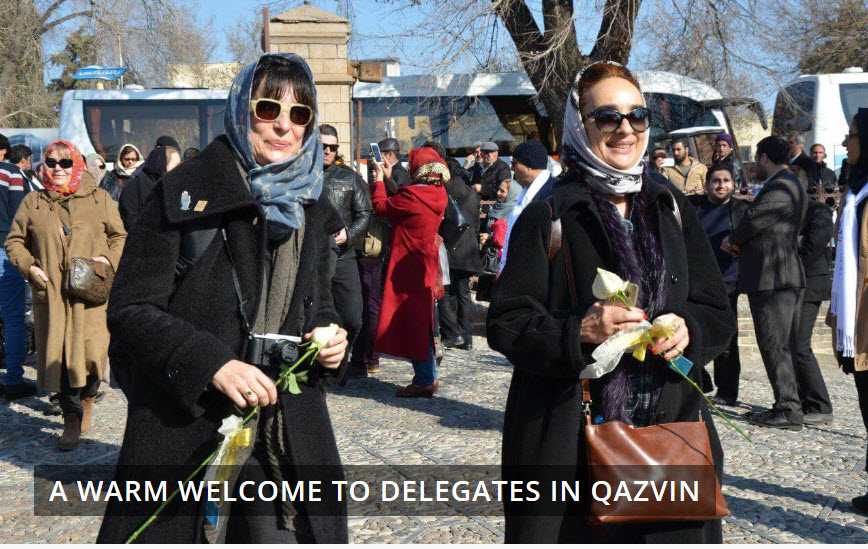
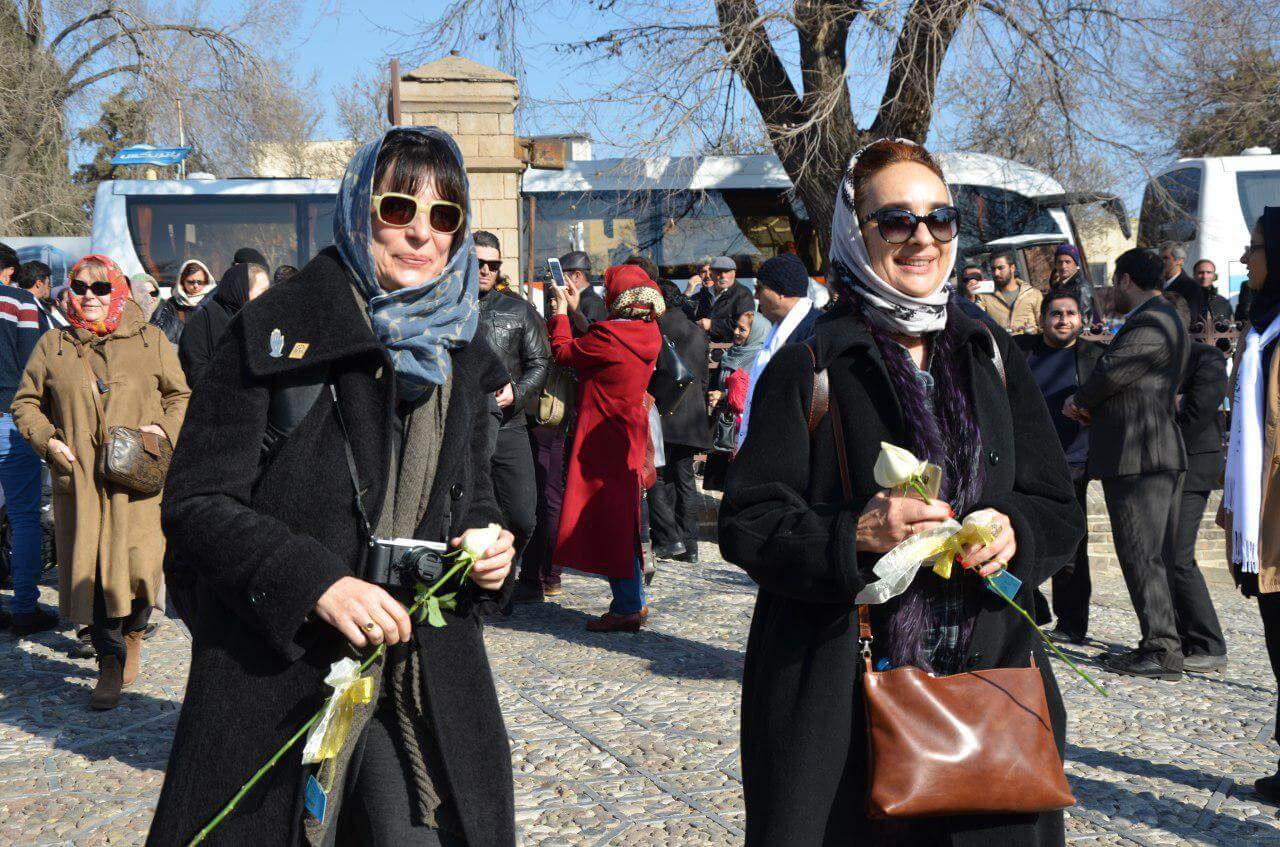
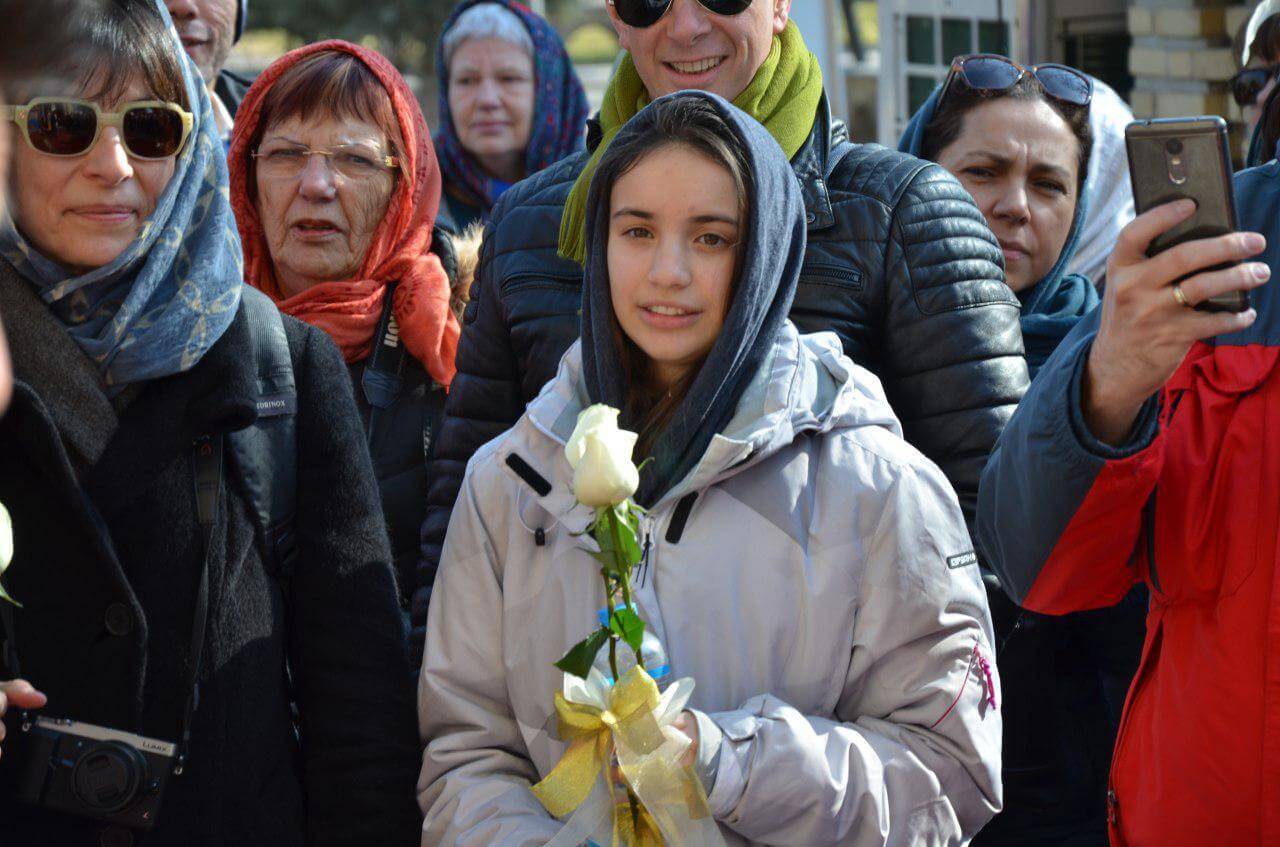
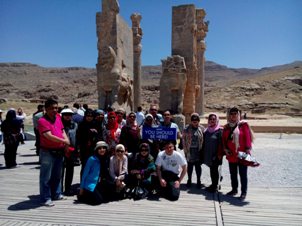
TEHRAN – President Hassan Rouhani has said tourism and tour guides serve as bridges between nations and links between different cultures and civilizations.
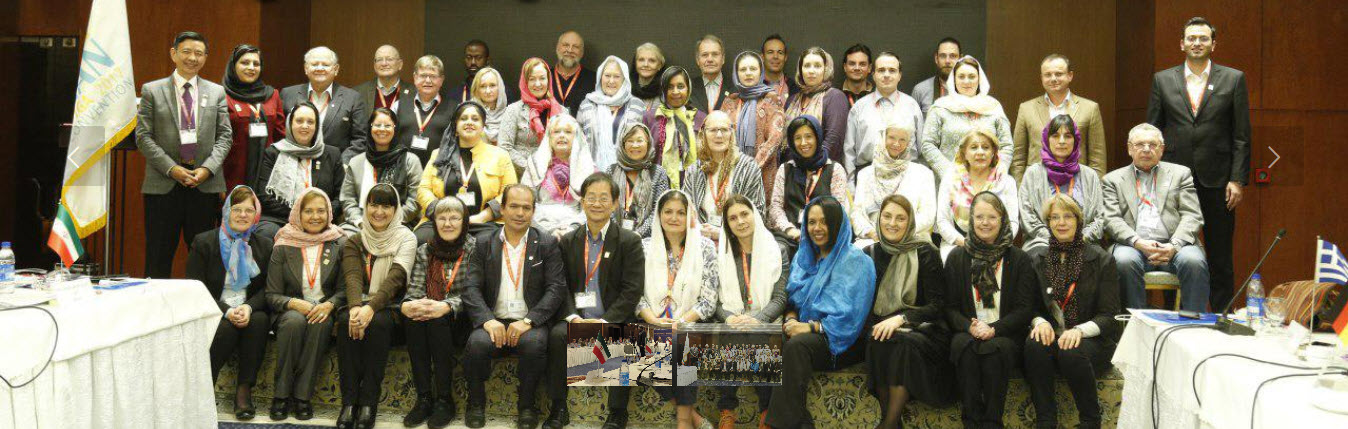
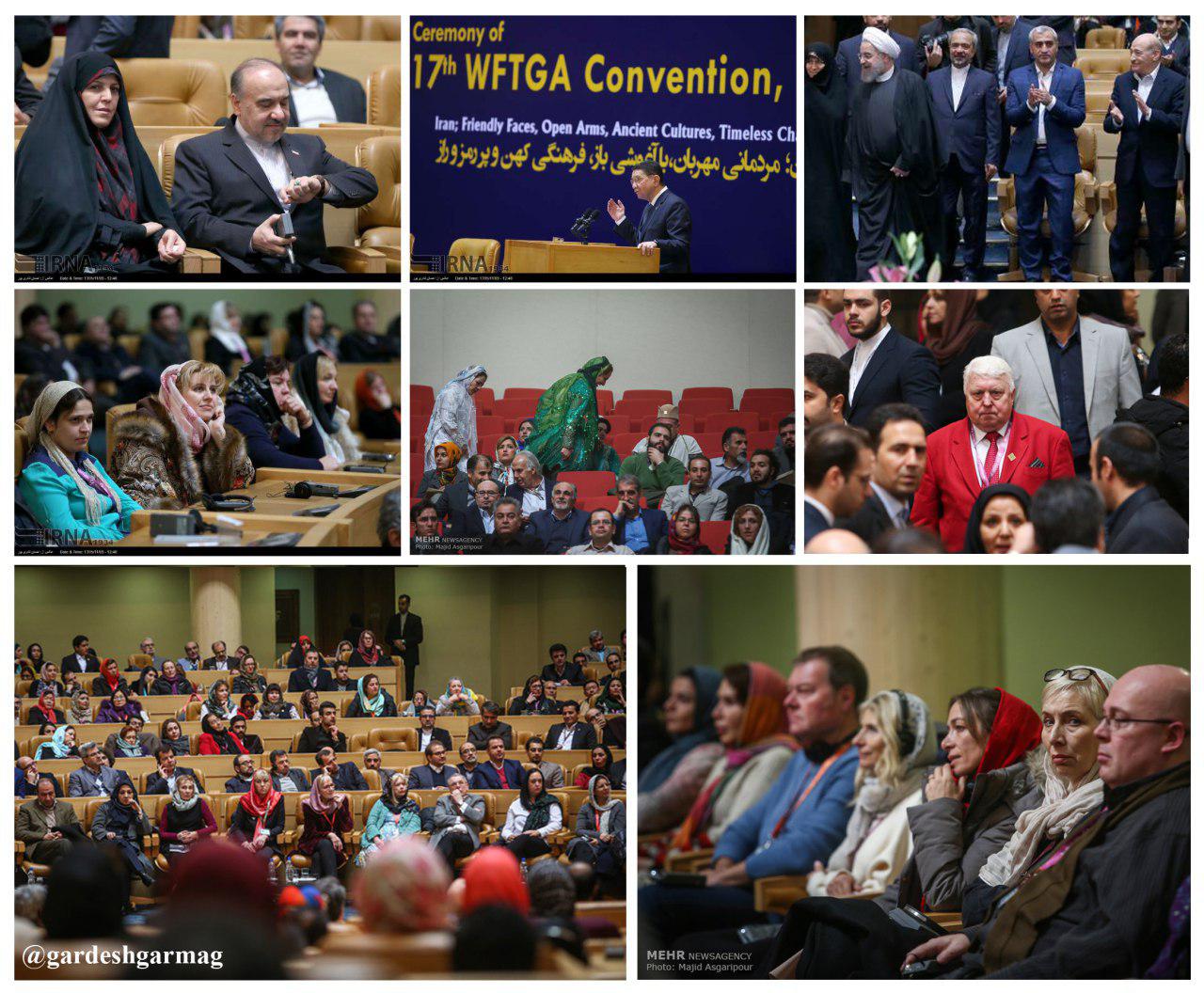
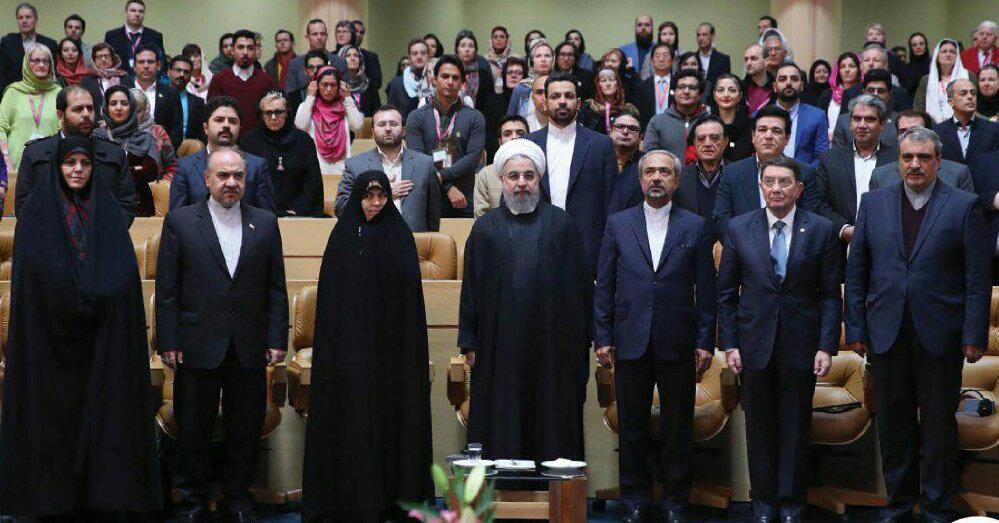
“The era of the building wall between the nations is at an end,” said Rouhani, the opening ceremony of the 17th World Federation of Tourist Guide Associations (WFTGA) Convention in Tehran on Saturday.
“They have forgotten that the Berlin Wall fell a few years ago. If a Wall separates nations, it should be removed,” More news agency quoted Rouhani as I said.
“In the world today, all countries are like neighbors, communication and globalization have shortened distances, and a decoupling of global trade links would not be beneficial to the global economy.” Highlighting the main role of tourism, the president pointed to tour guides, said: “You as the servants of the cultural heritage, tell the younger generation of the ancient civilization of man and historical works.”
He went on to say that BARJAM (the Persian acronym for the nuclear agreement) paved the way for more foreign tourists to visit Iran. “We are striving to develop our tourism industry by rebuilding our aircraft fleet, expanding the railway network and building highways to increase the flow of tourism.
Tourism is the decisive economic role
Cultural Heritage, Tourism and Handicrafts Organization Director Zahra Ahmadipour reminded that participants were nominated by the World Organization of the United Nations as the “International Year of Sustainable Tourism for Development” in 2017.
She said that such an initiative by UNWTO shows that tourism is a key factor that contributes to the lives and lives of people around the world.
Ahmadipour, who doubled as vice president, touched the economic achievements of tourism for the host countries when it comes to generating income, job creation and the redistribution of wealth: “The tourism industry is of great importance as it accounts for 10 percent of the world ‘s population GDP and one of 11 jobs in the world. “
About $ 24 billion came in Iran for the past three and a half years because of foreign tourists, CHTHO deputy director Morteza Rahmani-Movahhed said in September 2016. Iran expects to reap a bonanza from its numerous tourist points, including 21, which have been placed on the UNESCO World Heritage list after it was agreed to bring back its nuclear program to evade for relief from economic battles in July 2015.
Foreign tourist arrivals in Iran have been more than twice the global average since the implementation of the agreement in January 2016, according to CHTHO in October 2016.
The country has launched extensive plans to strengthen its tourism sector. As part of the 2025 tourism vision, the country plans to increase the number of tourist arrivals from 4.8 million in 2014 to 20 million by 2025.
Iran has also offered to grant years of tax exemption to both domestic and foreign companies and individuals as an incentive to increase investment in their tourism industry.
Until recently, citizens of approximately 190 countries can obtain a visa with a one-month validation upon arrival at the country’s airports.
https://kalouttour.com/wp-content/uploads/2017/08/kalout-300x225-80x80.png00adminhttps://kalouttour.com/wp-content/uploads/2017/08/kalout-300x225-80x80.pngadmin2017-01-29 13:33:042017-03-13 13:40:02Tourism serves as ‘a bridge between nations’, Rouhani says
Iran ready to cooperate with Muslim countries in medical science
Health Desk
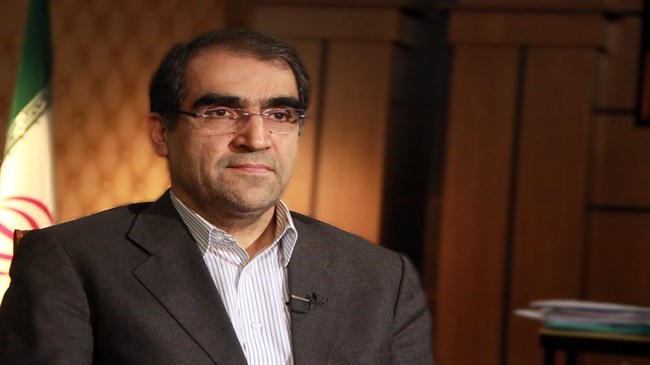
Iran is ready to work with Muslim countries in medical science and transfer the expertise in this field, said Minister of Health and Medical Education.
Hassan Qazizadeh Hashemi said at the Mashhad 2017 ceremony to mark the investment of the city as the capital of Islamic culture that Iran has made great progress in the scientific fields especially in medicine.
He took 16th place in scientific growth worldwide and for the first time in the number of registered articles in international centers.
He underlined the need to foster relations between the Muslim countries, particularly through the exchange of scientific experience and knowledge. Muslim countries can pioneer in scientific production and scientific progress in the Union and solidarity, he said.
He also said the Health Overhaul Plan is one of the achievements of the current government. It has positive results, he added.
It led to a reduction in medical costs and was recognized twice by the World Health Organization, he said.
He said the insurance coverage for all Iranians has lowered medical costs by paying the village residents only three percent of medical costs, while urban residents pay six percent.
Qazizadeh called for effective cooperation between Muslim researchers and the Islamic educational, scientific and cultural organization (ISESCO).
The minister said Mashhad has invaluable experiences in health tourism. Annually, a remarkable number of people from neighboring nations travel to Mashhad to get health services, he added.
Mashhad 2017 aims to promote interactions with the Islamic world.
Mashhad was chosen as the Asian Islamic cultural capital of the world in 2017 by ISESCO.
https://kalouttour.com/wp-content/uploads/2017/08/kalout-300x225-80x80.png00adminhttps://kalouttour.com/wp-content/uploads/2017/08/kalout-300x225-80x80.pngadmin2017-01-28 18:02:022017-03-13 13:40:48Iran ready to cooperate with Muslim countries in medical science
“What are they waiting for?” I ask a spice seller, pointing at the long queue zigzagging down the street. “Moslem restaurant. Best tah-chin of Tehran,” he replies proudly.
In Farsi, tah means bottom, while chin suggests the idea of layering; tah-chin is the unpretentious, crusty rice layered with chicken that has absorbed every last drop of the warm saffron and melted butter lying at the bottom of the pan. The result is a slice of saffron goodness that is crunchy on the outside, soft on the inside and usually covered in fresh pistachios and sour barberries, which complement the sweetness of the moist, buttery rice.
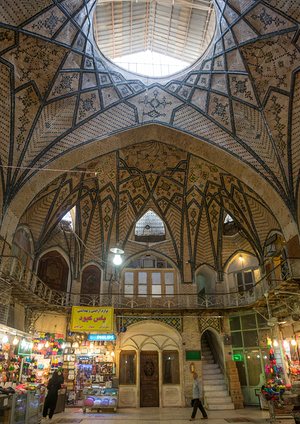
Hidden in the meandering alleys of the Iranian capital’s Grand Bazaar, behind the screaming street traders selling dried figs, raw pistachios and brightly coloured hijabs, Moslem is on the first floor of a dull-looking building and, although popular with Iranians, it remains largely unknown to the growing number of foreign tourists. No one there speaks English, so I ask my neighbours in the queue if they can help me out.
Moslem restaurant is in Tehran’s Grand Bazaar. Photograph: Alamy
A friendly Iranian family guide me through the process – declaring loudly what part of the chicken I would like, while collecting complimentary mint-and-dill yoghurt sauces sprinkled with rose petals.
At the long communal table, after being greeted as a foreigner and offered food samples by my fellow diners, a waiter brings me the biggest portion of mouth-watering tah-chin in Tehran. “Welcome to Iran!”
•The restaurant is on Panzdah-e-Khordad Street, but ask anyone at the bazaar and they’ll point you in the right direction
https://kalouttour.com/wp-content/uploads/2017/01/1440.jpg00adminhttps://kalouttour.com/wp-content/uploads/2017/08/kalout-300x225-80x80.pngadmin2017-01-28 09:57:052017-03-13 13:40:51The foodie traveller … in Tehran’s Grand Bazaar | Travel
When I was 12, I went to a boarding school in Nishapur, north-eastern Iran, adjacent to the garden where the poet and scientist Omar Khayyám is buried. A part of the garden could be seen from our classroom window and the splashing sound of water, flowing down from a water tank amid the plants, was the background music of our lessons.
Each teacher coming to our class would point beyond the window and talk of the importance of Khayyám, adding that to become Khayyám, one had to study. The maths teacher would speak of Khayyám the mathematician. The science teacher would talk about Khayyám the astronomer. Even the religious studies teacher would speak of Khayyám as the expert on quotes from the prophet and his descendants, and a person who had a vast knowledge of Islam.
I became acquainted with multiple Khayyáms, but I got to know the real Khayyám in the afternoon. After school, we were admitted to the garden. Khayyám’s mausoleum divides the space into two. This garden, one of the oldest among the gardens of the old and new Nishapur, is one of the most vibrant spaces I have ever seen.
A teahouse opened there some years ago that serves the world’s tastiest tea. Next to it, a small shop sells the fine-cut turquoise of Nishapur, giving explanations lest the customers confuse Chinese and American turquoise with that of Nishapur, which has stone veins. An uncrowded, charming library has now been turned into a museum (though I’d rather it had stayed a library).
Whenever I happen to go back to the east of Iran, I deflect my route so as to have a brief stop in the garden where Khayyám is buried, to drink a cup of tea there, and, if there is time, to take a stroll on the ancient ground.
•Ali Ashgar Seidabadi is the author of more than 40 books for children and young adults. His next book, A Rainbow in My Pocket, will be published by Tiny Owl in July 2016
https://kalouttour.com/wp-content/uploads/2017/01/9047e0e5-0c11-4f78-b36b-544cada0afa7-2060x1236.jpeg00adminhttps://kalouttour.com/wp-content/uploads/2017/08/kalout-300x225-80x80.pngadmin2017-01-25 12:12:052017-03-13 13:41:13Hallowed ground: the mausoleum of Omar Khayyám and its gardens, Iran | Travel
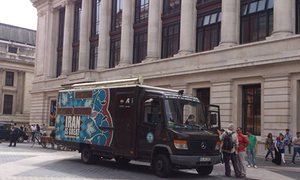
At 1pm on Monday, a family van parked outside the Science Museum in central London . Within two hours, as the family of four including eight-year-old Lucas and his younger sister Emilea returned from the nearby Natural History Museum, they found their windows had been smashed.
There must have been a burglary, they thought; in fact, as they found later, their vehicle had been at the centre of a major security alert involving the bomb squad. Counter-terrorism police had evacuated the museum and closed roads before breaking into the van, suspecting it contained a bomb. Instead, they found dolls and stationery scattered around inside.
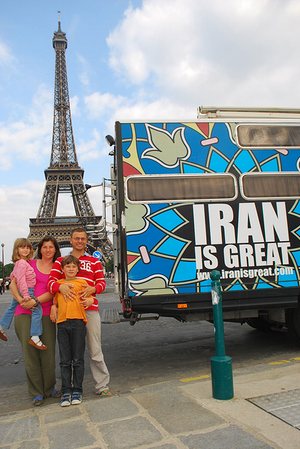
Cristian Ivan, the Romanian father, had no idea the big “Iran is Great” sign emblazoned on both sides of his van could cause such a commotion.
Cristian Florin Ivan and his family with their Iran van outside the Science Museum, London. Photograph: Ivan family/Facebook
Cristian, his French wife, Audrey, and German-born children had arrived a week earlier to participate in a festival in Wales, their first visit to the UK. In the five years since they started to live and travel in their van around the world, visiting museums has become an essential part of the home schooling of their kids. It was during a trip to Iran that they fell in love with the country and later decided to start their own campaign encouraging others to visit.
“Visiting museums is like school for our children,” Cristian said. “We parked the car in front of the Science Museum; when we came out we were confused – why would the police do something like that? We were told it was because of the message written on the van.”
Cristian particularly felt agitated that the police had not left any note behind, explaining what had happened. “I went to the police station and they accused me of provoking the whole thing, they wanted me to feel responsible for expressing my views about this country, Iran.” He has not received an apology.
Later that day at the station, a policewoman told Cristian in an episode that has since been posted online: “We had to block the road, we had to call out the bomb squad, we had to call up supervisors to come down, we had to close everywhere off because your vehicle was parked in a higher security hotspot in London with that written on the sides. That’s the justification, it doesn’t say ‘Spain is Great’, ‘Italy is Great’, whatever.”
A >Metropolitan police spokeswoman told the Guardian on Thursday: “There was a security alert in the Kensington area on Monday as a result of a suspicious vehicle.” When pressed if the police has since apologised, the Met said it has not received an official request of such.
Cristian Ivan cleans up his van after a window is smashed outside the Science Museum
“Do I have to beg for an apology?” Cristian complained. “They broke into my private property, they damaged my property, it’s where we live. Our children are frightened, they don’t feel secure, they were so scared they slept in our bed.”
“I’m not blaming the police for what they did, I’m blaming them for what they did not,” he said. “I understand they need to do their job but they could have left a note ‘we damaged your car’, ‘sorry’ or at least saying ‘it was us, please call us’.”
Falling in love with Iran
The Ivan family began their new lifestyle five years ago. Cristian met Audrey in Germany where he was studying economics and then engineering. They made enough money to buy a house in Kassel, Germany, and later decided to rent it out to fund an adventure in their van across the globe. A monthly income of €2,000 has been more than enough.
Their first destination was India but in order to get there overland they had to cross into Iran. They initially hesitated but then decided to go. What they saw there took them by surprise.
Cristian Florin Ivan and his family with their Iran vis Great an in Paris. Photograph: Ivan family/Facebook
“We planned to stay five days; we ended up staying two months,” Cristian said. “During the Mahmoud Ahmadinejad years, Iran had a particularly negative image in Europe. We went there anyway, we were overwhelmed by the beauty of the country and how people treated us; something we had never experienced in any country before and after.”
“We expected thieves, terrorists to attack us, instead we saw people waving at us and welcoming us and giving us gifts and saying how honoured they were that we were visiting their country.”
What happened earlier this week in London was not the first incident involving their van. In 2013, while visiting Iran for the second time, they were actually robbed when staying in the city of Karaj, west of the capital, Tehran. Thieves took all their money and documents, including passports. Without them, they couldn’t leave the country.
“We were in deep trouble, we had to apply for Romanian, French, German passports,” he said. “When thieves took our things we put a sign up saying ‘dear thieves, please at least give us our paper back, we want to go home’, it was so desperate.”
The Iranians, he said, reacted overwhelmingly. “There was a lot of reaction online, there was a hype, many many people knew about our situation when there were meeting us in the metro in Tehran, for example. They would ask us going to their house, they would say ‘can I give you some money?’, ‘please forgive us’, ‘this is not the real Iran’,” he said. “We were already in love with Iran but that showed us that we can do something in return to these people.”
Could he compare that incident in Iran to the trouble in London? “In Iran we had a better experience afterwards. OK, we had a bad moment, but then the reaction of the people and the authorities in Iran was tremendous, overwhelming,” he said. “It was the moment our project was born, it was born in a very desperate moment but it was born of the reaction of Iranians and authorities, the way they treated us. The high ranking officials invited us to their offices, they said sorry for what happened, it’s something I’m still missing from the British authorities.”
Their 2013 trip to Iran was intended for a month but they ended up staying for half a year before their documents were retrieved. “At the end it was the trick for us to discover the real Iran, we stayed longer, we had more interaction with people,” he said. During that say, did they visit an Iranian home? “I would say we accepted a thousand invitations, we can’t count the number of the times we went to people’s houses.” He added in Persian: “This is how I learned Farsi language.”
Cristian stressed that kalout is purely a family project, not funded by any Iranian official. “We are not making publicity for the Iranian authorities, we are only trying to encourage people to go to Iran and build their own opinion about this magnificent country.” The vehicle carries a message of peace, he said. It also carries a poem from the ancient Persian poet Saadi on the top of its front window: “Human beings are members of a whole, in creation of one essence and soul.”
What about the children and school? “No, they don’t need to go to school, they don’t have time for school,” he chuckled. “Because they are busy with educating themselves.” Although the law in Germany is complicated, the kids are registered in France, a country that allows home schooling. He reassured: “We are not doing this illegally.”
But would the kid be able to make enough friends, since they are always travelling? “We have a problem here,” he said. “We have too many friends. We have many friends in many countries, in Iran as well. Our kids learned Persian because they interacted with Iranian friends, we have friends everywhere.”
“It is our dream to travel and educate our kids in a free way, and go to museum, we do that very often,” he said. “Not going to school doesn’t mean we don’t learn, in fact we learn a lot more.”
Despite all, both incidents in Iran and London have not left the family with bad feelings. “Do you know the word serendipity?” he asked. “Unfortunately it doesn’t exist in my language. What happened to us in Iran was serendipity, what happened to us in London was also serendipity. There couldn’t have been a better unexpected publicity for our project.”
https://kalouttour.com/wp-content/uploads/2017/01/1936.jpg00adminhttps://kalouttour.com/wp-content/uploads/2017/08/kalout-300x225-80x80.pngadmin2017-01-24 17:02:202017-03-13 13:41:15The family behind the Iran is Great van: ‘what happened to us was serendipity’ | World news
Iran, host to many unique cultural treasures largely unseen by western eyes, is expecting a significant rise in the number of tourists visiting the country in the wake of this week’s historic nuclear deal.
President Hassan Rouhani’s government is taking fresh measures to ease or abolish visa requirements for most foreign visitors and build as many as 200 new hotels, as existing accommodation is insufficient to cater for the spike in tourism that has occurred since his election in 2013.
Iran’s vice-president for tourism, Masoud Soltanifar, said that “bright days” lie ahead for the country’s tourism industry following the nuclear agreement struck in Vienna.
“No other industry in Iran will see a bigger boost than tourism as the result of this deal,” he said. “The news about the nuclear agreement and lifting of economic sanctions has delighted our tourism industry.” Soltanifar announced earlier in July that Iran was increasing the length of tourist visas from 15 days to one month, and from as early as next year tourist visas could be issued electronically.
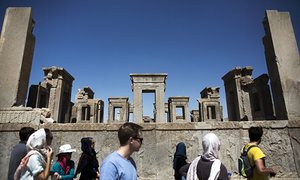
Tourists at the Tachara Palace in Persepolis. Photograph: Behrouz Mehri/AFP/Getty Images
Earlier this month, Unesco added two more ancient sites – Susa archaeological mounds and the stunning Meymand village – the 18th and 19th sites on Iran’s world heritage list. The country was a popular destination for visitors until the 1979 Islamic revolution, and hosted world luminaries such as Andy Warhol, violinist Yehudi Menuhin and choreographer Maurice Béjart.
Iran, which was a Zoroastrian country before Islam arrived, is home to some of the world’s most magnificent historical and archaeological sites with ancient ruins, glittering mosques and spectacular landscapes. Relics of a proud ancient civilisation include: Persepolis, the capital of the largest empire that the world has ever seen; the city of Isfahan; Shiraz, the city of love and poetry; and Hamadan, where Avicenna, the father of early modern medicine, is buried. The capital Tehran is famous for having ski resorts on its doorstep.
Michael Pullman, marketing manager of UK-based tour operator Wild Frontiers , which has been taking western tourists to Iran for the past 10 years, said demands for Iran tours have soared since the nuclear deal was reached earlier this week. He also said that since 2013 demand to visit Iran has increased significantly, and last year the tour operator, which specialises in small, tailor-made group tours, took 150 people. He expects that number to increase by 30% this year.
“When relations started to thaw between Iran and the west, suddenly people felt safe to go,” said Pullman. “It had been branded as part of the ‘axis of evil’ by George Bush, which didn’t help things, and it’s taken time for Iran to rid itself of the label.”
The reactions from westerners visiting Iran is remarkable, he added: “They all come back unanimously saying it’s their ‘new’ country. The sites are one thing – there’s just stunning Islamic architecture and ancient sites, such as Persopolis – but everyone seems to agree that it’s the people that are the biggest surprise.”
David McGuinness from Travel The Unknown, echoed Pullman: “When Rouhani got elected, it made a sea-change difference in terms of bookings. Immediately we saw a rise in bookings for Iran, it suddenly became one of our most popular destinations.” His company, which took 100 people to Iran last year, has already planned several other tours – two classic and archeology tours in September and four more in October, including off-the-beaten-track tours.
But is Iran safe to visit? McGuinness said: “The country is very safe, I have travelled there myself five or six times over the last two years and we have never had any problems with anybody. Iran is probably the most friendly, most welcoming country I’ve ever been in.”
Pullman agreed: “I felt very safe. With what’s going on at the moment with Isis, if you look at the countries surrounding Iran, such as Syria and Iraq, they are unsafe but Iran is quite a strictly-controlled country, it’s 90% Shia and there’s no kind of Sunni-Shia friction. You feel safe walking in the streets, I felt safer there than I do in most places in London.”
One big disappointment is that the British foreign office (FCO) still advises against all but essential travel to Iran. “FCO still advises against travelling to Iran but we feel it’s perfectly safe and that seems to be more of an issue with the fact that there’s no British embassy in Tehran, rather than any particular threat,” said Pullman. Wild Frontiers works with an insurer who provides cover for its clients as standard insurance policies are not valid while FCO advice against travel is in place.
The FCO announced on 15 July that it was planning to reopen its embassy in Tehran by the end of this year. “When that happens and the FCO lifts its advice, the demand will increase further, in fact it will go to the roof,” said Pullman.
Pullman visited Iran last year and noted that: “Iran has an incredibly young population, I think over 60% is under 35; it has a history of being a cultured nation, and very well-educated. It also has one of the highest female university rates anywhere in the world.”
The UAE-based Rotana hotels is planning to open a number of hotels in Iran, and France’s leading hotelier, Accor, is involved in at least two four-star hotels in the country. Iranian officials, looking at neighbouring Turkey with envy, have expressed hope that the country could attract as many as 20 million visitors a year by 2025.
https://kalouttour.com/wp-content/uploads/2017/01/66984f11-a398-4bb1-ab28-d6b047323dfa-2060x1236.jpeg00adminhttps://kalouttour.com/wp-content/uploads/2017/08/kalout-300x225-80x80.pngadmin2017-01-24 16:54:502017-03-13 13:41:21Tourism to Iran set to rise sharply after nuclear deal | Travel
The cost of Iran travel before the end of the Iranian year (March 20), according to an Iranian legislator. Member of the Iranian parliament Seyyed Hadi Roumiani said that by giving Iran’s cultural heritage, craft and tourism organization (ICHO) full control over the country’s tourist affairs, travel costs will be reduced and there will be less confusion.
The Iranian Parliament recently adopted a measure which gave the organization the sole supervisory function. “Businesses in the tourism sector have yet to know who they have to answer, because a number of companies have had a say about how things should be done in the sector, but we’ve eliminated that now,” he told Tasnim.
The legislator said this will help “bring stability” and reduce confusion so I MEET measures to reduce travel expenses.
Roumiani said travel organizers do not have to get approval from various organizations to design a Reiseroute, such as “ICH-approved”. He argued that this allows operators to get the best tour packages they can at affordable prices since there is less bureaucracy. The legislator said he expected ecotourism to be the first to see a visible drop in prices.
“A person should be able to travel with peace of mind and not worry about costs,” added Roumiani.
https://kalouttour.com/wp-content/uploads/2017/08/kalout-300x225-80x80.png00adminhttps://kalouttour.com/wp-content/uploads/2017/08/kalout-300x225-80x80.pngadmin2017-01-24 14:52:462017-03-13 13:41:41Visiting Iran Will Become Even Cheaper: MP
Iran’s tourist attractions introduced in 2017 Skylines magazine
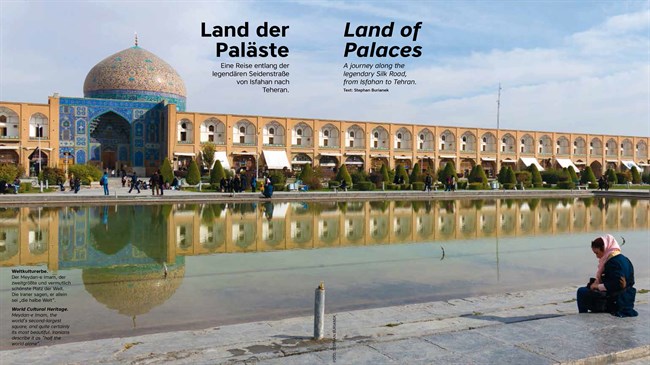
The Austrian flight magazine Skylines, which was published six times a year, introduced the tourist attractions of Iran in its first edition of 2017.
According to IRNA, the content of this edition provides observations from newspaper journalist Stephan Burianek during a six-day visit to Iran.
The title of the report is “A Journey Along the Legendary Silk Road from Isfahan to Tehran”, which describes the attractions of Isfahan, Kashan and Tehran.
A large photo of the Imam Square in Isfahan illustrates the magazine: “This place, the most beautiful historical in Iran and the second largest world square, belongs to the Safavid era. “Imam Square lined with arcades is surrounded by buildings from the Safavid era and is considered the second-largest square in the world (after the Tiananmen Square in Beijing), but is incomparably more beautiful and not just by reputation.”
In another part of the magazine the Abbasi Hotel in Isfahan is mentioned as one of the most beautiful hotels in the world.
The report mentions Borujerdi House in Kashan, which was built in the 19th century, whose stucco work and frescoes show international influences, from Europe to Asia.
Tehran is the last city whose attractions are described in the Austrian magazine. Tehran Grand Bazaar, cultural centers including Golestan Palace, Vahdat Hall, University of Tehran and the surrounding bookshops are briefly featured in the report.
https://kalouttour.com/wp-content/uploads/2017/08/kalout-300x225-80x80.png00adminhttps://kalouttour.com/wp-content/uploads/2017/08/kalout-300x225-80x80.pngadmin2017-01-24 14:46:462017-03-13 13:42:07Iran’s tourist attractions introduced in 2017 Skylines magazine
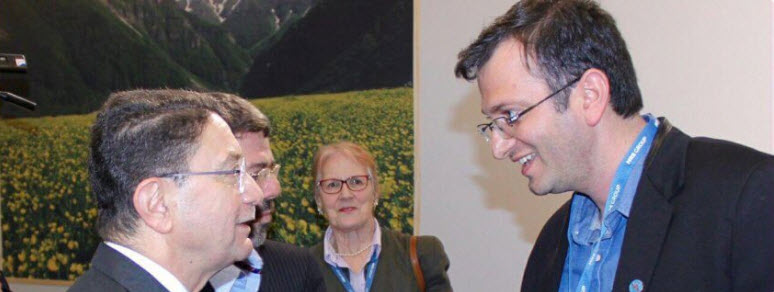
We hereby inform you that Sir. Taleb Rifai, General Secretary of the World Tourism Organization, will participate in the 2018 World Federation of Tourist Guide Association (WFTGA) Conventions. It should be mentioned that it is the fulfillment of the demand of the “Iranian Association of Tour Guides Association” (IFTGA), at the same time to support the “Iranian Cultural Heritage, the Arts and Tourism Organization” (ICHTO). We are rightly proud that Sir. Taleb Rifai is one of the speakers at the opening ceremony of the WFTGA 2017 Convention.