
Iran tour with Wild Frontiers: review
By: Nick Boulos
This 15-day tour of southern Iran takes the most iconic destinations in the country, a handful of the World Cultural Heritage sites and some unknown places. It begins and ends in the capital Tehran – travel by bus. The group size was 11 (maximum 12), which mostly consisted of single travelers aged 50 and over.
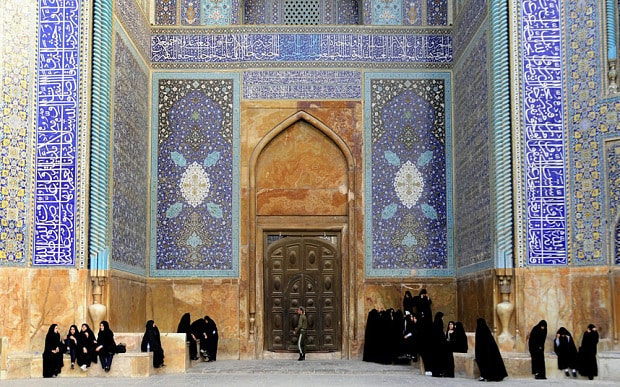 |
| Iran is home to some of the world’s most magnificent examples of Islamic architecture |
Telegraph expert’s overall rating: 7/10
A wonderful introduction to this fascinating and misunderstood country, this tour ticks all the boxes: history through the bucketload, places of cultural importance and epic panoramas.
There is also a nice flexibility to accommodate spontaneous detours with plenty of opportunities to interact with locals. Nothing more is done to dispel the prejudices that plague this warm and welcoming country.
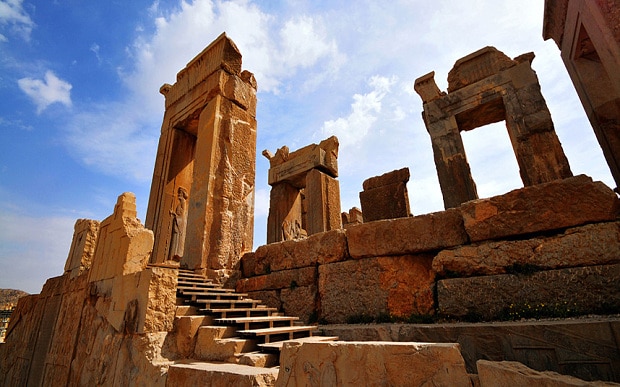 |
| Persepolis’s famed ancient ruins |
Itinerary: 8/10
A good blend of classic and dark, this tour shows the diversity of Iran. Among the highlights are the legendary cities of Isfahan and Shiraz and the ancient ruins of Persepolis, which once stood in the heart of the Persian Empire. There is countryside and nature, with a day hike in the remote Dena mountains and an unforgettable afternoon with the nomads of the Bavanat Valley.
 |
|
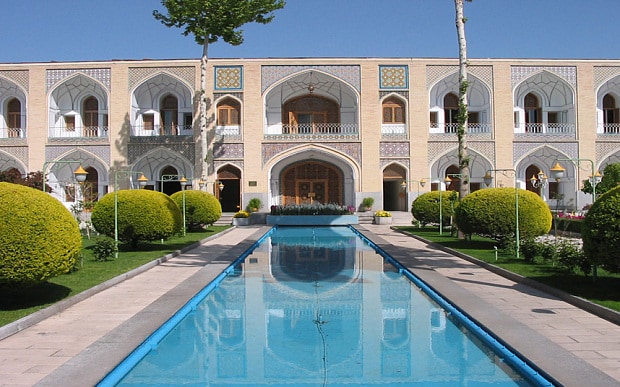
Built at the time of Sultan Husayn of Safavid around 300 years ago, Abbasi Hotel has been restored to its former
glory
|
Accommodation: 5/10
Do not expect much in the way of luxury. Most of the mid-range hotels on this trip are clean and comfortable, but rather tired and in urgent need of TLC. All offer free Wi-Fi – although quality is very different. Be sure to pack your own toiletries.
The landmark Abbasi hotel in Isfahan is the upscale property on the tour and is considered one of the best in the country, presumably because of its lovely courtyard and teahouse. Located in Yazd, the Dad Hotel is a 19th-century former caravanserai and has a rooftop restaurant. The quirky three star Hotel Abyaneh in the rural village of the same name is overloaded with eccentric trinkets. The lobby is the home of two talkative parrots. The four other four sights are recommended, but well located.
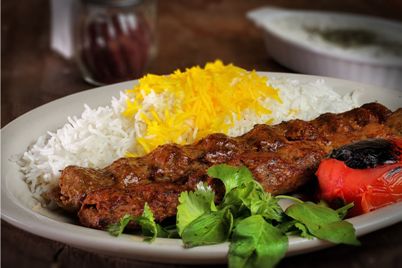 |
| Iran is the land of kebabs but Iranian cuisine is much more diverse, |
Dining: 6/10
All meals are included on this tour, which is both a blessing and a curse. Since it is impossible to get an a la carte menu proved disappointing, as the menu selection in most restaurants, especially since Persian food is often considered one of the best kitchens in the world. On most occasions the dinner was repeated: chicken and lamb kebabs, sometimes trout, served with salad and rice. Several portions were ordered and shared between the group, but not always of sufficient quantity to satisfy all.
Sometimes there were also ways to try more elaborate dishes like fesenjan, a thick chicken pot with walnuts and pomegranates. On the travel days, picnic lunches were served with tuna fish, cheese and freshly baked “dimple” -sangak bread.
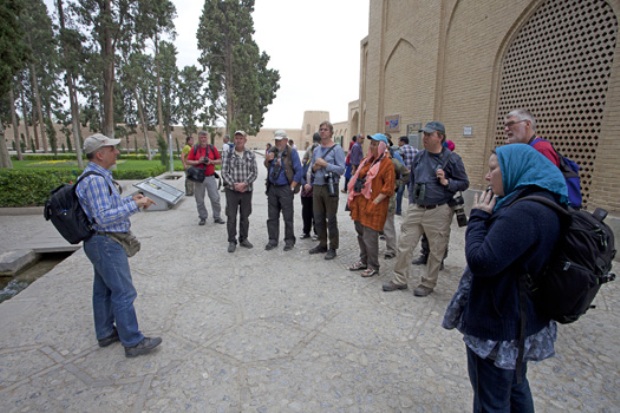 |
| Iran guides: Intelligent , Knowledgeable and affable |
Tour manager and guides: 9/10
This tour had both a tour guide and tour guide. Jake Cooke – an experienced, organized and approaching tour guide originally from Great Britain, now living in Cambodia – was responsible for logistics. In Iran, however, his knowledge of the country was limited.
The true star of the show was our guide, a Tehran born leader who speaks fluent English (as well as French and, of course, Farsi). Engaged and very knowledgeable – both about the complex history of Persia and modern Iran – He provided insights with warmth and humor.
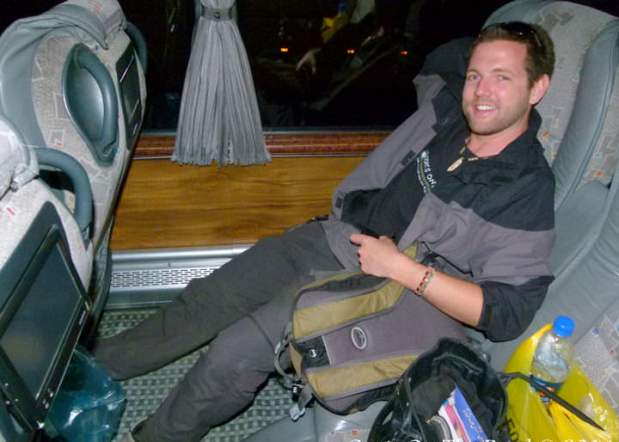 |
| Iran buses comfortable and spacious with welcoming drivers |
Transport: 8/10
Flights are not included, but can be arranged by the organizer. Those who have chosen to fly from London Heathrow, Gatwick and Manchester to Teheran via Doha with Qatar Airways and were supported by the tour guide on arrival and departure. With only 13 on board the 30-seater coach meant everyone had plenty of space. Drives between each city ranged from four to seven hours, with regular tea and toilet breaks.
Value for Money: 7/10
With a price of £ 2.995 (only land), including all accommodation, meals and entry fees, this tour offers good value for money. The cost of an Iranian visa (about 200 €) is not included, but once there are only cinnamon tea, shovel saffron ice cream and the obligatory purchase of a souvenir Persteppich.
Mesmerizing Mosque Ceilings That Highlight The Wonders Of Islamic Architecture
Architectural history in Iran, back to more than 7500 years ago.In Iranian building the ceiling has an important role specially the Islamic monuments which has religious function.
In mosques , the ceiling is a corridor to closing the sky,thus it has been an important part of mosques and was always regarded br architects.
Mosques in Iran are known for some of the most exquisite architectural designs found around the world.
Since it packs so many incredible eye candies in any place of worship, we have decided to devote a place completely to mosque ceilings. Here are pictures of some of the most incredible mosques found in Iran, and elsewhere around the world. Prepare yourself!
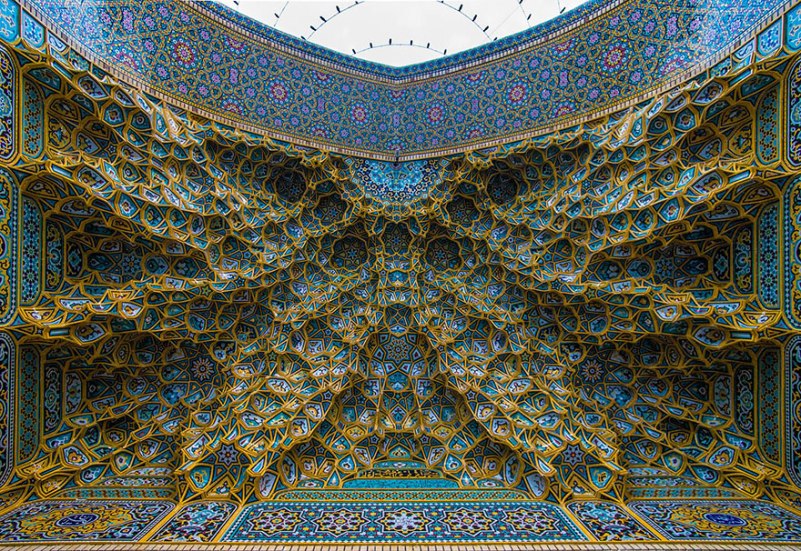 |
| Mesmerizing Mosque Ceilings That Highlight The Wonders Of Islamic Architecture Fatima Masumeh Shrine Qom |
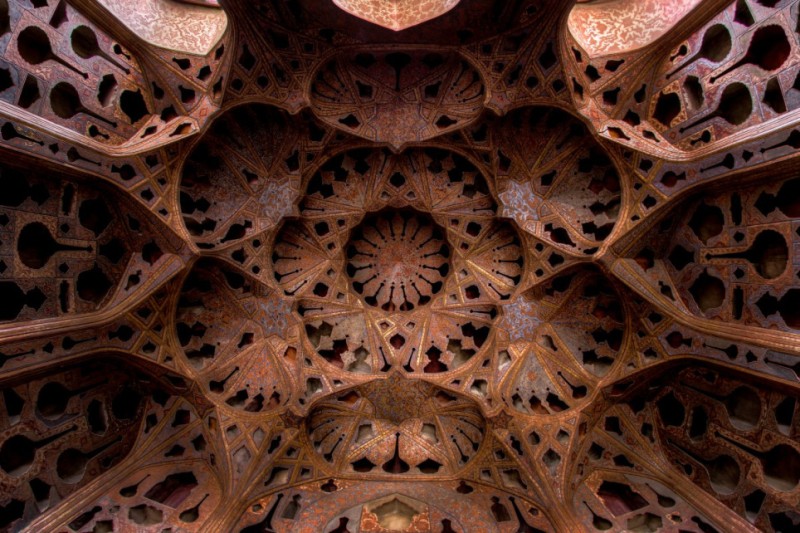 |
| The most magnificent palaces of 17th century is located. The Ali Qapu palace is well-known palace all over Iran. The first part of palace was built in 1597. It was used as a residential palace. Shah Abbas the great, ordered to construct the palace on the site of palace and garden from the Timurid time. |
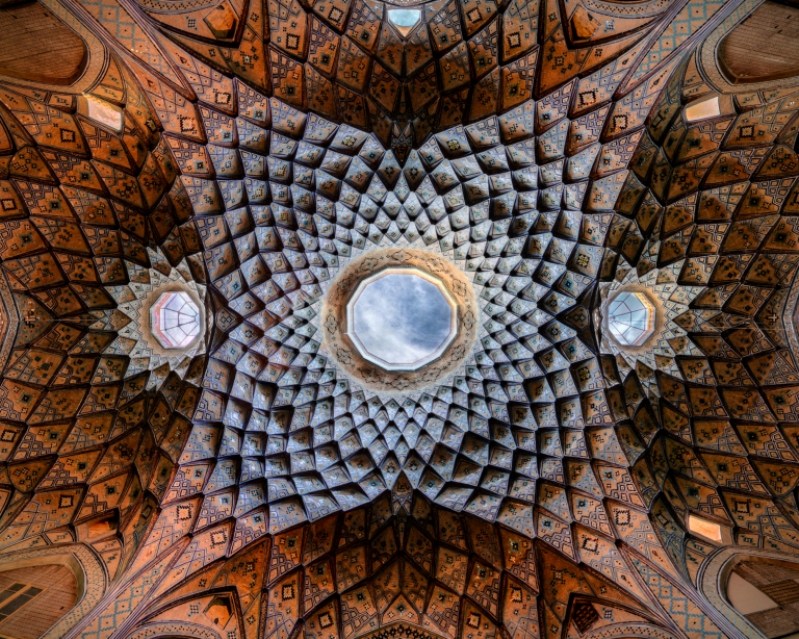 |
| The Bazaar of Kashan is an old bazaar in the center of the city of Kashan, Iran. It is thought to have been built in the Seljuk era with renovations during the Safavid period.The bazaar has a famous architecture, especially at its Timche-ye Amin od-Dowleh section, where a grand light well was built in the 19th century. |
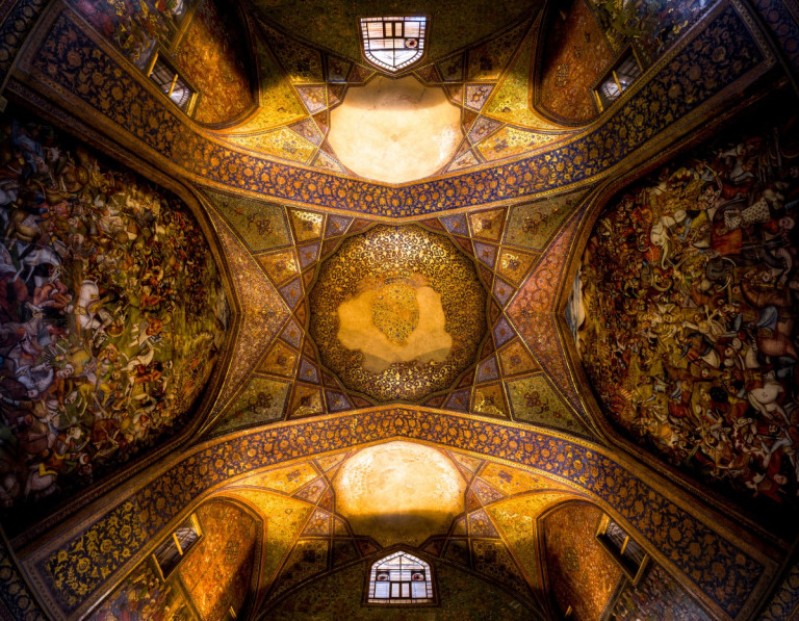 |
| The palace of Chehel Sotun (palace of 40 pillars) is located in a vast beautiful garden. The original garden was larger than now. The present garden is 60000 square meters.The first part of palace was built during Shah Abbas the great period. The beautiful frontal porch and the mirror ornamented Eivan were built during Shah Abbas the second era. |
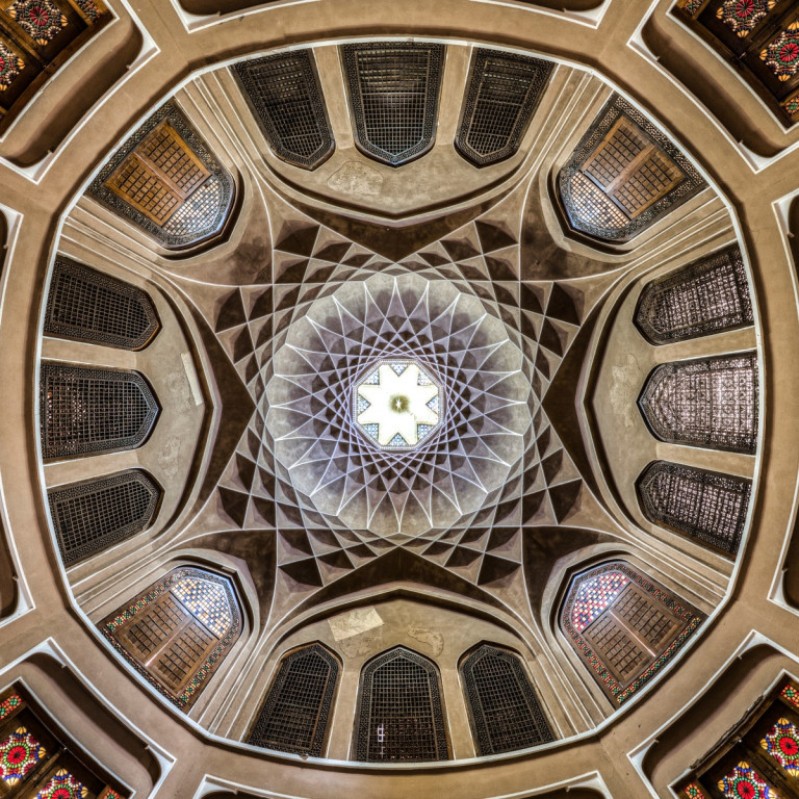 |
| The Dowlatabad Garden located in Yazd, central Iran, is a Persian architecture jewels.The Garden is an authentic Iranian garden that annually attracts thousands of domestic and foreign tourists.This is a complex built according to the original Iranian architectural style and consists of a large garden and some buildings. |
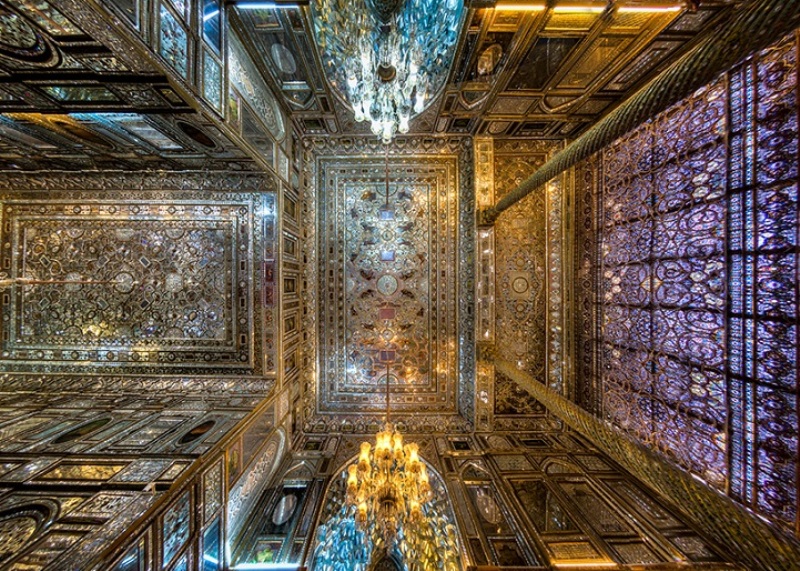 |
| Golestan Palace is the oldest of the historic monuments in Tehran, a world heritage,the Golestan Palace (also Gulistan Palace) (The Rose Garden Palace) belongs to a group of royal buildings that were once enclosed within the mud-thatched walls of Tehran’s Historic Arg (citadel). |
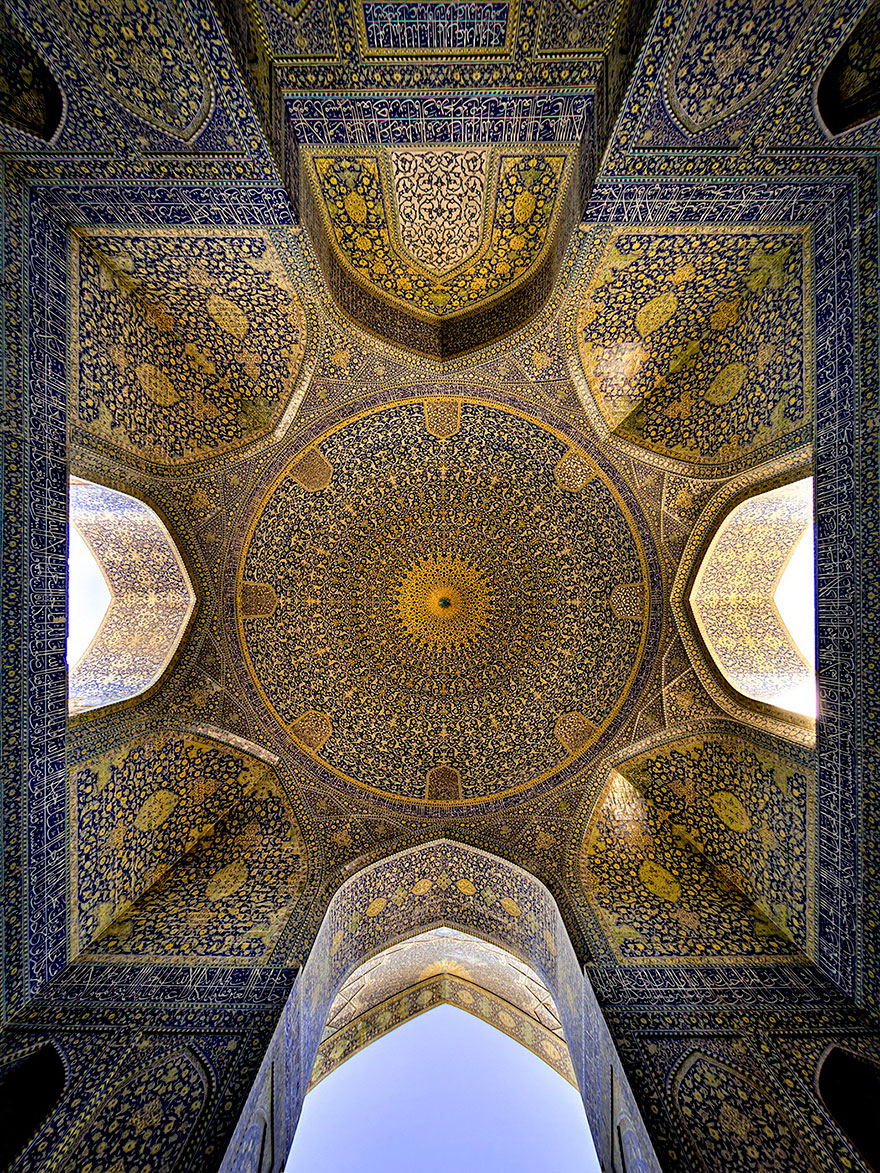 |
| Imam Mosque built during the Safavids period, it is an excellent example of Islamic architecture of Iran, and regarded as the masterpiece of Persian Architecture. The Imam Mosque of Esfahan is one of the everlasting masterpieces of architecture in Iran and all over the world. It is registered along with the Naghsh-i Jahan Square as a UNESCO World Heritage Site. |
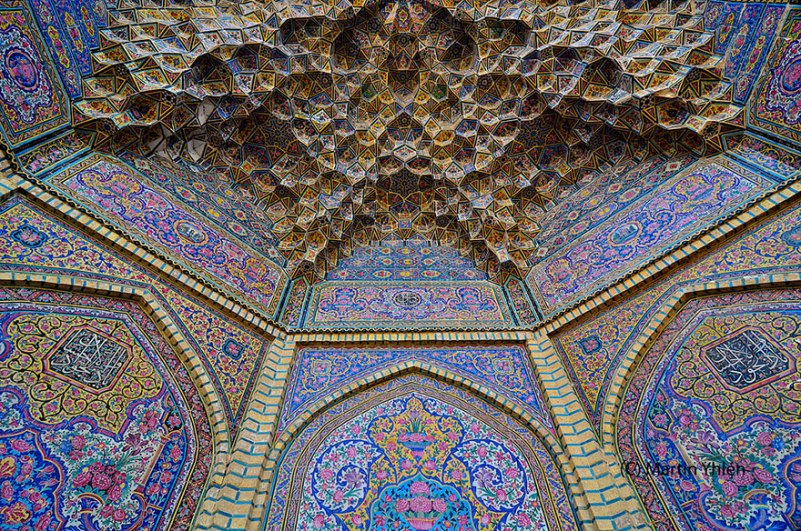 |
| This mosque is situated at the end of the Lotfali Khan-e-Zand Street. Nasirol Molk who was one of the elite of Shiraz, is the founder of this mosque. This mosque is unique for its tile work and architecture. The construction work of mosque began in 1293 AH. and was finally terminated in 1305 AH., by Mohammad Hassan Me’mar and Mohammad Reza Kashi Paz Shirazi . |
 |
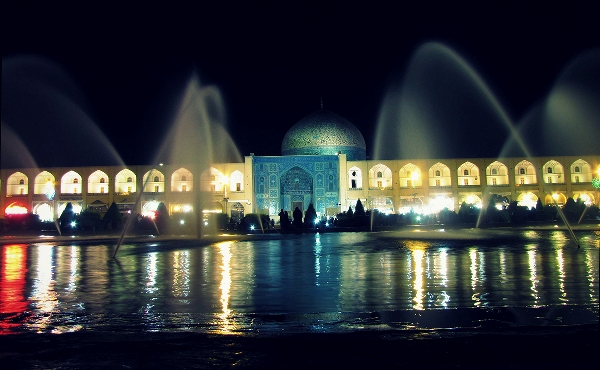
| Sheikh Lotf Allah Mosque is one of the architectural masterpieces of Safavid Iranian architecture, standing on the eastern side of Naghsh-i Jahan Square, Isfahan, Iran.Construction of the mosque started in 1615 and was finished in 1618. It was built by Shah Abbas I of the Safavid dynasty. The builing functioned as a prayer hall and lecture hall. |
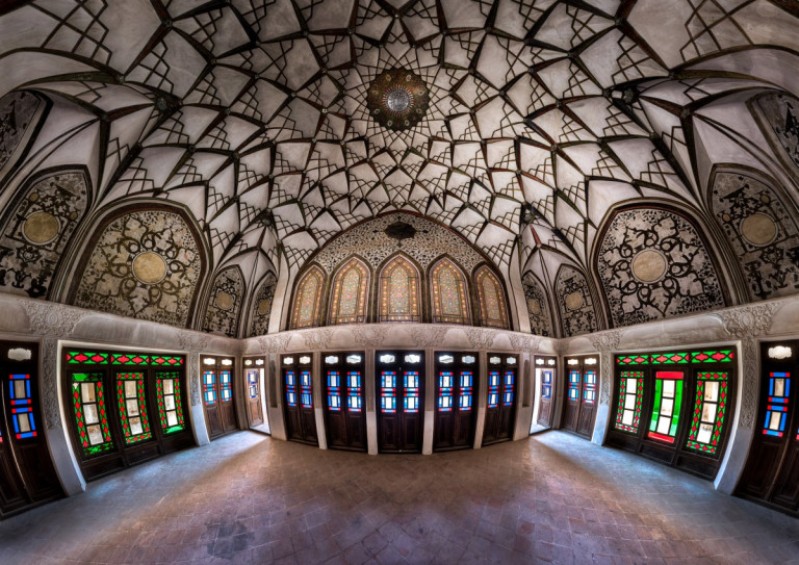 |
| Tabatabai House,This house was constructed in 1881. It originally comprised two separate buildings, elaborately integrated into a single structure. The most important sections of the house are located along its southern wing. This side is marked by a graceful veranda. |
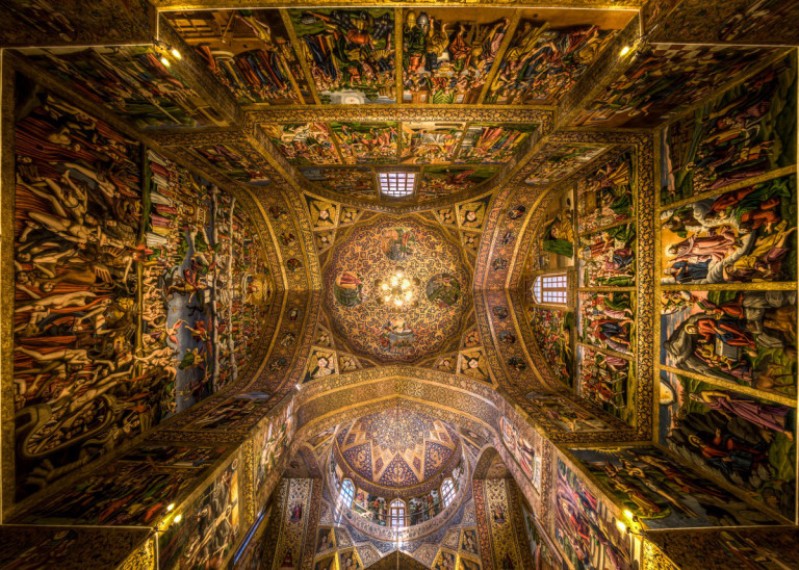 |
| Holy Savior Cathedral also known as Vank Cathedral and The Church of the Saintly Sisters, is the most visited cathedral in Isfahan, Iran. Vank means “cathedral” in the Armenian language. Among the churches built in the Jolfa District of Isfahan, the magnificent and architecturally significant “Vank” Cathedral is the most famous. |
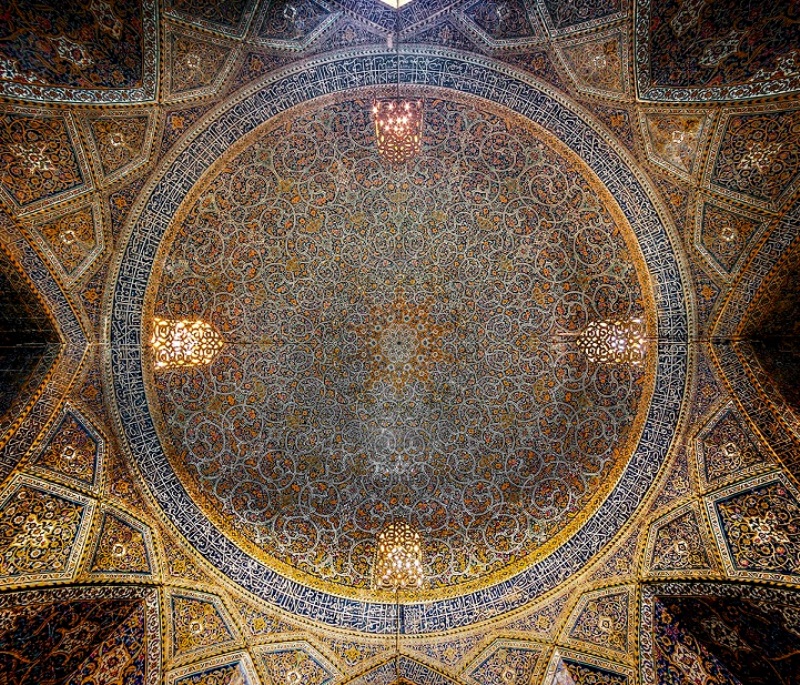 |
| Seyyed mosque is the biggest and the most famous mosque from the Qajar era in Isfahan. It was founded by Seyyed Mohammad Bagher Shafti, one of the most famous clergymen in Isfahan. It was founded in the middle of the 19th century, but its tiling lasted until the end of the century. |
Iran Hotel & Tourism Investment Conference prepares for debut
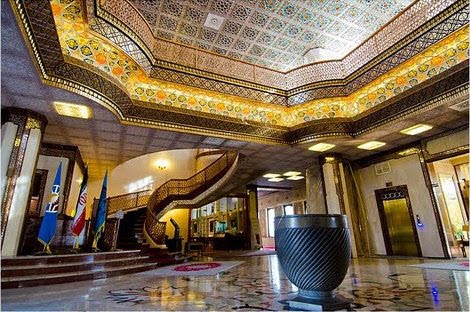 |
More than 300 industry leaders will be gathering at the opening Iran Hotel & Tourism Investment Conference this week.
Zahra Ahmadipour, vice president or Iran and leader of the country’s cultural heritage, crafts and tourism organization, will open the conference alongside Ahmad Jamali, director general for foreign investment at the Ministry of Economics and Finance.
Two days of panel discussions and leading ideas from leading industry experts will follow, along with a unique opportunity to hear the views of the political leaders first hand and to network opportunities with prominent investors, developers and operators.
According to the latest euromonitor report – Travel in Iran – the country is the new emerging tourist destination and is expected to become the leading tourism market in the MENA region, provided that the infrastructure is capable of developing and managing change.
President Hassan Rouhani is determined to promote tourism and promote foreign investment, and the Iran Tourism Organization is working on this hand in hand with local communities to attract more investors.
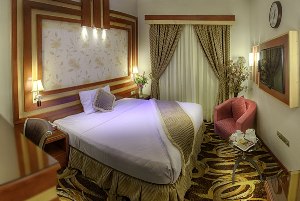 |
A growing number of investors are watching the opportunities in Iran, but there are still regulatory and bureaucratic hurdles in the process.
Saeed Shirkavand, deputy of Iran Tourism, will be on the scene next week to present investment opportunities in Iran.
Jonathan Worsley, chairman of Bench Events and founder of IHTIC, commented: “The conference is one of the most influential meetings in the region, on the challenges and opportunities of the hotel and tourism industry.
“The conference will promote dialogue between the public and private sectors, show project opportunities and access to the market and business in Iran.”
The Iran Hotel & Tourism Investment Conference will take place from 7 to 8 February at the Parsian Evin Hotel in Tehran.
Iran displays ancient Persian artifacts returned from the US
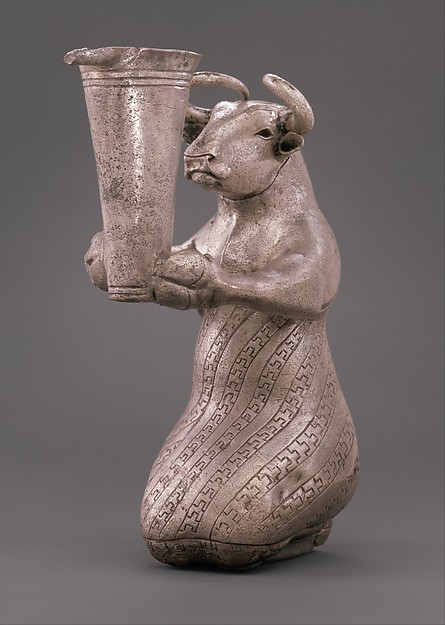 |
Iran displays hundreds of ancient and Persian artefacts, some of which are up to 3,500 years old, all of which have recently come from museums and collections in Western countries.
Mohammad Hassan Talebian, deputy head of the Cultural Heritage, Handicrafts and Tourism Organization of Iran, told The Associated Press that all of the items on display were repatriated over the past two and a half years from England, Belgium, Italy and the United States.
He credits the improved relations between Tehran and the West after the 2015 border crossing to enable the process.
“The atmosphere after the nuclear deal was very important,” said Talebian. “It made it easy to bring all these items back home.”
The special exhibition opened on Monday in the National Museum of Tehran shows 558 different artifacts.
These include hunting tools and stitching needles from the Iron Age and a pair of necklaces dating back more than 2000 years to the Achaemenid Empire of Cyrus the Great – the culmination of Persian rule.
Among the oldest items are dozens of clay bowls, jugs and engravings dating back to 3,500 years, formerly housed in the famous Oriental Institute of the University of Chicago.
Iran and the United States had no diplomatic relations since 1979 when Iranian students stormed the American Embassy and took 52 Americans for 444 days.
The 2015 agreement between Teheran and the world powers limited the Iranian Atoprogram against the abolition of international economic activities.
However, the short thaw in Iranian-American relations can be short-lived. The new US President Donald Trump has strongly criticized the agreement and has already engaged in a war with words with the leadership of Iran, and “Tehran” has been “attentive” to a recent ballistic rocket test.
The items from the University of Chicago had previously been shown on their own in May 2016, but this is a first time that all the elements repatriated by these four countries have been shown together.
Myriam Rahgoshay, an art enthusiast, said that the return of these and thousands of other historical artefacts still abroad is a major impetus to the Iranian national identity.
In the dining room of a remote hotel in Iran’s Alborz Mountains was a locked glass case displaying a solitary English-language book.The Valleys of the Assassins, Freya Stark,” said the hotelier as he unlocked the case, removed the book and turned to the page of a hand-drawn map. He pointed to our location. “You know Freya Stark? She came here in 1930. English lady, like you.” I nodded. She was one of the reasons for my journey.
“I think you are Freya Stark – but on motorcycle!” he declared as he carefully returned the book and locked the cabinet door. It seemed like a lot of reverence for a 10-quid paperback, but the book has immortalised this valley and his village.
I was motorcycling through the Alborz as part of a longer ride around Iran. My journey would take me more than 3,000 miles from the Turkish border to the southern deserts. I had long been an admirer of the British explorer and author and her forays into 1930s Persia, which she approached with a gung-ho attitude not normally associated with the serious geographical expeditions of the era. Most of all, I liked that she was entirely unpretentious about her motivation. “For my own part I travel single-mindedly, for fun,” she said.
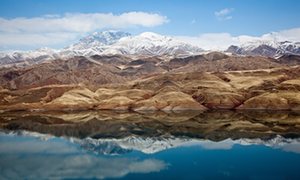
Stark had walked this same route I was riding more than 80 years earlier, tackling dangerous terrain and doubting locals in order to map what was then uncharted territory. She was on a mission to discover the ruins of Alamut Fortress, headquarters of the ancient Ismaili sect, better known as the Hashashin, who had terrorised this region in the 11th century.
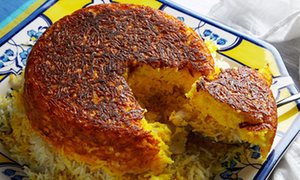
Even today, the steep-sided mountain roads of the Alborz have a lonely, forbidding feel, but here, and throughout Iran, I would find myself approached at the roadside by complete strangers who would invite me to stay at their homes. The feeding would begin as soon as I walked through the door – plates of fresh melon, sweets and nuts served with tea – always tea. Meals of flatbread and yogurt dips followed by stews, on piles of Persian tahdig rice – crisped on the bottom of the pan and drenched in butter. I asked one man about Iranian hospitality. “People must look after each other,” he told me, with a serious expression. “No matter what religion we are.”
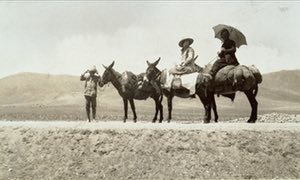
Although I set off on this journey carrying my camping gear, my tent remained unpitched. With each host, I was passed on to their friends and relatives throughout the country, all seemingly happy to host a strange British woman on a motorcycle. Occasionally I would crave the anonymity of a hotel room. In larger towns there was always a small guesthouse where I could relax.
Although the southern slopes of the Alborz are close enough to Tehran to offer ski-resorts and hiking trails, in the more isolated valleys the weather can change quickly and navigation becomes challenging. But for a motorcyclist on a trail bike, the Alborz are a paradise of dirt tracks and waterfalls, where eagles circle high above jagged black rock and snow-capped peaks.
Stark encountered her share of obstacles when she set out to explore this region, but it was a different set of challenges to those a British woman faces today, travelling alone in the Islamic Republic of Iran. In the 1930s Persia was ruled by the secular Reza Shah, who was actively modernising the country, including emancipating the female population – to the extent of banning the hijab. The British presence also remained powerful, running Iran’s oil industry, railways and telecommunications.
Eight decades, one MI6-backed coup and an Islamic revolution later, it remains a challenge for a solo British woman to enter Iran, especially on a motorcycle – a form of transport outlawed for Iranian women. But after some interrogation, fingerprinting and a little skulduggery on my part, I made it across the border. Like so many Brits before me, my fascination soon turned into full-blown Persophilia. The sheer otherness of Iran is enchanting – wandering through the 15th-century bazaar in Tabriz, piled high with saffron, gold and carpets, or exploring the ruins of Persepolis, the seat of Persia’s ancient kings.
A guidebook will point you to the glittering mosques, palaces and ancient gardens, but Iran’s standout attraction is its people. Travelling by motorcycle made for easy icebreaking, but on my few excursions by public transport I experienced the same eager hospitality and appetite for spirited conversation, laughter and human connection.
I made my journey in 2013 and the following year Iran forbade British citizens from travelling independently, so the only way to go was with an authorised tour or guide. Last year the British embassy in Tehran reopened and travel restrictions were lifted, making Iran more accessible than it has been for years. I have returned to Iran each year since my first trip and its allure never dulls. The deeper I dig, the more intrigued and enamoured I become. If you have a chance to see Iran, take it. I am so glad I did.
“We will defeat the global isolating forces”: WTO’s head
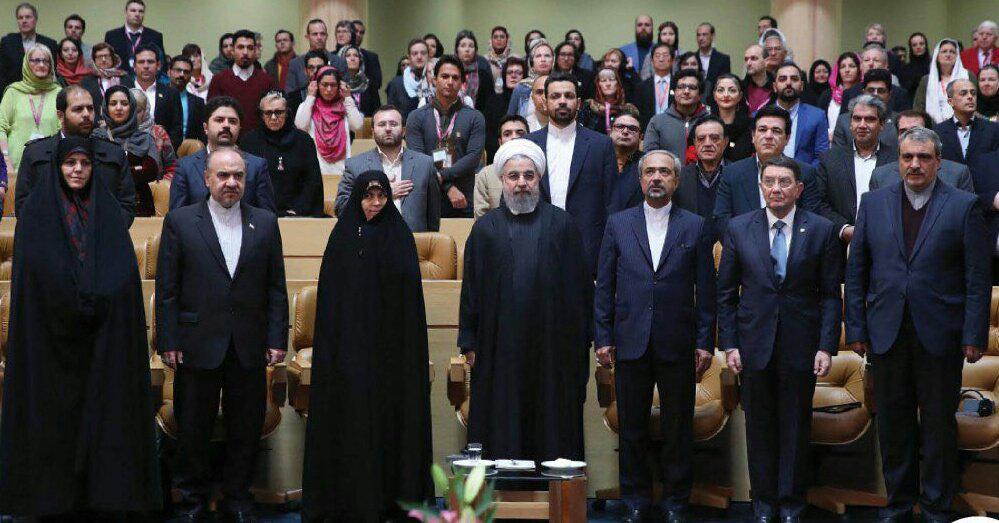 |
Tehran (ISNA) – World Tourism Organization Secretary General Taleb Rifai said Saturday, the forces that wanted to isolate people, darkness and ban the journey of people would be defeated.
“No country wants to build a wall and isolate itself.” We come together to build a bridge and welcome open borders to people from all over the world, “said Rifai at the 17th World Federation of Tourist Guides Association (WFTGA) International Convention Tehran. “We should recognize the differences between people, and in every position, our goal should be to make the world better.”
His remarks came after the new US President Donald Trump ordered the construction of a US-Mexican border wall and restricted access to refugees and visitors from Muslim majority countries.
In his speech, Rifai referred to Iran and said, “Iran is a country with a rich culture and a beautiful nature.” Tehran is an extraordinary city, and when you think of Iran and Teheran, amazing images come to mind. “
“Iran is a rich country. It is better for every traveler to be familiar with its culture, people, mosques, crafts and delicious food.”
Iran Hotel & Tourism Investment Conference (IHTIC)
IHTIC will attract an international audience of senior figures and decision-makers involved in all aspects of hotel and tourism investment in Iran. The conference will focus on hotel development and tourism attraction in Iran. Join us in Tehran and hear from the regions industry experts on the opportunities available in the region, find out what lessons they have learnt about doing business in the country and how they have overcome development and operational challenges. Find out how government is stimulating foreign investment into the country, what incentives and projects are available.
Foreign tourist arrivals fetches Iran $24b in 3.5 years: official
 |
TEHRAN – In the past three and a half years, about 24 billion dollars came to Iran because of foreign tourists, said deputy director of the Croatian Cultural Heritage, Tourism and Handicrafts Organization (CHTHO), Morteza Rahmani-Movahhed, on Monday.
More than 16 million foreign tourists visited the country during the mentioned period, ISNA quoted him, so to speak.
Each traveler has therefore spent $ 1,500 on average in the country, explained Rahmani-Movahhedd.
At the International Meeting Center in Tehran, the official took part in a ceremony to mark the World Tour Day, one day ahead of its specific date.
He also placed great value on the domestic tourism industry and said the government was trying to expand infrastructure for domestic travel.
Rahmani-Movahhed said that tourism has officially named the JCPOA Joint Action Plan (JCPOA) among the few sectors that reflect the positive effects of the Atomic Energy Convention.
In July 2015, Iran and the 5 + 1 group – the USA, Great Britain, France, China and Russia, as well as Germany – finalized the text of the JCPOA in Vienna.
Meanwhile, the official interpreted the motto of World Tourism Day: “Tourism for all, all for tourism,” hoping that the tourism industry in Iran will continue its progress in the coming years.
In August 2015, Iran extended visa upon arrival for foreign tourists from 15 days to 30 days.
CHTHO Director Masoud Soltanifar said the easing of visa rules opened the door for the return of foreign tourists to Iran.
In 2014, the country hosted more than five million tourists, bringing in some $ 7.5 billion sales. In addition, last year’s official figures the number of incoming tourists to more than 5.2 million, the production of more than 8 billion dollars.
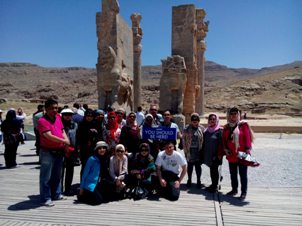
The undated photo provided by Irantravelingcenter.com shows travelers visiting the ruins of Persepolis adjacent to the southern Iranian city of Shiraz. The UNESCO World Cultural Heritage was once the ceremonial capital of the Achaemenid Empire (550-330 BC).
Germany, Italy and France send most tourists to Iran
 |
TEHRAN – Most of the tourists applying for the visa to visit Iran come from Germany, Italy and France, the head of the Iranian travel association Ebrahim Pourfaraj said on Thursday.
“Not taking into account religious tourists [visit sacred shrines], Europeans rank first among the tourists who visit the country,” he said.
The number of foreign tourists visiting Iran was doubled in January 2016, according to the Atomic Convention.
Earlier this month, the Ministry of Cultural Heritage, Tourism and Trades Organization Masoud Soltanifar announced that Iran has increased its visa on arrival from 1 month to 3 months.
For the time being, citizens of 190 countries can obtain a visa upon arrival at the airports of the country, with one month validation, he added.
In October 2015, Soltanifar said the easing of visa rules was the door to the return of foreign tourists to Iran.
The number of foreigners visiting Iran has grown by 12 per cent in the last two years.
In 2014, Iran hosted more than five million tourists and generated revenues of $ 7.5 billion.