Iran, Switzerland Opt for Broadening Mutual Cooperation
TEHRAN (FNA)- Senior Iranian and Swiss officials in a meeting in Bern on Tuesday underlined the need for the further expansion of relations between the two countries.

During the meeting in Switzerland’s capital today, Deputy Head of Iran’s Trade Promotion Organization Sadeq Ziayee Bigdeli and Director General of International Cooperation from Swiss Ministry of Economy Ms. Julia Levi explored avenues for reinvigorating and bolstering of bilateral ties.

The two sides reviewed the latest status of economic ties and the projects available for joint venture investment in Iran.

Ziayee Bigdeli and Levi exchanged views on Iran’s possible membership in the World Trade Organization and the convention on intellectual property rights.

Bigdeli pointed to the improved economic indices in Iran and said Iran would be an important market for Swiss companies to have access to 80 million population market of Iran and the several hundred million markets of regional countries.

Levi, for her part, said that the Swiss government welcomes implementation of Joint Comprehensive Plan of Action.

She expressed pleasure with resumption of banking ties between the two countries to cover trade interactions and declared her country’s readiness to support Iran to join WTO and the convention on intellectual property rights as well.

Regular consultations on economic ties between Iran and Switzerland was initiated upon a roadmap drawn by Swiss president during his visit to Iran in February 2016.

In relevant remarks in late February, Swiss President Johann Schneider-Ammann said his country supports Iran’s membership at key international economic and trade organizations.

“Iran should join the multilateral economic organizations to develop and grow. We support Iran’s membership bid,” Schneider-Ammann said in a meeting at Tehran’s Chamber of Commerce.

Noting that he is accompanied with representatives of 40 Swiss companies, Schneider-Ammann asked his Iranian counterpart Hassan Rouhani to bring 400 Iranian traders to Bern in his future visit, given the fact that Iran has a bigger population than Switzerland.

He referred to the current trade ties, and said, “The removal of sanctions will pave the way for Iran’s economic development. Some 140 trade delegations from different countries have visited Iran before and after the nuclear deal to find market and trade opportunities.”

Schneider-Ammann said the two sides could now cooperate in various fields, such as industry, tourism, medicine, and water resources.

“In addition to the trade delegation, a scientific and research group is accompanying me to cement ties with their Iranian partners,” he noted.

Halal tourism: a growing trend for Muslim travellers
Hotels are the choice places to stay for those travelling to different countries. Some Muslims may not be bothered by seeing beer stocked in their hotel room’s fridge or that there may or may not be separate swimming pools for men and women. However, for others, it is a concern that they must face when booking a room which is why a new movement has emerged in halal tourism.


Halal, which refers to Islamic rules that deem what is permissible and what is not, is a term that has just recently become associated with tourism.

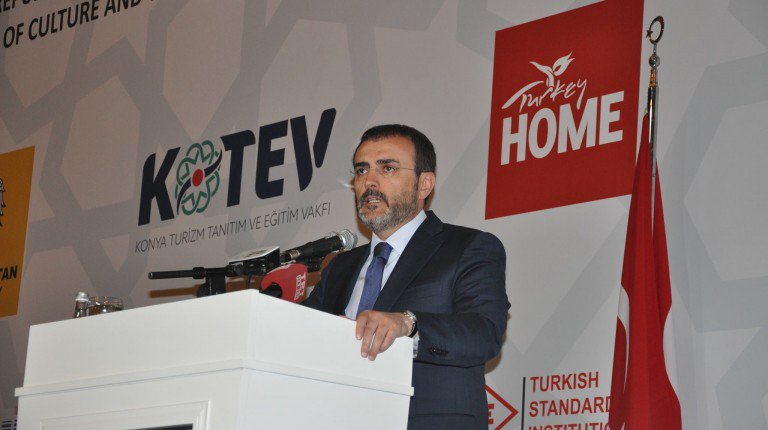
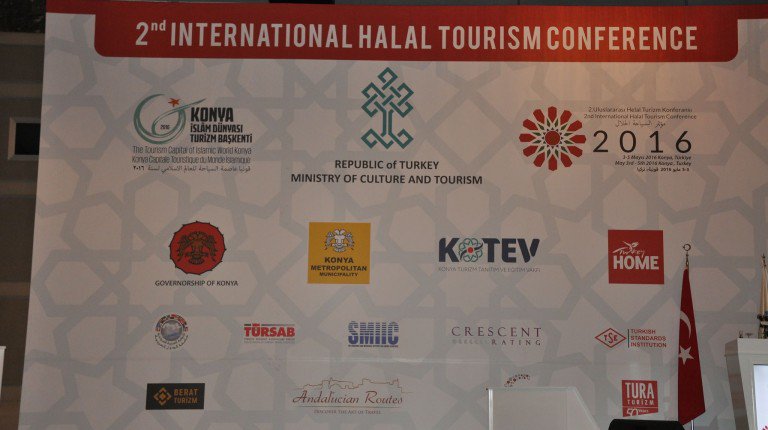
Earlier this month, the second international halal tourism conference was held in Konya, Turkey. In December 2015, the Islamic Conference of Tourism Ministers announced Konya to be the capital of Islamic tourism for 2016.

Halal tourism is a concept developed due to the high demands among Muslim tourists travelling for business or leisure that need to adhere to the requirements of halal. This includes an assortment of things, such as hotels serving halal-only food and no alcohol, private beaches and swimming pools for women, conservative uniforms for the working staff, and for rooms to be equipped probably with what Muslims need in order to perform their daily prayers.

Although the requirements are not that complicated, there is a significant shortage in halal-friendly hotels in almost all touristic destinations, including in the Middle East and Muslim countries.

Turkey’s minister of culture and tourism Mahir Ünal officially opened the world’s biggest international halal tourism conference in Konya. The two-day conference was titled “Developing Halal Tourism Industries” with the aim of shaping the future of a sector currently worth $150bn.

The event featured a number of high profile guests from across the globe, including Bandar Fahad Al-Fehaid, a delegate from the Arab Tourism Organisation of the Arab League, Irfan Onal, the director general of Turkey’s Ministry of Tourism, Tahir Akyurek, the mayor of Konya, and Muammer Erol, the governor of Konya.


Hundreds of delegates from over 30 countries with over 110 buyers attended the conference, including the UAE, Saudi Arabia, Iran, Croatia, Singapore, UK, USA, Malaysia, Indonesia, South Africa, Kuwait, and Qatar. This is in addition to the attendance of tourism boards, travel agencies, tour operators, and hotels and airlines that attended the opening day of the conference, which brought together some of the world’s leading names in the travel industry.
The opening day featured a number of keynote speeches on topics such as “Technology and its benefits to halal tourism” and “Muslim traveller’s needs”, along with panel discussions and workshops.

At the conference, Onal said: “We are delighted to host this conference on this historic day. As a minister of tourism, I will continue to support this kind of tourism and our aim as a tourism destination is targeting 50 million tourists into the country. We would like to thank the delegates who have come to this event and have shown how we can all grow together.”

Al-Fehaid said: “We are delighted to be part of a global conference and representing the Middle East. An event like this is very important and shows how we can unite the world through tourism.”
Alongside the conference, there is also a three-day exhibition featuring businesses from across the world.

Onal told the audience at the conference: “Our target is to reach 15 million Muslims by 2020. Our tourism has been greatly affected by terrorism. We lost 12% or our revenue. We are working hard to make people feel safe again and we want to announce that Turkey is a safe country so we can have all tourists return. We want to promote new destinations like Konya, Azmier, and the Turkish Riviera, and introduce new types of tourism. One of them is the halal tourism industry. Now we have over 40 hotels in Turkey, and in the government we are dedicating three different ministries working together to reach more than 100 hotels across the country in 2017. Turkey, being a cultural centre in the heart of Europe, has the potential to increase its share of halal tourism and become a pioneer in the industry.”

A recent study has revealed that in 2015 the estimated number of Muslim tourists were 117 million, representing close to 10% of the entire travel economy. This is forecasted to grow to 168 million visitors by 2020 and 11% of the market segment with a market value projected to exceed $200 billion.

This is the second time the event is being held in Europe, following the success of the inaugural event in Andalucía, Spain.

Comparing the first and second halal tourism conference, organiser Domah, from CM Media based in UK, said: “This year we have worked to evolve the conference from where it was in terms of the content. We have developed the content from just an introduction to more of a developmental strategy providing people with more information of the needs of the Muslim traveller, and what we are able to do to help them with the type of the delegates we choose. We aim to bring the halal industry forward and thankfully it is growing year by year.”

Domah added: “We chose Turkey this year, because of what Turkey has to offer in terms of heritage and history and the important role that turkey has to play in the halal tourism industry. They have halal resorts and they were one of the first countries along with the UAE and Malaysia to start working with that concept and created the standard to provide more for the Muslim traveller. We aim to hold the conference annually. We want to showcase as many destinations as possible. I also don’t think it is a good idea to showcase in only Muslim countries, because it won’t be helping our cause. We want to start bringing people together, make Muslims travel to new worlds and explore new cultures, because in Islam we are told to live in this world as if we are travellers.”

Persian Gulf Marine Tourism: Neglected Opportunities
Despite covering most of the northern coasts of the Persian Gulf (not to mention a fair portion of the Sea of Oman), Iran has only just started to tap into its potential for marine tourism, hoping to claim a stake in the lucrative marine tourism sector.
After months of negotiations, Iranian officials launched a cruise shipping line between Khasab in Oman and Qeshm Island earlier this year for Omani tourists, allowing them visa-free entry to the key Persian Gulf Island, CHTN reported.
The emirate of Dubai in the UAE aims to attract over 1 million marine tourists by 2020. According to local officials, all relevant bodies are coordinated to help facilitate the entry of tourists via cruise ships. It has so far increased the number of its cruise ships by 22%, which has helped increase the number of sea passengers by a whopping 33% last year to 500,000.
Dubai’s Port Rashid is the number one cruise terminal in the MENA region, in terms of traffic and infrastructure, according to Sultan Ahmed bin Sulayem, chairman of the emirate’s Ports, Customs and Free Zone Corporation.
“Our goal now is to go all out and make the passenger-friendly facility the best in the world. To that end, we have joined hands with all authorities present at the port, including Dubai Customs, the General Directorate of Residency and Foreigners Affairs, and Dubai Police to deliver expedited, top-notch services to cruise tourists,” he said.
Qatar is also preparing to take full advantage of Iran’s inertia and has set the goal of making its capital, Doha, a key marine destination in the Persian Gulf by mid-2017.
It is also adding 30 new cruise ships to its small fleet this winter, which means a 300% growth in the tiny Arab nation’s fleet of cruise ships.


why staying at a caranavserai is a must do in iran?!
by Matin

I could almost hear the hustle and bustle of the merchants selling their goods, bargaining on prices and depicting their long lived journey to one another while their horses and camels chew on hay and dried up plants and stock up the much needed water.

Here we are, on the Silk Road, at one of the 999 caravanserais the Persian king Shah Abbas built to shelter and provide food and safety to merchants, traders, travelers and pilgrims.

why staying at a caranavserai is a must do in iran?!

My last experience of sleeping in caravanserai went to years back and to the desert of Maranjab. It was winter, cold and there were hardly any facilities. We brushed our teeth with unbearable salty water and showers were not a thing. Nevertheless we made a huge fire, chatted, laughed and read poetry as the sky covered us with a starry blanket.

After days of traveling, a full day on the road and dreadfully needing to sleep I was a bit skeptical about staying at another caravanserai. Little did I know that I was in for another sleepless night and one indescribable experience!

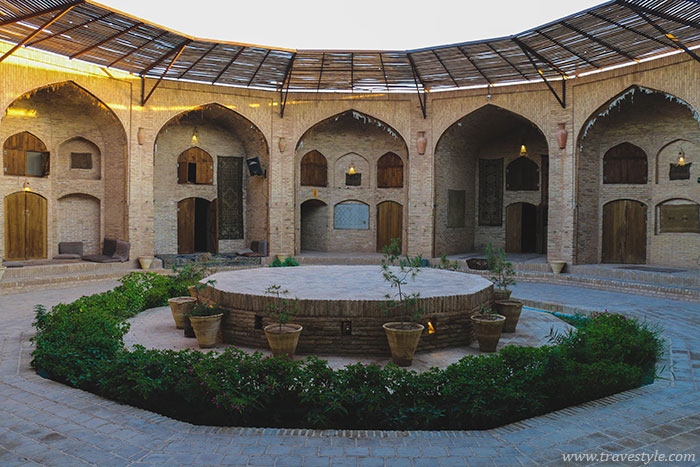
Caravanserai of Zeinodin is one of two rounded caravanserais of Iran built in the 16th century. It is charmingly renovated, tastefully decorated and was given the UNESCO award for best renovated building in 2006.

As we approached the golden fort structure with its 5 watch towers, we were granted with a huge wooden door. Once inside and we were all in awe!!

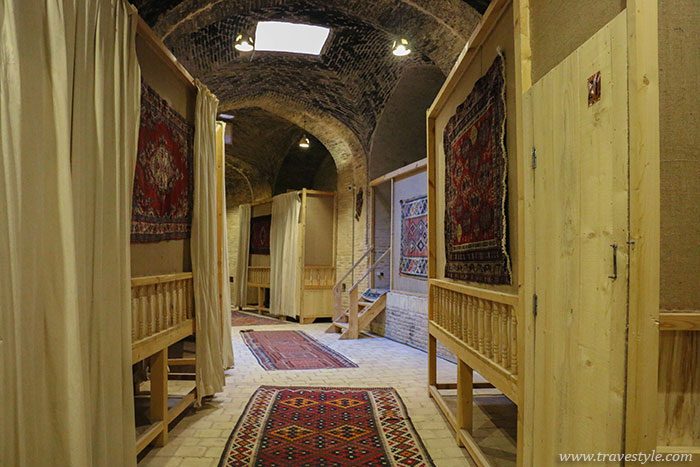
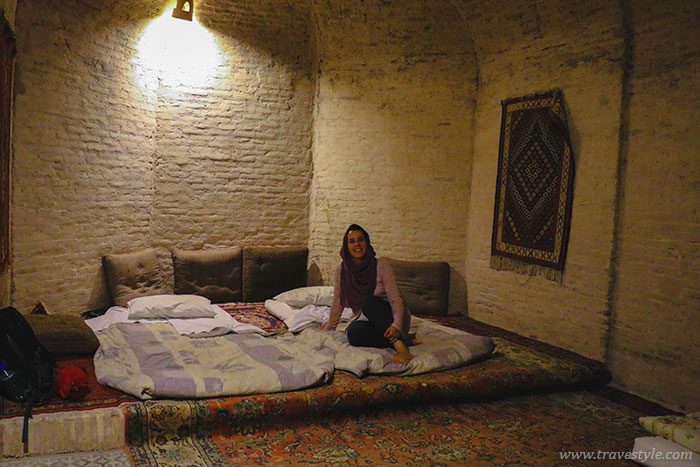
Following the round shaped interior walls, narrow rooms are built on wooden platforms. Some with wooden doors and others with just a thick curtain separating them from the corridor. Thick Persian carpets cover the floors and decorate the walls. A clean, yet thin mattress, pillows and blankets are provided. Everything is delightfully made to evoke the feeling of a Silk Road travel .

why staying at a caranavserai is a must do in iran?!

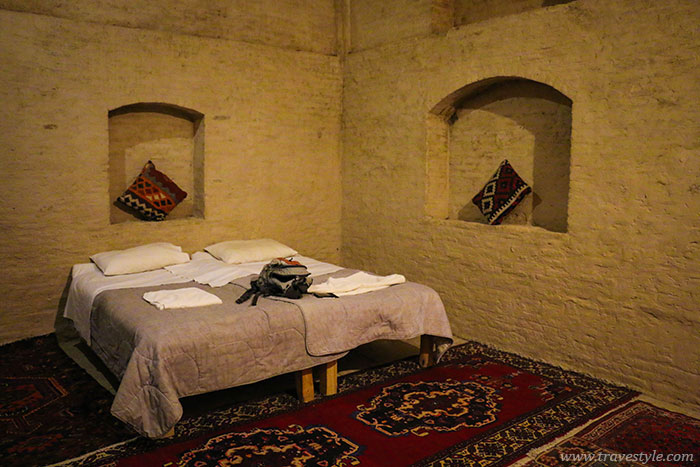
There are two types of rooms. Smaller ones inside along the main corridor and other spacious ones opening to the courtyard which come with beds.

why staying at a caranavserai is a must do in iran?!

Just as we were settled into our rooms we headed for the courtyard right in the middle of the building adorned with plant pots. Here’s were all the travelers would have gathered, shared travel tales and chattered the night away.

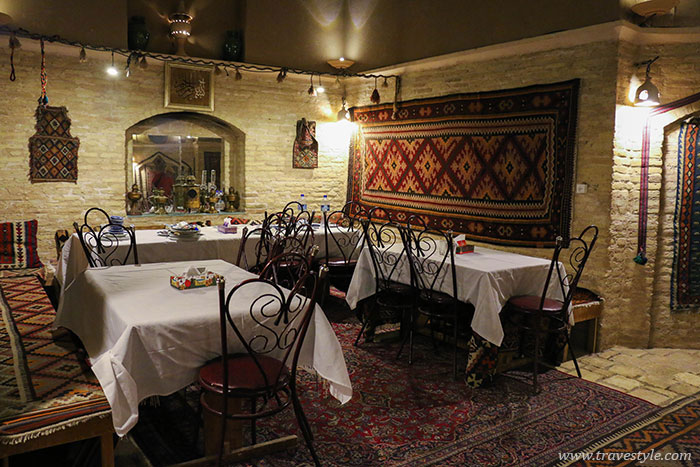
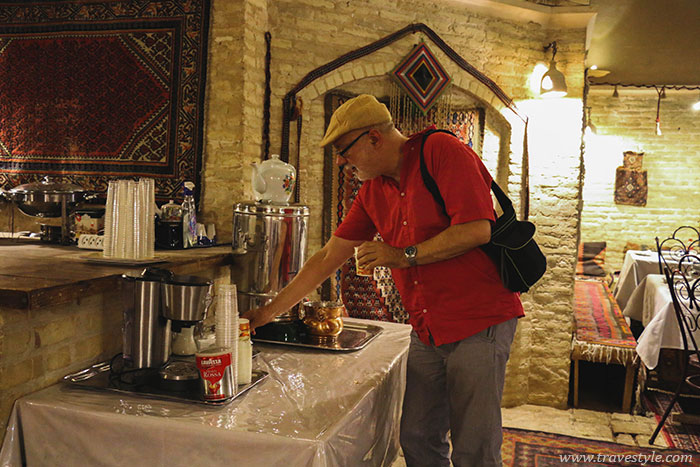
As we heard the wafting aroma of the delicious meal being cooked in the kitchen, our bellies started grumbling. It was soon time for dinner and we were welcomed with a buffet consisting of an extensive array of delectable Persian foods, salads and desserts.

why staying at a caranavserai is a must do in iran?!

After filling our bellies with ethnic delicacies the men from the Baluchi tribe of Iran who are running this place offered a dance show from their region for 10.000 Tomans (Almost 3€) each. It’s not something I recommend really. I had seen a Baluchi dance before and these guys didn’t seem anything professional.

why staying at a caranavserai is a must do in iran?!

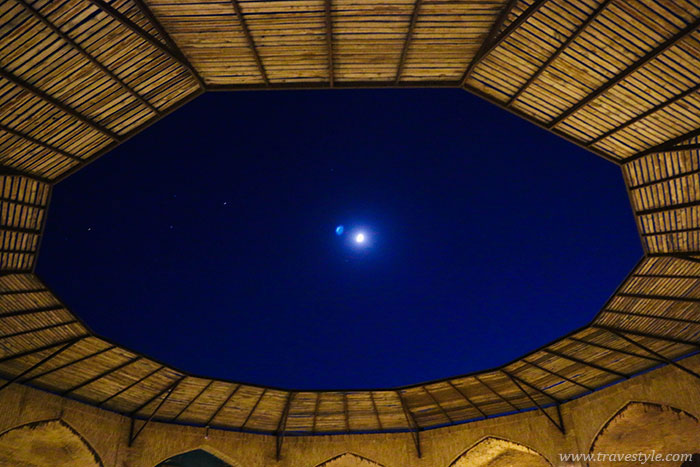
The night was here to stay and so were we. We headed to the rooftop where we could feel the serenity of the desert night and locked our eyes to a sky packed with glistening stars. There was nothing but darkness and a light breeze brushing our cheeks and swaying our hair. Sometimes sounds of the cars and trucks passing the highway would break the silence. It was divine, blissful and indefinable.

A desert night stay always comes with the bonus of a spectacular sunrise. If you’re not a sleepy head and can pluck yourself from your warm blanket right before the golden hour you’re in for a treat and the rooftop views of Zeinodin caravanserai are promising.

why staying at a caranavserai is a must do in iran?!

There’s nothing to be seen from here for miles away. We stayed here only one night before heading to Yazd which was 60km away and I think one night was efficient since the place is extremely remote and there’s not much to do outside.

why staying at a caranavserai is a must do in iran?!

Facts:

#1 There’s not much privacy here and you easily hear people giggling in their rooms and walking in and out all night long. If you’re staying at one of the rooms opening to the courtyard expect a lot of chatting noise. Remember a stay here is an experience by itself. People are here to enjoy the starry night and get overexcited over reliving the Silk Road era. Don’t expect a lot of sleep if you’re sensitive to noise.


Boeing : Iran buying 100 Boeing aircraft


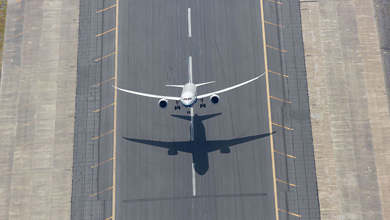
 It’s a deal! The Islamic Republic of Iran is set to buy 100 American-made Boeing civilian airliners for a price tag of almost US$25 billion. The sale, which has been quietly in the works for some months now, can be directly linked to last summer’s Iran nuclear accord reached in Vienna by the United States and five other powers, which in effect trades Tehran’s presumed nuclear transparency for a lifting of stifling economic sanctions on the Islamic republic. Why am I not surprised?

So here we see the business bottom line to the nuclear accord; opening Iran’s alluring marketplace to the flood of commerce from America, Europe and the Far East. The final step came back in January after the Obama Administration gave a green light to formally lift sanctions on sales to Iran’s civil aviation.

The landmark agreement is the biggest business deal between Iran and the U.S. since 1979 when the Islamic Revolution of Ayatollah Khomeini toppled the reformist rule of the Shah, installing a radical anti-American regime whose heirs remain in power to this day.

The aircraft are slated for the national airline Iran Air, the oldest airline in the Middle East and a once top notch civilian carrier whose fleet has aged and needs serious renovation. Most of the new planes will be short haul 737 and longer haul 777’s. Currently most of Iran Air’s fleet consists of older pre-1980 Boeings and twenty newer but second hand Airbus craft.

Naturally, Chicago-based Boeing adds the usual legal caveat, “Boeing will continue to follow the lead of the U.S. government with regards to working with Iran’s airlines, and any and all contracts with Iran’s airlines will be contingent upon U.S. government approval.” Washington’s Key Objectives

But let’s be frank: opening the lucrative Iranian market, especially the near the U.S. dominated aircraft sales sector, was one of Washington’s key objectives in last year’s nuclear agreement between five permanent members of the U.N. Security Council and Germany, in which the Islamic republic purportedly stopped its nuclear weapons program in return for a lifting of sanctions. The European consortium Airbus also plans to sell planes to Iran.

Why expansion now? Iran Air is now looking to widen its route network beyond the Middle East and Europe to include the U.S., Canada, and Australia. Plans include serving the huge Iranian diaspora which fled after the 1979 revolution and are numerous in California and New York as well as an expected surge of other American tourists, who are expected to visit this ancient land once relations improve. Though there’s a growing potential among Iranian-Americans based on nostalgia, there’s little doubt that Iran Air, which brands itself as “the Airline of the Islamic Republic of Iran,” may need to remake its image at the very least.

Iran Air continued to fly its routes to the U.S. even after the revolution, but service was suspended after Islamic militants seized and trashed the American Embassy in Tehran in November 1979, leading to the subsequent hostage crisis during the Carter Administration.

Not surprisingly, there’s growing opposition to a Boeing deal with the national airline of a state sponsor of global terrorism, a supplier of troops and weapons to the regime side in the Syrian civil war, not to mention a flagrant persecutor of its own people.

Congressman Peter Roskam stated that members of Congress from both Illinois and Washington State where Boeing has its manufacturing facilities nonetheless oppose the deal and will try to block it. “If this moves forward, Boeing and terror will be intertwined,” he stated adamantly.

Congressman Roskam added, “It’s tragic to watch such an ionic American company make such a terribly short-sited decision. If Boeing goes through with this deal, the company will forever be associated with Iran’s chief export: radical Islamic terrorism.” In his “No Dollars for Ayatollahs Act,” introduced by Representative Roskam, the congressman stresses in a statement, “My bill will prevent Iran from accessing U.S. dollars in any manner by imposing a 100-percent excise tax on any transactions which directly or indirectly enable the Islamic Republic to make financial transactions in American currency.”

The U.S. State Department continues to list Iran as a “State Sponsor of Terrorism.”

Naturally, there’s plenty of rationalization in the Obama Administration about creating American jobs and exports never mind assisting what Washington likes to see as a reformist Rohani government in Tehran as trying to open to the West after years of sanctions and isolation.

Yet there’s a touch of irony too for any new Boeings flying to Iran; they will be landing at the Imam Khomeini International Airport in Tehran.


Mideast’s tallest suspension bridge inaugurated in Meshkinshahr
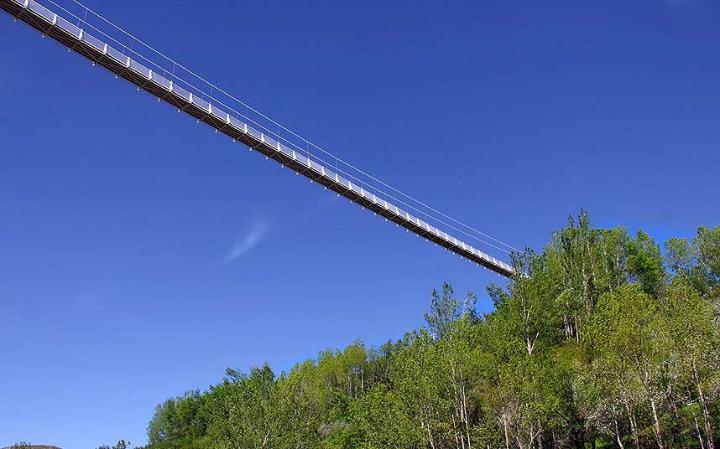
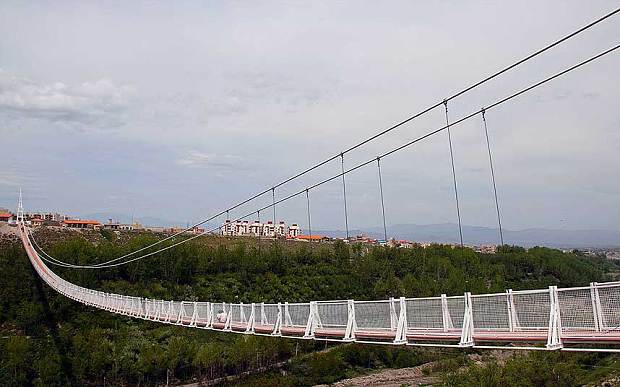
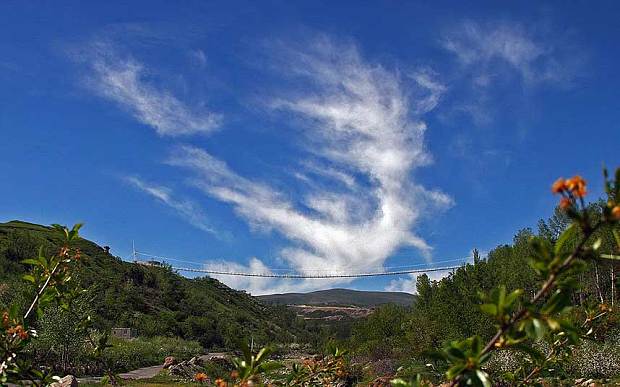
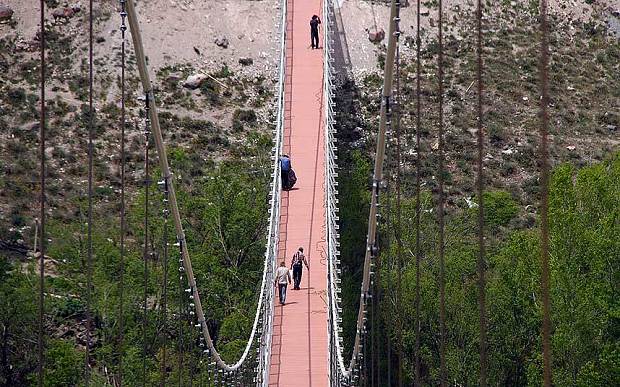
The tallest suspension bridge in the Middle East was inaugurated on Saturday in a ceremony attended by the Head of Iran Cultural Heritage, Handicrafts and Tourism Organization Masoud Soltanifar.

The bridge stands over Khiyo Chaei River in Meshkinshahr,


Tourists can view the beautiful scenery of Sabalan slopes from a height of 80 meters.


It is 325 meters long and two meters wide. The bridge was built in Khiav Tourism Zone at a cost of 400 billion rials.
The Khiyo resort which has been promised to be immediately built around the bridge covers an area equal to 1300 hectares and is the most major tourism project in Ardabil province.


Among amenities the resort will offer are: guest entertainment salons, residential suites, air balloon and other air sports sites, rotating restaurant, handicrafts market, amusement park, and other services and attractions, in addition to offering a magnificent view to the Mount Sabalan from an altitude of 80 meters, which is an exceptional attraction for mountaineers, since in addition to a very beautiful lake at the summit, the Mount Sabalan being a dormant volcano.


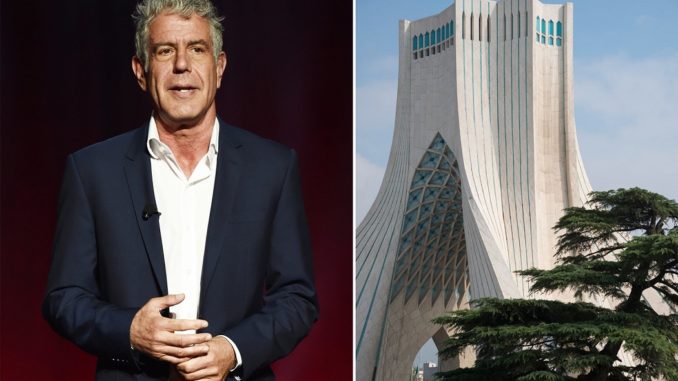
The One Country That Completely Shocked author, and television personality Anthony Bourdain

Travel enthusiast (and chef, author, and television personality) Anthony Bourdain has seen a lot in his adventures across the globe. But that doesn’t mean he can’t still be surprised.


When Travel + Leisure asked Bourdain what off-the-grid destination surprised him the most during his travels, he was quick to respond with Iran.

“I was really knocked sideways by how well we were treated in Iran and how delicious the food was and how hospitable ordinary people were to us,” he told T+L. He echoed this sentiment many times in his Parts Unknown episode to the Middle Eastern country, too.

“Iran does not look, does not feel the way I expected,” Bourdain said upon landing, noting that there’s a “much bigger picture” than what you see on television.

The warmth with which he was greeted by locals was completely unexpected.

“I am so confused,” he admitted. “It wasn’t supposed to be like this.”

Many intrepid travelers are now discovering this beautiful country, which landed on T+L’s list of the year’s best places to travel. Elaborate mosques, contemporary art, the gardens of Shiraz and (as Bourdain would tell you) the food — fluffy saffron rice and meatballs stuffed with eggs — are more accessible than ever thanks to improved relations with the U.S. and new-found political stability.

For more insight from Bourdain — including the one hotel he could spend the rest of his life in (willingly) and the one dish worth traveling for — check out our full interview with him. And if you’ve got Iran on your radar, here’s everything you need to know about visiting the country.

Tehran to host European Iranologists


Tehran will be hosting the Conference of Iranian Studies organized by the Societas Iranologica Europaea of Italy.

The agreement was reached between Carlo Cherti, Italian Cultural Attaché in Iran, and Ghahraman Soleimani, deputy head of the Organization for Cultural and Islamic Relations of Iran during a meeting in Tehran on Tuesday.

The meeting was held following Soleimani’s last week’s trip to Italy where he held talks with a number of cultural and scientific figures, particularly Italian Iranologists, and reached agreements on various cultural cooperation, the most significant of which was the decision to select Tehran as the hosting destination for the SIE conference.

During the meeting on Tuesday, Soleimani called for further cooperation between the two countries in the areas of culture, archeology, and Iranology.

Carlo Cherti, for his part, hailed the good cultural relations with Iran, saying “Italy will be the guest of honor for Tehran International Book Fair 2017, and this will provide both sides with a golden opportunity to further expand cultural cooperation.”

He went on to add that Italy is also keenly interested in cooperating with the Iranian side in art, music, cultural heritage, literature and science and technology.

The two sides also reached agreements on other issues including holding the commemoration ceremony of famous Italian Iranologists, expanding academic cooperation between scientific and research centers, showcasing Persian manuscripts of Italy in Iranian museums, holding training workshops on literary text translations, and developing Italian language and literature courses in higher educational levels in Iran’s universities.

The Societas Iranologica Europaea (S.I.E.), founded in 1983 in Rome, is an international learned society in the field of Iranian Studies with members from European and non-European countries. The aim of the S.I.E. is to promote Ancient, Middle and Modern Iranian Studies in all subject areas of the field, including philology, linguistics, literature, history, religions, art, archaeology, philosophy, ethnology, geography, human sciences, and jurisprudence.


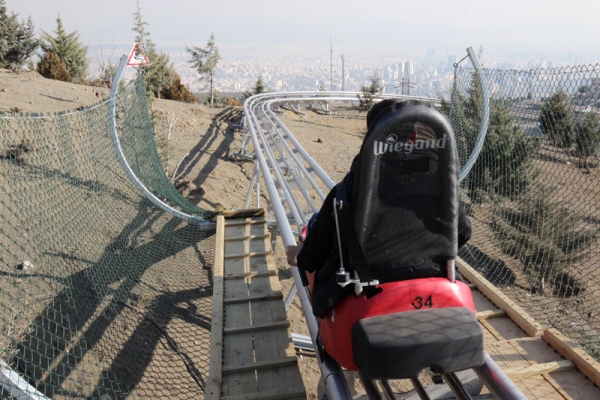
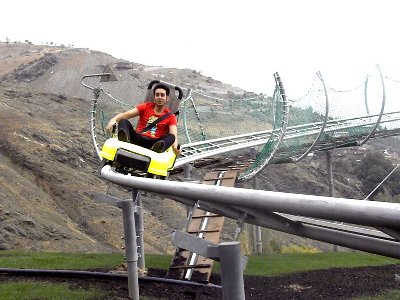
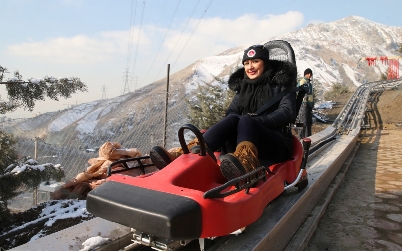
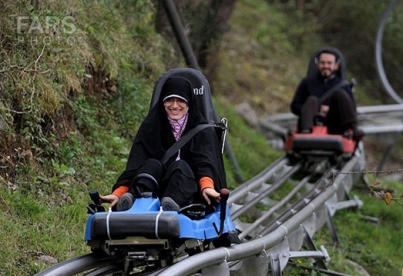
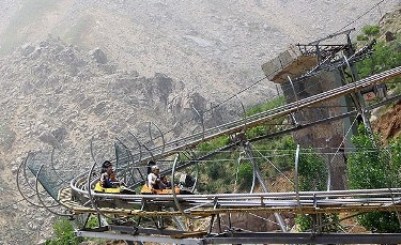
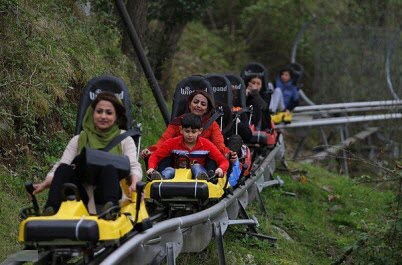
An exciting day with Alpine Coaster
If you are in Tehran for fun or if you are in one of the northern cities of Iran can use the amenities and tourism services.
Alpine Coaster is one of the exciting entertainment that can be used in various Iranian cities.

Golabdare Park,Asadolahi St,Darband St,Tajrish Sq
Tochal Telecabin Co
Namak Abroud,Chalous,Mazandaran Province
Astara,Gilan Province
Talesh,Gilan Province


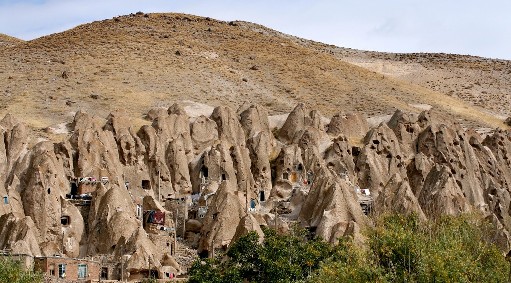
Kandovan  Village Iranian Cappadocia
The  beautiful and historical Kandovan  Village is placed 22 Km from the city  Oskoo and to Kim Tabriz the pyramid-shaped houses of this Village  have rocky architecture. Due to some researches is history dates  back to the seventh hegiras century, some others showed indications of pre-Islamic era in it . The  existence of mineral water, which emanates from the mountain and is used for  kidney diseases, is one the privileges of Kandovan Villasgs . The unique  characteristics of this village alongside with its pleasant and magnificent nature attracts domestic and foreign tourists regardless of the distance .Kandovan  International Hotel is located at side of the stunning village.

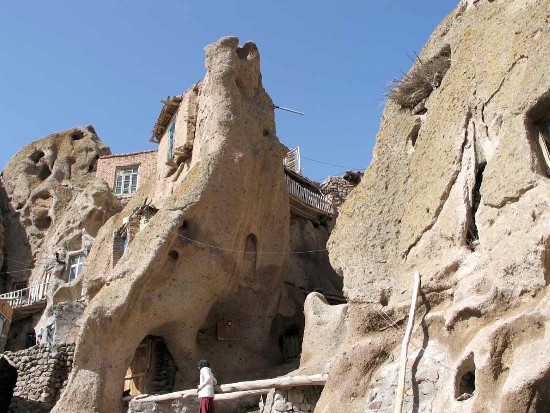
The houses in this beautiful rocky village are not built on the mountain but carved inside the volcanic rocks partially formed by volcanic remains from a strong Mount Sahand eruption hundreds of years ago. The name ‘Kandovan’ is the plural of ‘kandoo’ meaning a bee hive. The houses do indeed look like bee hives as they are all triangular in shape. The village is said to have been built some 700 years ago in the heart of rocks. Locals say it was built as a shelter against Mongols invasion in the 13th century A.D.

Mini Cappadocia
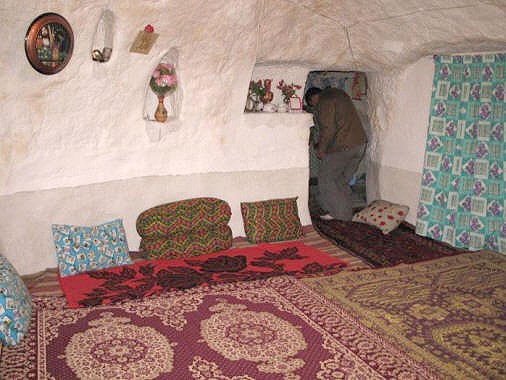
The village is redolent of Cappadocia in Turkey. However, it is far much smaller but more graceful and untapped. What makes Kandovan Village unique is that people are still living in the rocky houses. These cave dwellers are very hospitable and kind.  They may invite you for a tea in their cave-houses!

Memorable Night
Stay overnight and enjoy the tranquility of the village and watch the brilliant twinkling stars. There is an international “rocky” hotel inspired by and connected to the style of the village. You can also spend the night in one of the cave-houses!