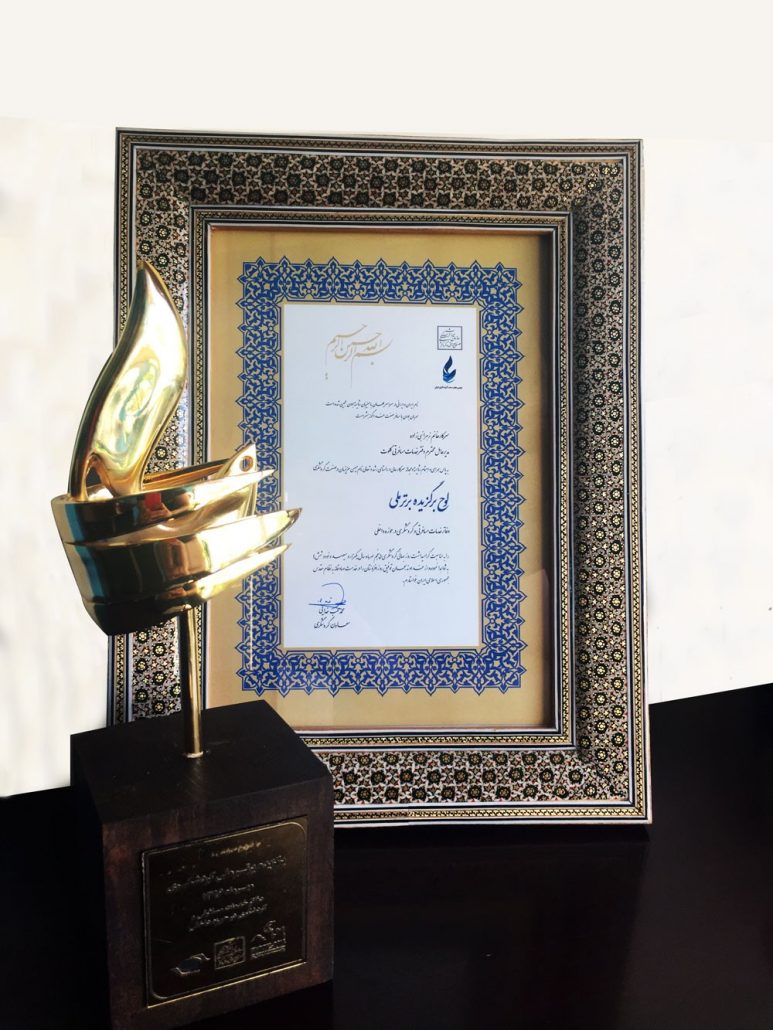
This National Premier Tablet of Domestic Tourism and Travel Agencies awards Kalout as one of the best travel agencies of 2017. The CEO of Kalout Travel, Mrs. Nabizadeh participates in the national ceremony held on the Iran International Tourism Day and receives this award.


Kalout Award

Kalout Award


The name of Iran and Iranians have been entangled with being a competent host; Being kind to travelers is a divine feature of humans.

Dear Ms. Nabizadeh The respectable CEO of Kalout Travel Agency This National Premier Tablet of Domestic Tourism and Travel Agencies is awarded to you on the occasion of celebrating The International Tourism Day, on the fifth of Mehr,1396, for your sufficient and serious efforts in improving and moving the name of our beloved country towards excellency in tourism industry. May God support you on your way towards success in giving faithful service to the holy government of the Islamic Republic of Iran.

Mohammad Moheb Khodaii The Deputy of Tourism


Letter of Appreciation

Letter of Appreciation


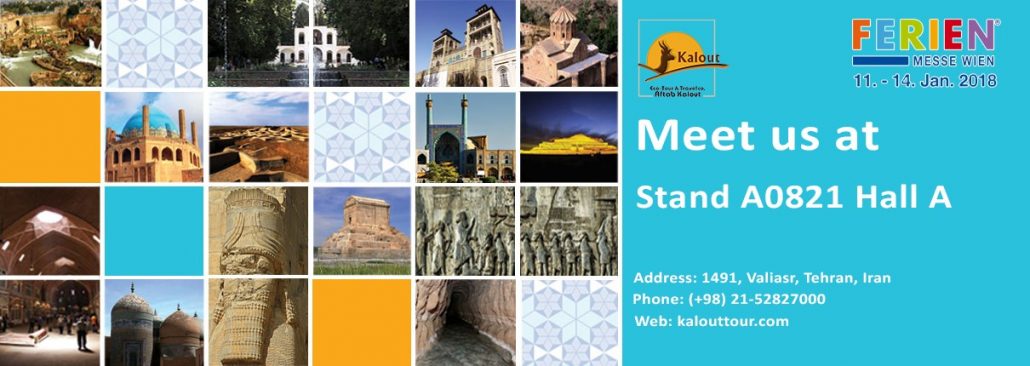
Kalout will attend the most reputable tourism exhibition in Austria Wien.

Kalout would like to invite you to meet us in Hall A, Stand A0821, and it would be a great opportunity for us to discuss the inbound tours for Iran.

Some Facts about the exhibition:

  •  Austria’s largest tourist industry event
  •  Contact with new and potential customers
  •  Large numbers of visitors
  •  The right target group of visitors – great visitor quality
  •  Messe Wien has excellent infrastructure
  •  Benefit from the support of an expert expo team
  •  Pinpoint promotion on all channels
  •  Experience-orientated concept
Ferien messe Wien

Ferien messe Wien

Nishapur meaning “New City of Shapur” is one of the oldest city of Persia dating back to Sassanid Dynasty. It has been the home of great thinkers of Persia. Though Nishapur was demolished and burnt to ground in Mongol Invasion, it raised from ashes again after a while and became an important city in Islamic era. Tourists should not miss visiting Nishapur Highlights while they are passing this beautiful city. Here are some:

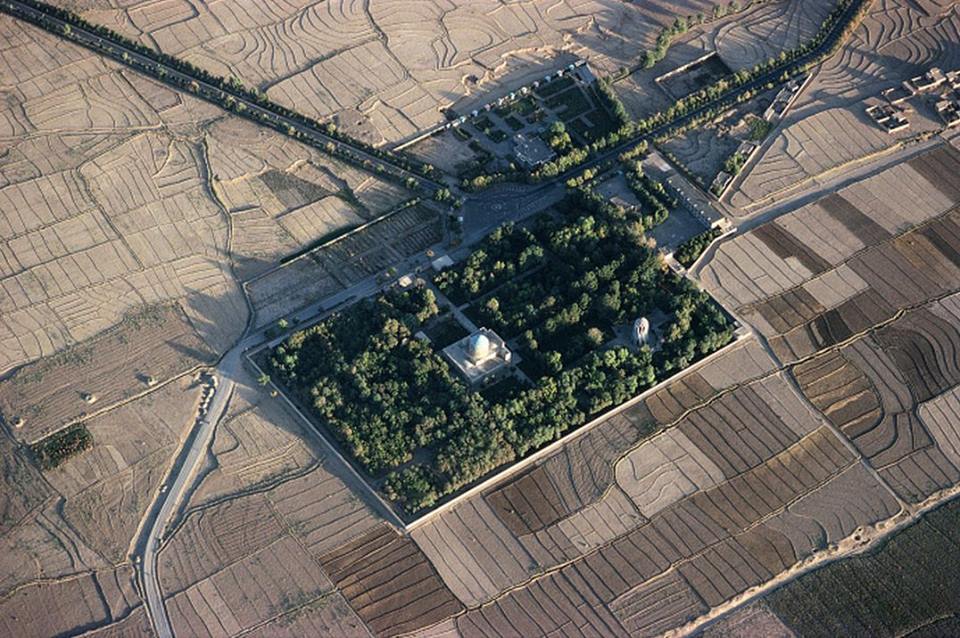
A Gem Garden of Nishapur

A Gem Garden of Nishapur

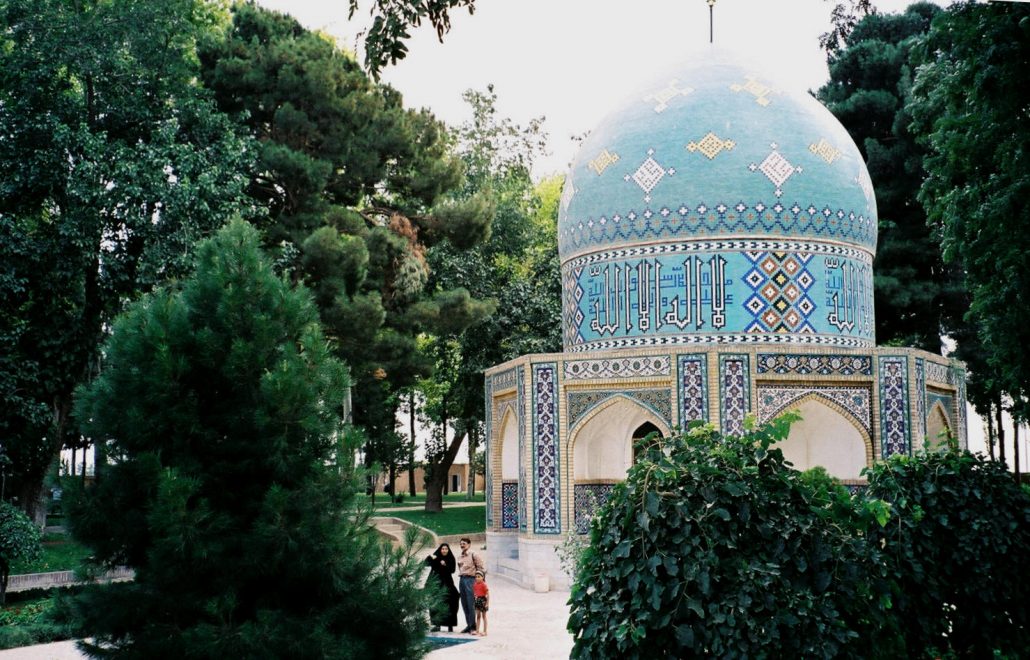
Mausoleum of Attar Neyshaburi

The Mausoleum of Attar Neyshaburi, the great mystic poet Attar (1150-1220), also known as the Martyr Poet, is a small octagonal monument covered by a turquoise dome. Born and raised in Nishapur, he dedicated his life to study mathematics, poetry and hagiography. Nevertheless, the Mongols, unfortunately murdered the famous Persian Poet who has a heavy influence on Hafez Shirazi, in 1220. He is known for his masterpiece The Conference of the Birds (or Dialogue of the Birds), written in the form of an allegory. Groups of birds are in search of search of divine wisdom, called Simorgh, literally means “Thirty Birds”. In the end, only thirty birds succeeded in finishing the journey and surprisingly they found out that they themselves are Simorgh.  Here is a piece of The Conference of Birds:

If Simorgh unveils its face to you, you will find

that all the birds, be they thirty or forty or more,

are but the shadows cast by that unveiling.

What shadow is ever separated from its maker?

Do you see?

The shadow and its maker are one and the same,

so get over surfaces and delve into mysteries

(The Conference of the Birds by Attar, translated by Sholeh Wolpe)

Mausoleum of Attar Neyshaburi

Mausoleum of Attar Neyshaburi

Mausoleum of Omar Khayyam

Born in 1048, Omar Khayyam was a great Persian philosopher, mathematician, astronomer and poet who wrote his poetry in four lines known as Rubaiyats.

He was born in a small village near Nishapur and passed his early education in there. Then he headed to Samarkand, another province of Persia then. His genius in astronomy, physics, mathematics and Poetry made him famous all over the Persian Empire quickly. But his world fame came to him in the middle of the 19th century, when his poetry was translated into English by Edward FitzGerald, an English poet and writer. His mausoleum was designed by Hooshang Seyhoun, a well-known Iranian architect, in Mohammad Reza Pahlavi Period.

A Book of Verses underneath the Bough,
A Jug of Wine, a Loaf of Bread—and Thou
Beside me singing in the Wilderness—
Oh, Wilderness were Paradise enow!

(The Rubaiyat of Omar Khayyam, translated by Edward FitzGerald in 1889)

Mausoleum of Omar Khayyam

Mausoleum of Omar Khayyam

Kamal al Molk Tomb

Known as Kamal-ol-Molk, Mohammad Ghaffari, one fo the greatest painter of Iran, born in Kashan in an affluent family of Ghaffari in 1848. In his teens, he decided to move to Tehran to further his education, enrolled in Dar-ul-Funun, and got the attention of Naser al-Din Shah Qajar who invited him to his court and because of his mastery titled him as Kamol-al molk (Perfection of Land). His paintings mostly includes portraits of courts men, landscapes, royal camps and hunting grounds, and different parts of royal palaces.  Kamal-ol-Molk died in Nishapur, Iran, in 1940 and buried next to Attar.

Kamal al Molk Tomb

Kamal al Molk Tomb

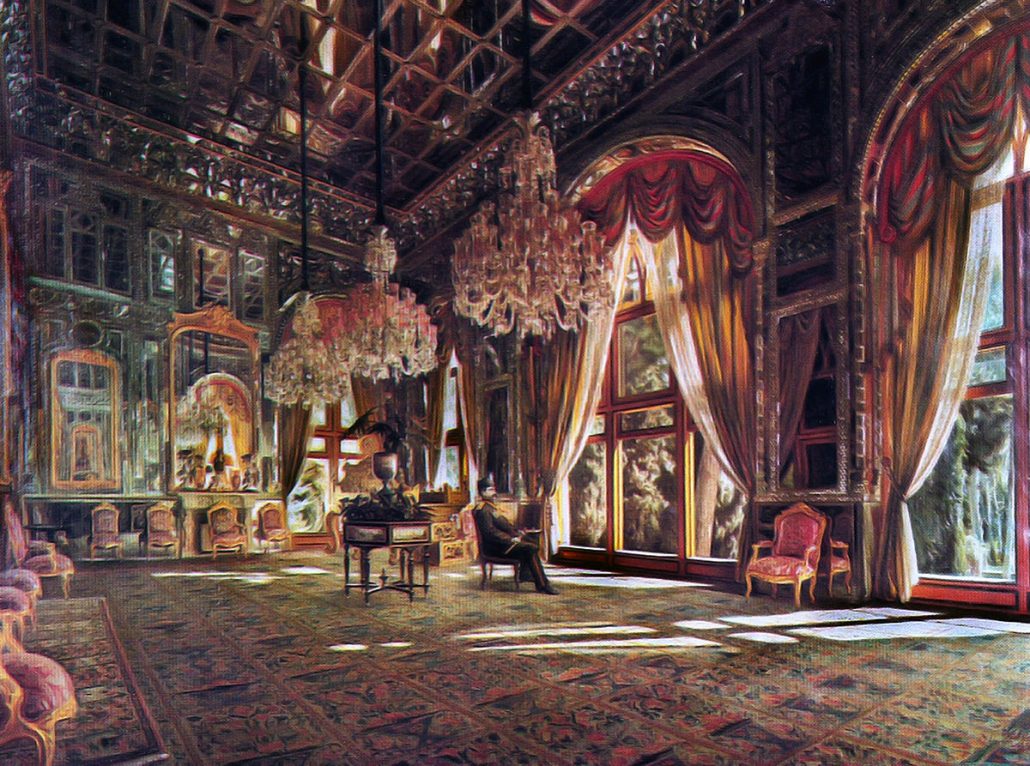
Mirror Hall

Mirror Hall, which he believed to be his best work. He painted it over a five-year period

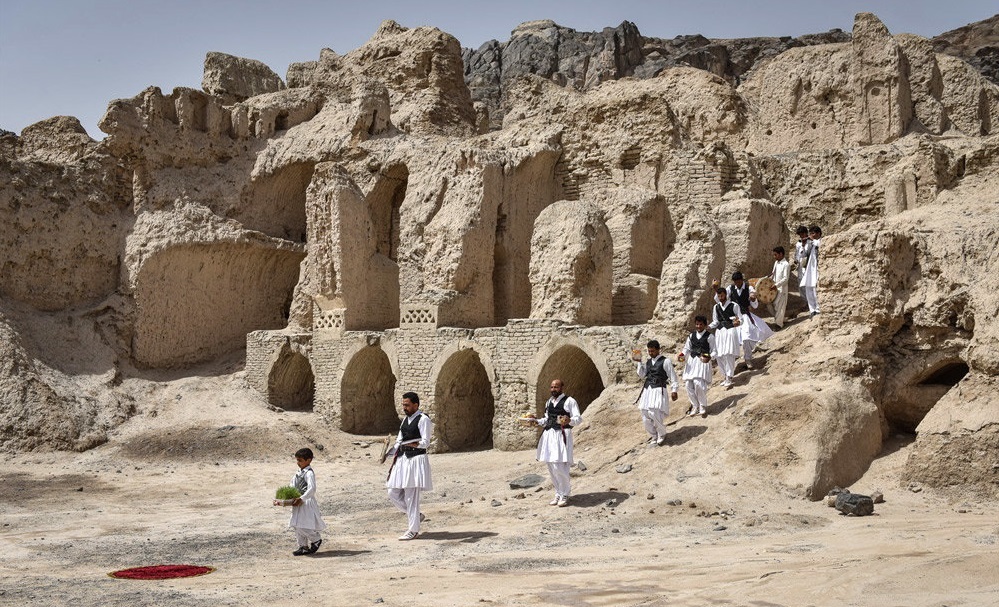
The Baluchis (also Baluch, or Baluchi) are a seminomadic people (they travel with their herds on a seasonal basis but also have a home area where they grow some food crops). They live in the southern mountain range and coastal areas of South Asia’s western borderlands. Their traditional homeland is among Pakistan, Iran, and Afghanistan.

The Baluchis believe they are descendants of Amir Hamza, an uncle of the Prophet Muhammad. They settled in their present homeland sometime between the fifth and seventh centuries AD. Persians, Arabs, Hindus, and others have claimed to parts of Baluchistan, the traditional Baluchi homeland. Conflict within tribes and rivalries between tribes were frequent throughout the region. The reason was often competition for land, money, and resources.

Sistan and Balochestan

Sistan and Balochestan


Living Place

The Baluchis population today estimates at 7.5 million. In addition, many people are Baluchis in culture but have adopted the language of their neighbors. The Baluchis could total over 11 million in number.

The traditional homeland of the Baluchis extends west from the borders of the Punjab and the Sind (a province of Pakistan in the valley of the Indus River), across a small section of Afghanistan, to the areas of the Iranian Plateau southeast of Kerman. The southern boundary defines by the coast of the Arabian Sea and the Gulf of Oman.

The Province of Baluchistan, in which some 6 million people (80 percent of the total Baluchis population) live in Pakistan. Just over 1 million Baluchis live within the borders of Iran, and there are 300,000 more in Afghanistan.

Language

The Baluchi language is an Indo-Iranian language of the Indo-European family. Modern Baluchi language is a kind of combination of Persian, Arabic, Sindhi, and other languages. No written form of the language existed before the early nineteenth century. Persian was only used for official purposes until that time.

Folklore

The Baluchi are known as bravery and courage. Also, Many tribal heroes are honored in folk songs and ballads.

Religion

The Baluchis are Muslim, mostly Sunni.

Major Holidays

The Baluchi observe the festivals of Eid al-Fitr, which is at the end of Ramadan, and Eid al-Adha, the Feast of Sacrifice that falls at the end of the Islamic year. On these occasions, people wear clean clothes and begin the day with prayer. The rest of the holiday spends in gambling, horseracing, and general merrymaking.

Eid al-Adha is celebrated with the sacrifice of goats and sheep. The meat is distributed among relatives, friends, and the poor. Alms (donations) are given to beggars. The tenth day of the month of Muharram is observed by visits to the graves of relatives, followed by prayers and the giving of alms to the poor. In general, the Baluchis pay less attention to celebrating festivals than do other Muslim peoples in South Asia.

Rites of Passage 

The birth of a child is greeted with rejoicing, music, and singing. Food and sweets are prepared and given out. The birth of a boy is cause for greater celebration, and some groups barely recognize the arrival of a girl. Names common among the Baluchis include Lalla, Bijjar, Kannar, and Jihand.

Other ceremonies mark occasions such as the circumcision of boys, the time when a child begins to walk, and the first wearing of trousers. This last event, occurring around the age of fifteen, was traditionally an important stage in a boy’s life. It shows his becoming an adult and the time when he took up arms and joined his people in warfare.

Lifestyle 

Baluchi nomads live in tents (gidam) made of palm matting stretched on poles. A coarse goat-hair carpet forms the floor of the tent. There are permanent settlements to live in during the summer months. More recently, houses build of sundried brick. They are scattered along narrow, long village lanes. Both old and newer houses have an open courtyard in front, enclosed by a low mud wall or palm fence.


Clothing

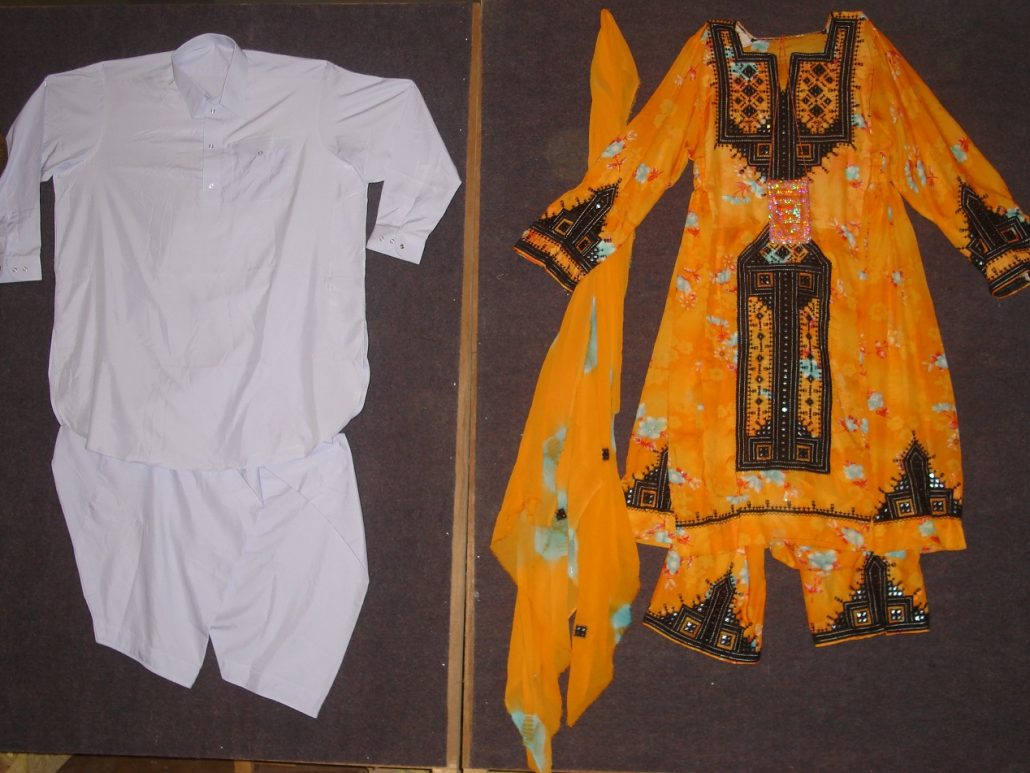
Traditional clothing for the Baluchi man is a long, loose shirt (jamag or kurta) that reaches below the knees, worn with baggy trousers (salwar), and a turban (pag). The turban is a long cloth wound around a turban cap on the head. Leather shoes or palm-leaf sandals are worn. A shawl or wrap (chaddar) provides extra warmth in winter but can also be used as a towel, sash, or head-cloth; it can be used to carry things.

Balouchi Dress

Balouchi Dress

Women wear a long shift (pashk) reaching to the ankles, with a wrap used to cover the head, shoulders, and upper body. The wearing of pants under the shift has been restricted to women of high status. Bright colors are usually avoided, but scarlet is popular among girls of married age. Widows wear black. Women wear an assortment of jewelry, including rings (nose rings, earrings, rings on fingers and toes), necklaces, bracelets, and hair ornaments. Jewelry is made of gold or silver, depending on what a person can afford.

Food

The Baluchis have two meals a day, in the morning and evening. The food for the whole family is cooked together, but men and women eat separately. The most important grain is wheat, but millet and rice are also eaten. Grains are ground into flour and made into unleavened bread (flat bread, without any ingredients to make it rise), which is baked in mud ovens.

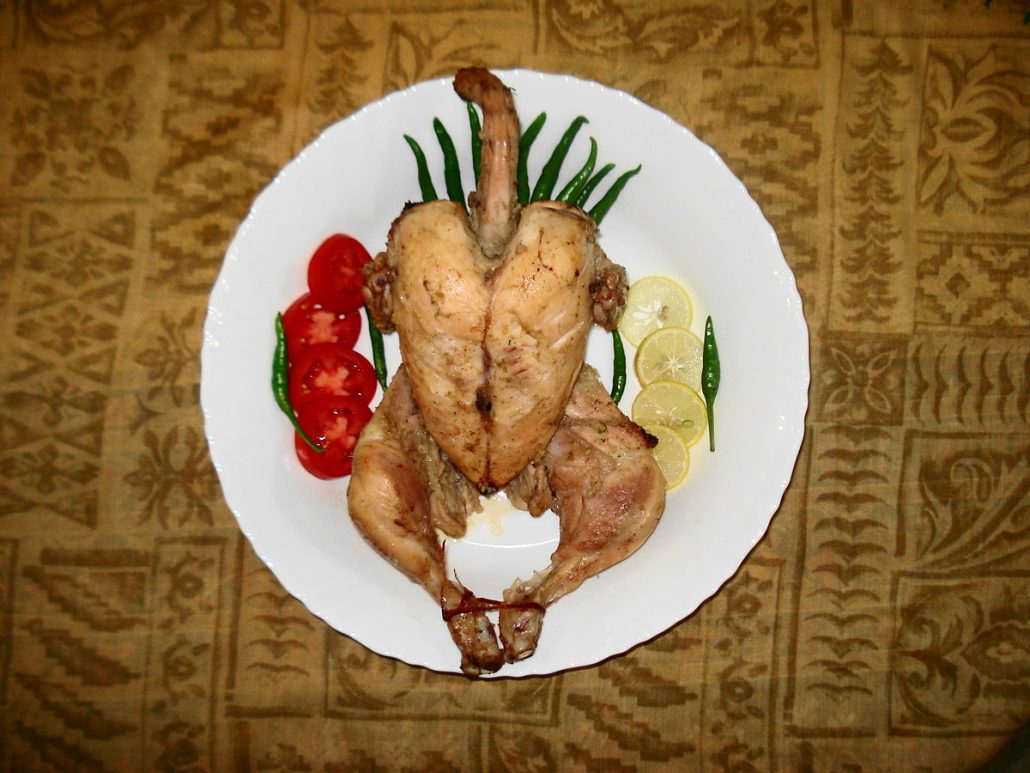
Sajji

Sajji

Meat is an important part of the Baluchis diet. Sajji is a favorite dish that is mostly served to honored guests. A sheep is killed, skinned, and carved into joints. The meat is sprinkled with salt. The pieces of meat are spitted on green twigs, which are stuck into the ground in front of a blazing log. Once cooked, this dish is eaten with a knife, although Baluchi usually eat with their hands.

Milk is drunk and made into fresh cheese, buttermilk, and butter. In summer, a sherbet (lassi) is made with milk, molasses, and sugar. Dates and wild fruits and vegetables also form an important part of the Baluchi diet.


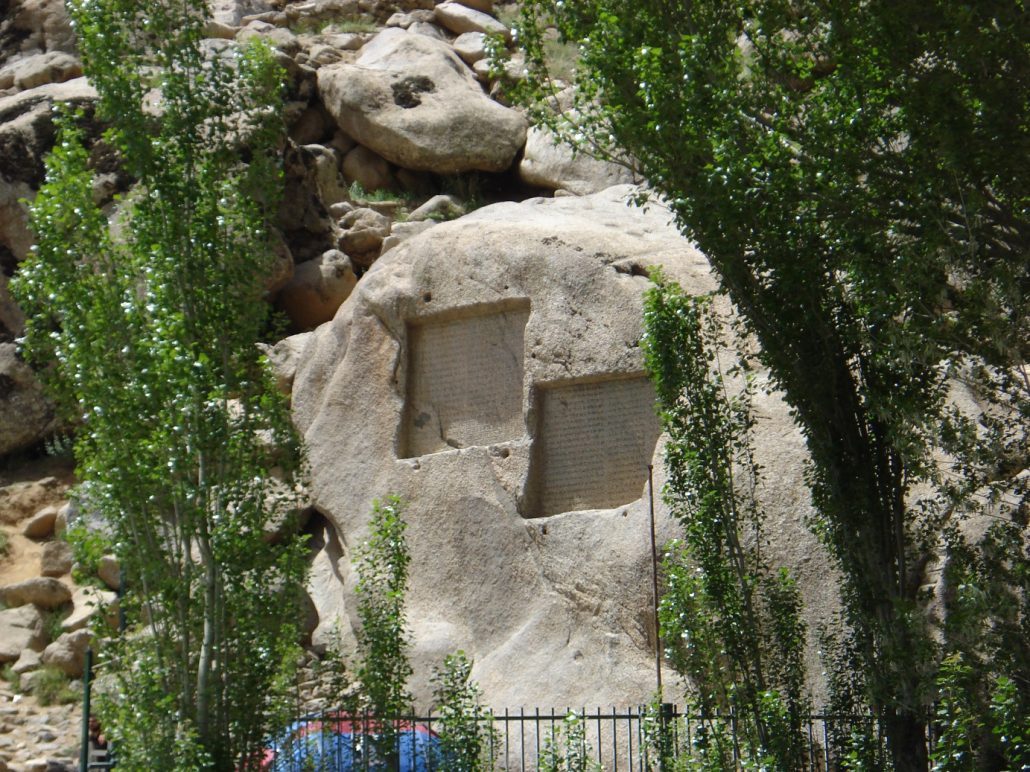
Ganjnameh  inscriptions (literally ‘Treasure Book’) is so named because its cuneiform rock carvings were once thought to be cryptic clues leading to caches of Median treasure.

Ganjnameh Inscriptions

Ganjnameh Inscriptions

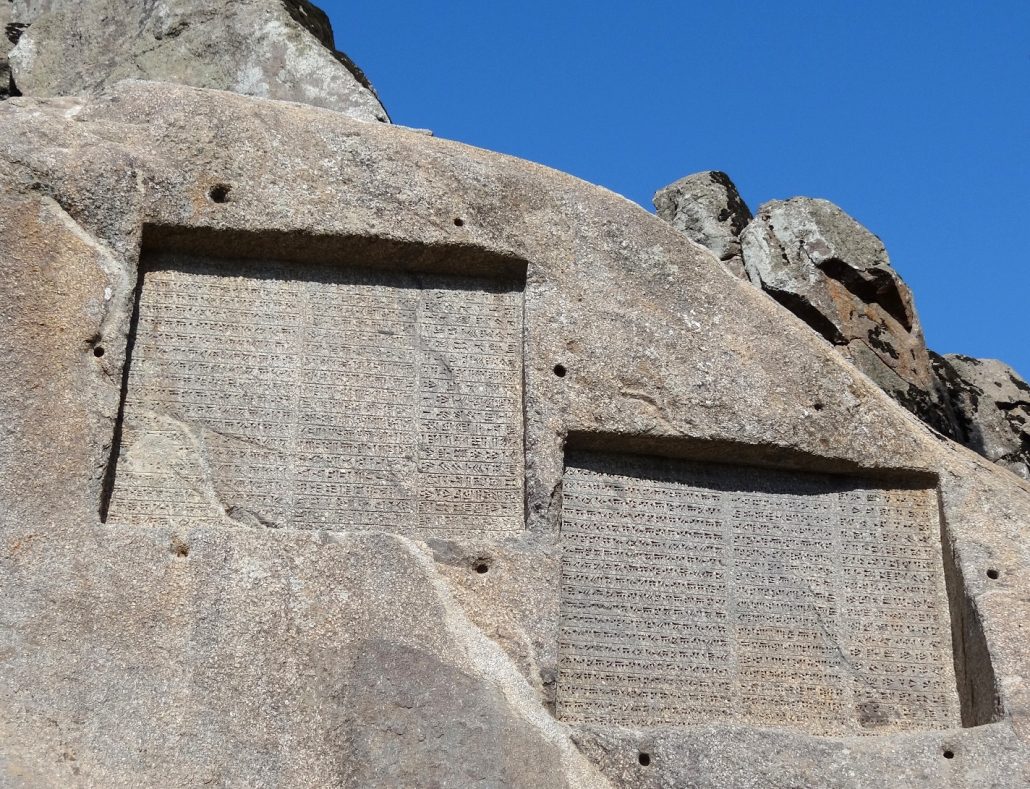
The Ganjnameh are set of cuneiform characters written in three languages (ancient Persian, Elamite, and Babylonian), set into a rockface on Mount Alvand, about 5 kilometers from modern-day Hamadan. They were first studied in detail by the French painter and archaeologist Eugene Flandin, who was accompanied by Pascal Coste. Following on their work, Sir Henry Rawlinson, a British explorer, used the inscriptions as a sort of Rosetta stone to descipher the cuneiform characters of the era. The inscriptions proved to belong to the age of Darius I (521-485 BCE) and Xerxes I (485-65 BCE), refuting earlier myths that the inscriptions described the location of buried treasure–hence the name Ganjnameh, or ‘treasure epistle’.

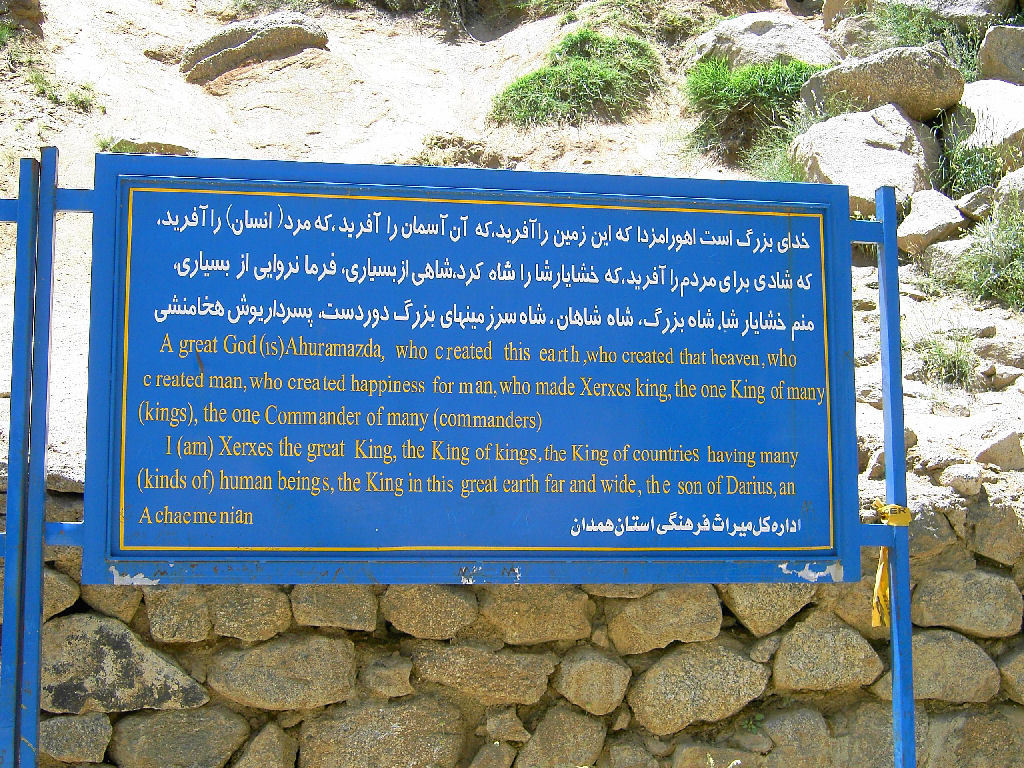
Ganjnameh Entrance Sign

Ganjnameh Entrance Sign

The texts are in fact a hubris-laden suck-up to the Zoroastrian god Ahura Mazda from the Achaemenid monarch Xerxes (r 486–466 BC) for making him such a stellar king. To emphasise the point, the message is repeated in three languages (Old Persian, Elamite and neo-Babylonian) on rock faces some 2m high. A second panel similarly commemorates his father, Darius. All this is rather ironic considering the modern-day fetish for social-media immortality.

Cuneiform Inscriptions of Darius and Xerxes in Ganjnameh

Cuneiform Inscriptions of Darius and Xerxes in Ganjnameh

The right inscription, belonging to Xerxes I, reads: “The Great God [is] Ahuramazda, greatest of all the gods, who created the earth and the sky and the people; who made Xerxes king, and outstanding king as outstanding ruler among innumerable rulers; I [am] the great king Xerxes, king of kings, king of lands with numerous inhabitants, king of this vast kingdom with far-away territories, son of the Achaemenid monarch Darius.”

In this context, “God” refers to Ahura Mazda of the Zoroastrian religion.

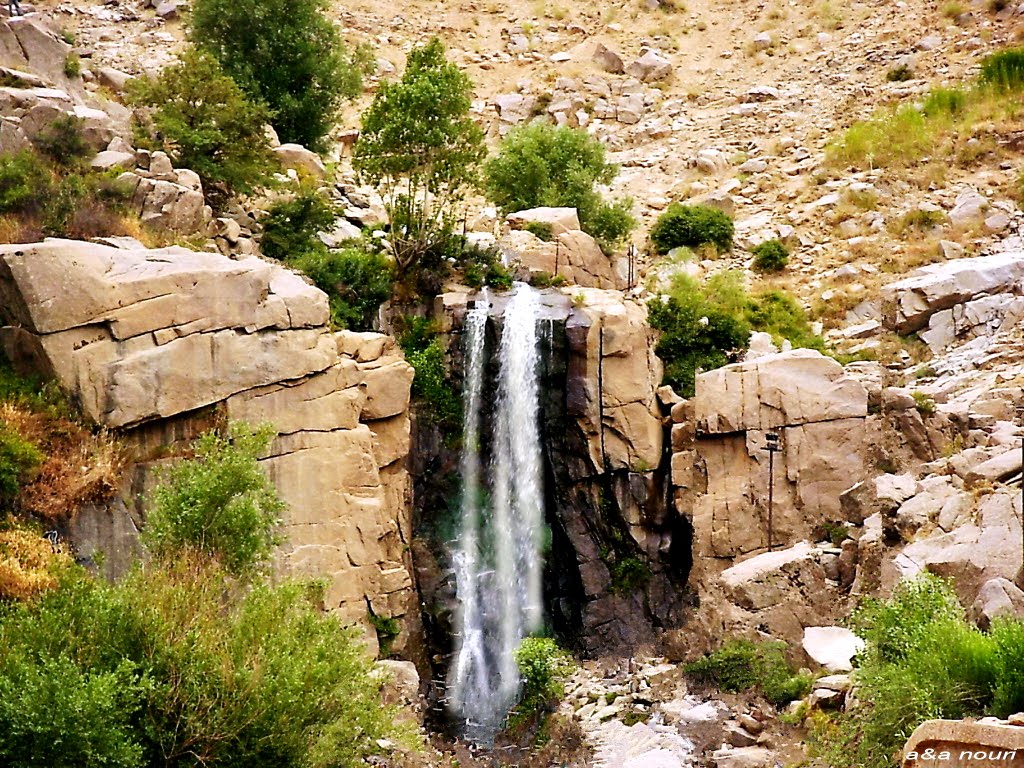
Ganjnameh Waterfall

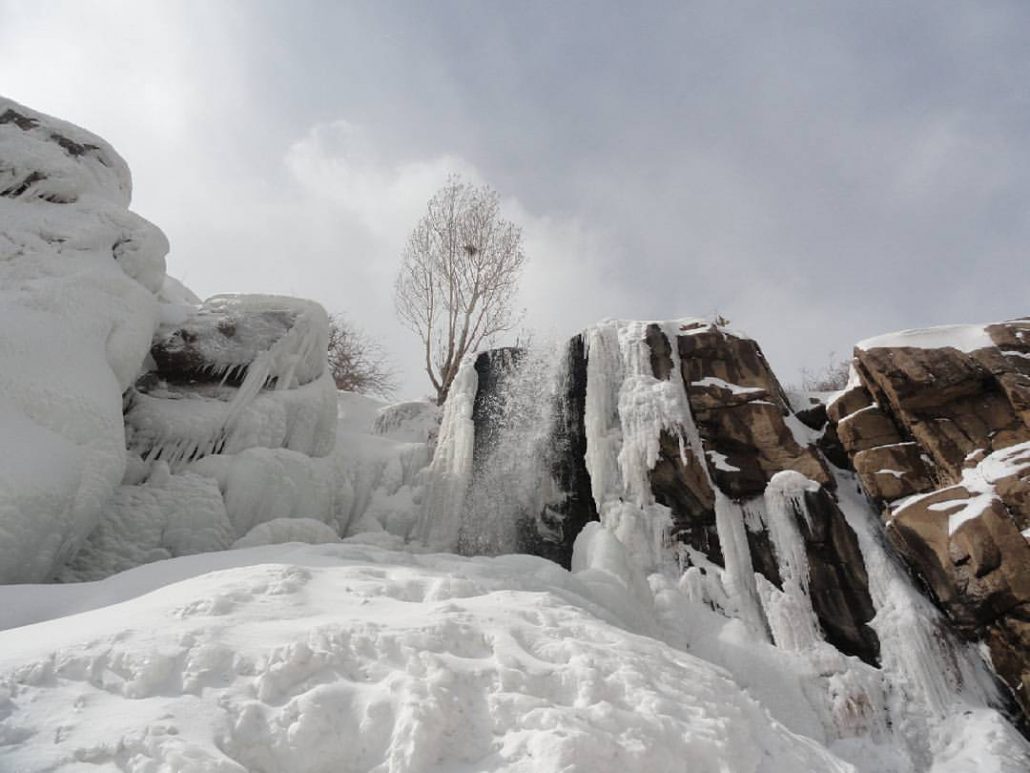
Ganjnameh waterfall is one of the most important waterfalls of the province, near the city of Hamadan and at the tail end of the recreational area of Abbas Abad Valley. This waterfall flows down from a height of about 12 m. and is known as the water of Abbas Abad. Its average output is 200 litres / second. This waterfall is in the vicinity of the Ganjnameh Inscriptions and also en route to the track from where the heights of the Alvand mountains are accessible.

Beautiful Ganjnameh Waterfall

Beautiful Ganjnameh Waterfall

Ganjnameh Waterfall in Winter

Ganjnameh Waterfall in Winter

If you love travelling to new places, Iran is a top destination. Iran, as the seventeenth largest country in the world and the second largest country in the Middle East enjoys a variety of cultural and natural attractions, delicious Persian foods, fascinating art works, breathtaking adventurous activities, famous poems and poets, amazing events and festivals, different religious monuments, and so many other entertaining programs to appeal to tourists with many different interests.
Travel-to-Iran-tours-to-Iran-bucket-list

Iran enjoys a variety of cultural and natural attractions

Here are some of the reasons why Iran should be on your travel bucket list of 2018.

Iran is safe and affordable

Though the media has not portrayed a positive picture of Iran, the truth is that it is one of the safest and friendliest countries in the world. It is safe enough to welcome all nations even those solo travelers and women who love to travel by themselves. Moreover, Iran is one of the world’s most affordable destinations. The government has also eased the visa issuing progress. Therefore, travelers have more opportunities to visit this amazing country.

Iran has intact nature and ancient culture

Long history, outstanding architecture, elegant gardens, astonishing landscapes, and remarkable wildlife all represent Iran as a great destination to explore. With 22 cultural heritage and one natural sites inscribed on UNESCO World Heritage List, Iran is proud of its thousands year old historical and cultural attractions. It is the country of wind catchers, Persian gardens, museums, caravanserais, bridges, mausoleums, mosques, churches, and bazaars.

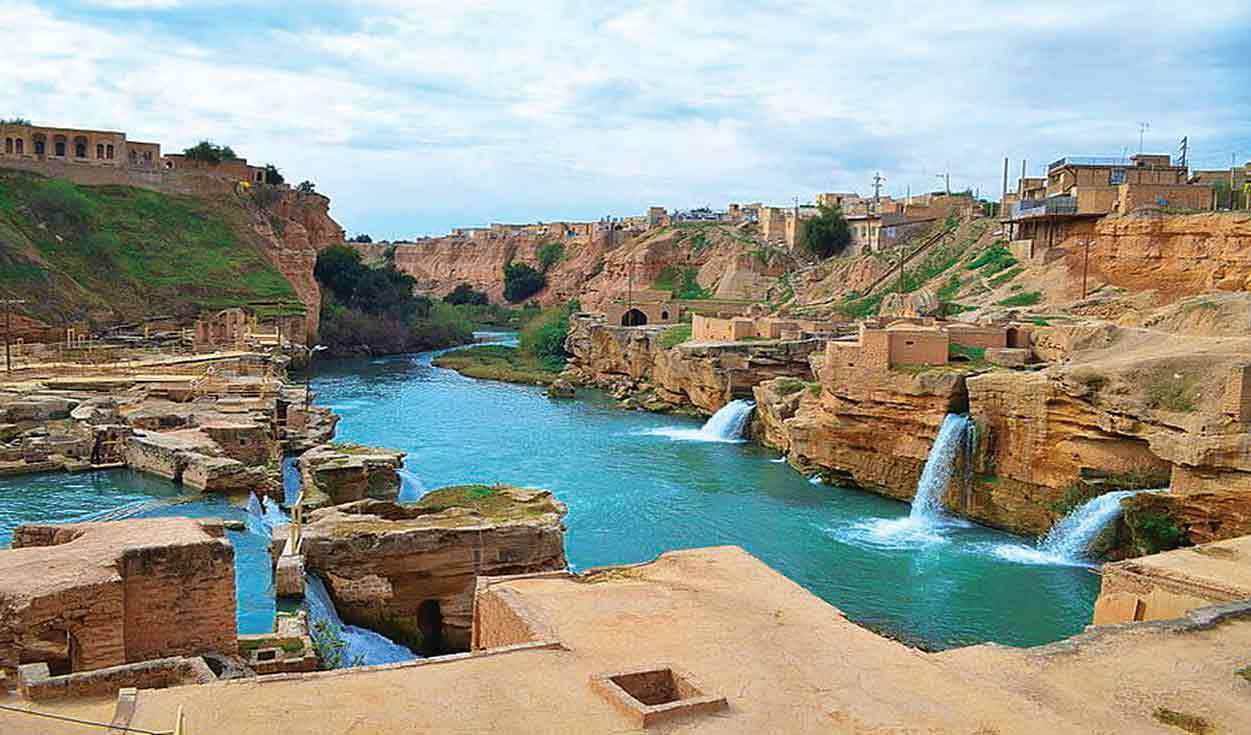
Susa, Shushtar Hydraulic System, and Tchoghazanbil in Khuzestan as the birthplace of the Elamites, and Burnt City dating back to 3200 BC in Sistan and Baluchestan are among Iran cultural and heritage sites.
Travel-to-Iran-tours-to-Iran-bucket-list-of-2018-1

Shushtar Historical Hydraulic System as a UNESCO World Heritage site

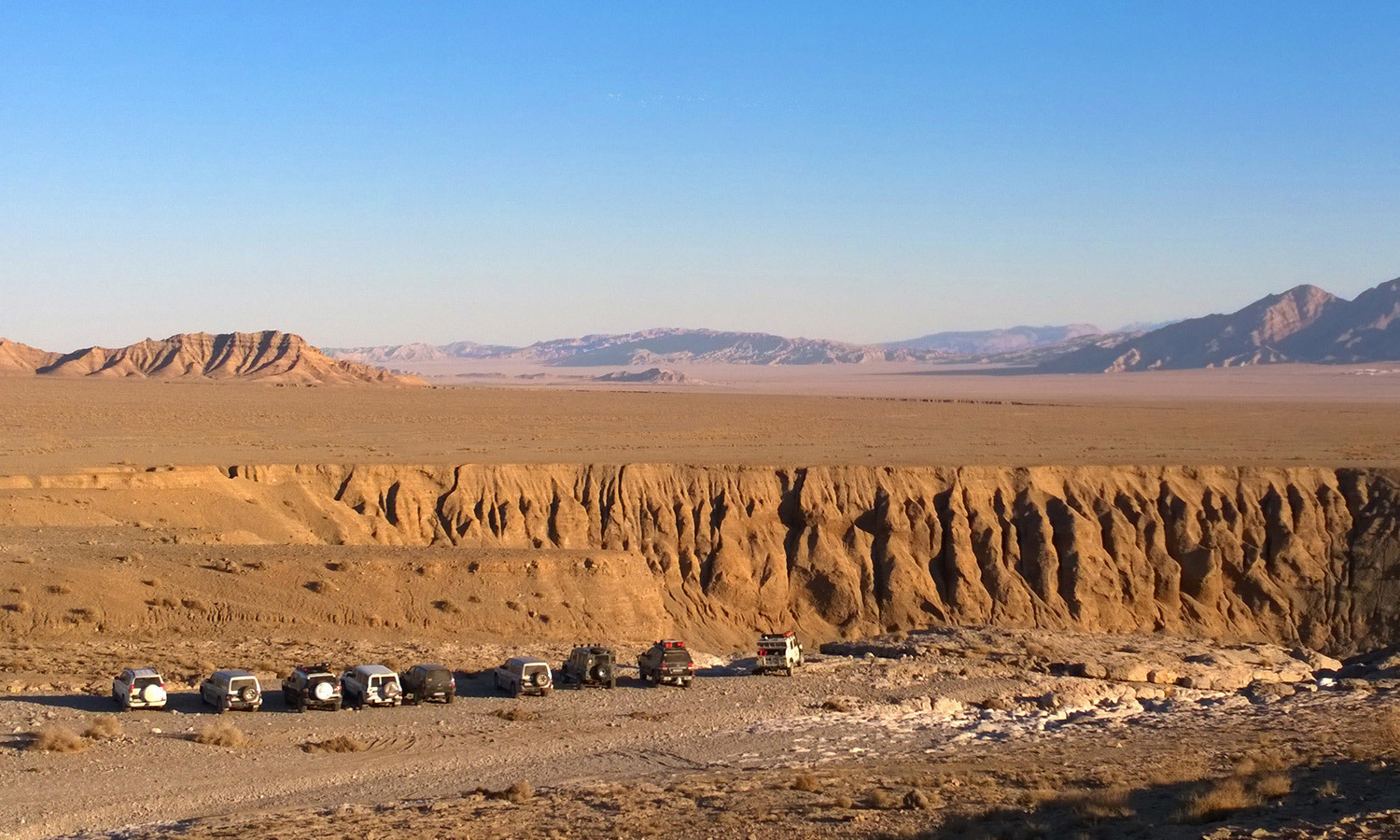
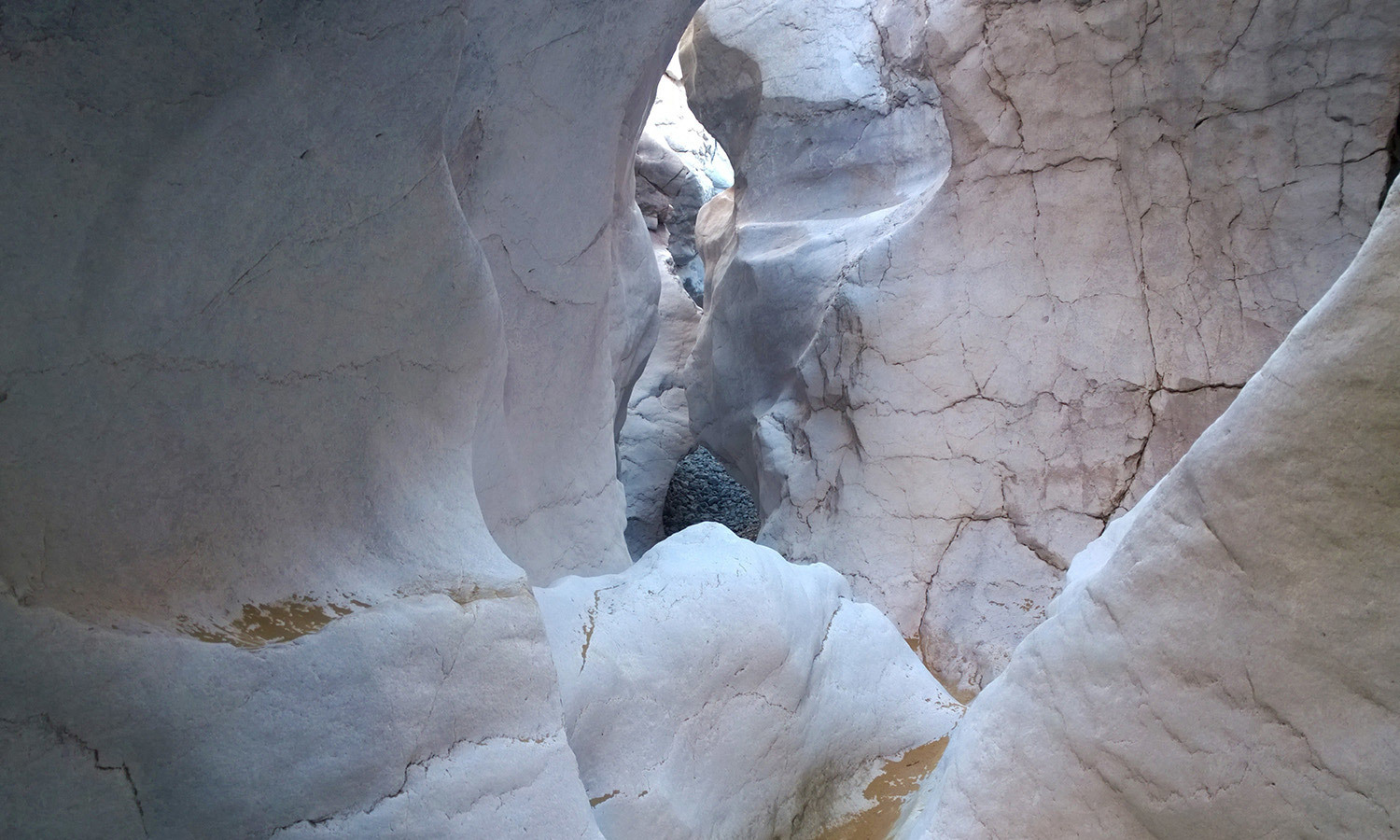
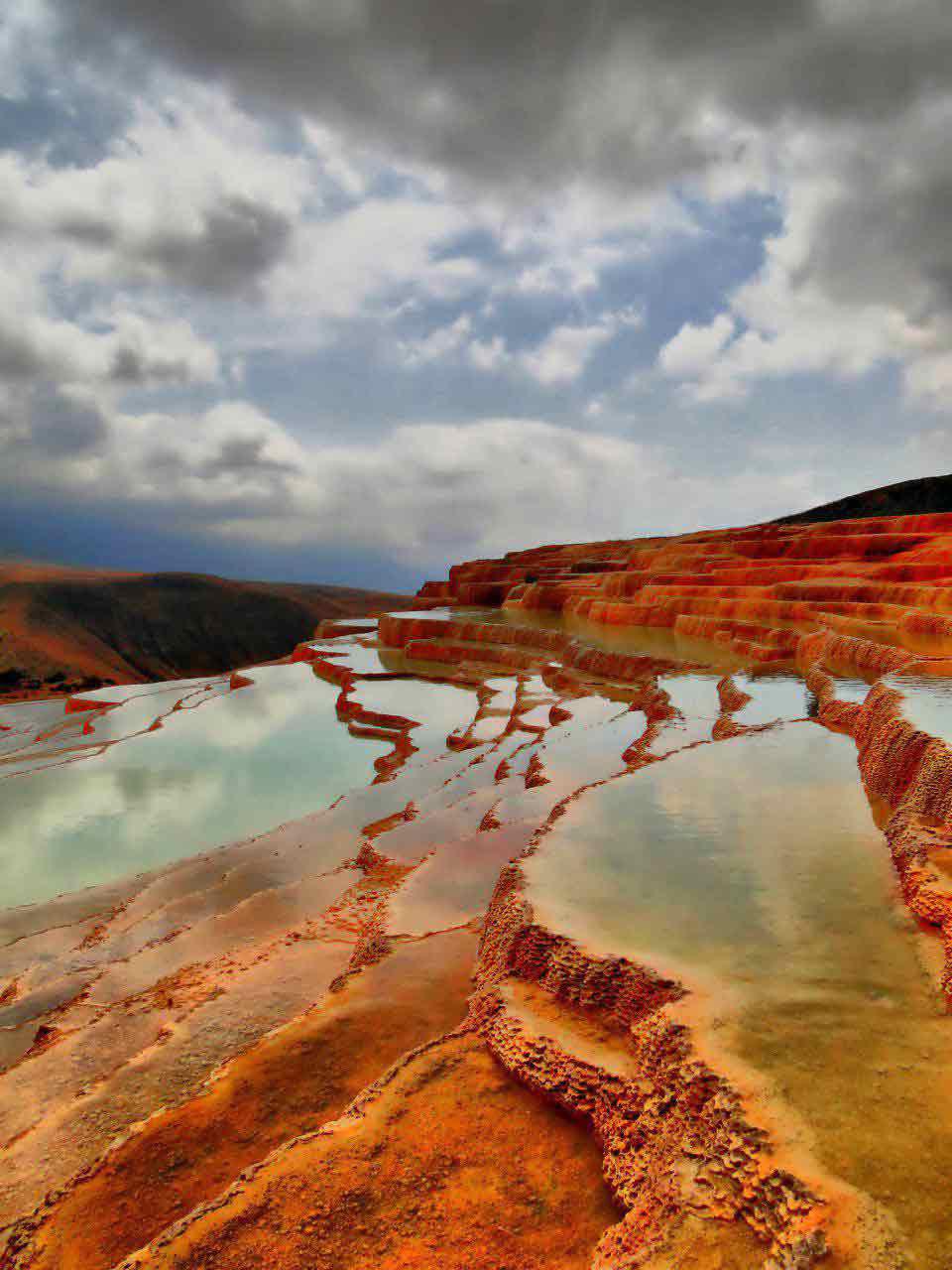
Iran also embraces mountains, deserts, forests, caves, canyons, rivers, and national parks. Ali-Sadr Cave in Hamadan, Badab-e-Soort travertine terraces in Mazandaran, Kaluts of Shahdad in Lut Desert, and mangrove trees and Star Valley in Qeshm Island are only some of the natural attractions of Iran.

Iran is wonderful for adventure seekers

Surrounded by high peaks, roaring rivers, intense forests, vast deserts, large waterfalls, and deep canyons, Iran has the most inspiring places for adventure seekers from around the world. Rafting, hiking, biking, trekking, spelunking, caving, mountain biking, scuba diving, Safari expedition, sand boarding, bird watching, and canyoneering are all the adventurous activities one can enjoy in Iran.
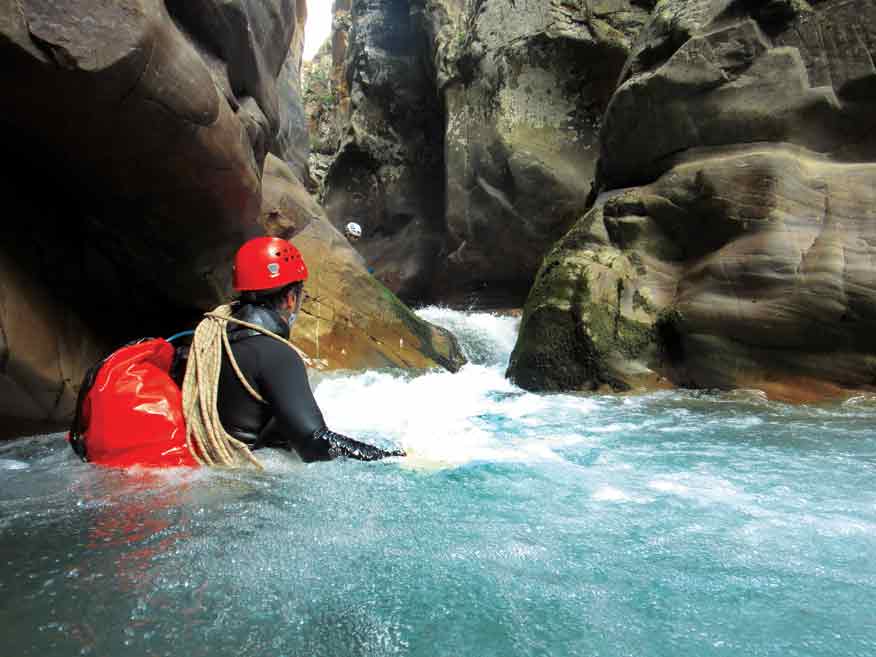
Iran is wonderful for adventure seekers

Iran is wonderful for adventure seekers

Iran has fantastic festivals

As a historical country, Iran has a variety of festivals and ancient traditions. Nowruz, Mehregan, Shab-e-Yalda, and Chaharshanbeh Suri are among the most famous ones held annually in Iran.

Nowruz known as the Persian New Year is celebrated worldwide by Iranians. Setting “Sofreh Haft Seen” is an interesting custom of Nowruz. It includes Seven (Haft) symbolic edible herbs and fruits all starting with the letter “Seen” in Persian Alphabet (pronounced as letter S in English), an ornamented mirror, Holy book, and a Divan of Hafez. Each of the fruits or herbs stands for a meaningful concept.

The autumn starts with the month of Mehr in Iran and its 16th day called “Mehregan” is the celebration of light, friendship, kindness, and love in Avestan calendar.

Shab-e-Yalda (Yalda Night) is one of the most ancient Persian festivals annually celebrated on December 21 by Iranians all around the world. It is the last night of autumn and the longest night of the year. On Shab-e-Yalda, people gather in groups of friends or relatives to pass the longest night of the year happily by eating nuts and fruits, reading Hafiz poems, making good wishes, and talking and laughing all together.
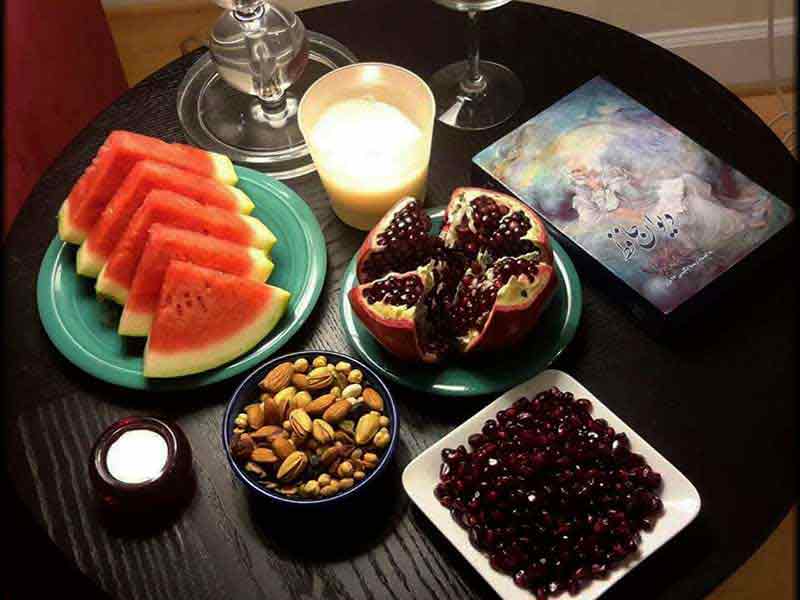
Shab-e-Yalda is one of the most ancient Persian festivals

Shab-e-Yalda is one of the most ancient Persian festivals

Chaharshanbeh Suri known as the Persian Festival of Fire is also celebrated on the eve of the last Wednesday before Nowruz. In the evening of Chaharshanbeh Suri, people make bonfires and jump over the fire while symbolically ask the fire to take sickness away and bring about health.

Iran is great for religious Tourism

Iran enjoys diversity in religions. Many Islamic holy places such as Mashhad and Qom attract even non-Muslims because of their magnificent architectural features. As Iran has been the land of other religions before Islam such as Zoroastrianism and Christianity, there are many holy places related to those religions in different parts of Iran. Armenian Monastic Ensembles in West Azarbaijan province, Vank Cathedral in Isfahan, the Zoroastrian Pir-e-Sabz or Chak Chak pilgrimage place in Yazd, the Tomb of Daniel in Susa, and the Holy Shrine in Mashad all satisfy the spiritual needs of the followers of different religions.
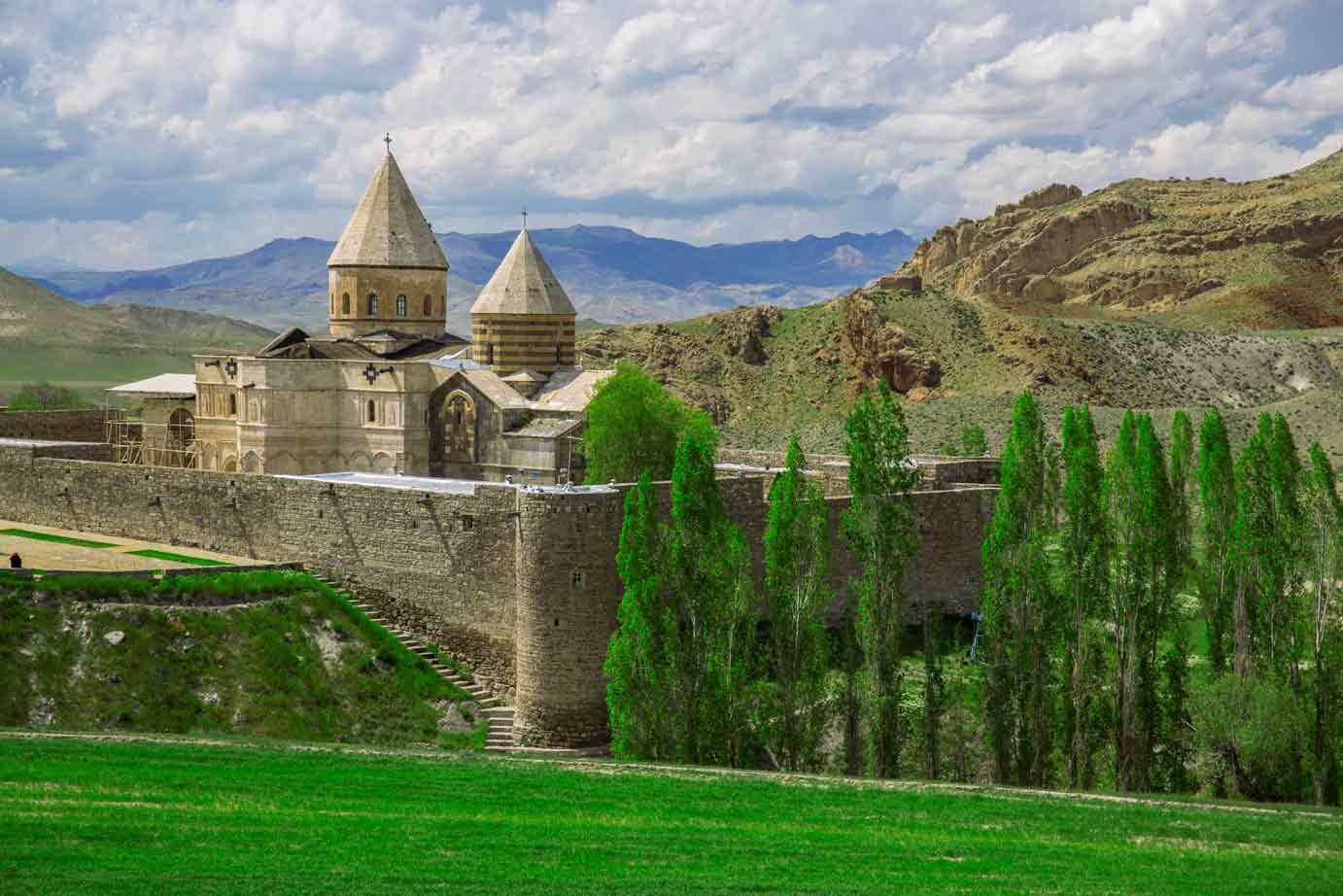
Iran enjoys diversity in religions

Iran enjoys diversity in religions

Iran has opportunities for Halal Tourism

Halal tourism means providing travel in accordance with Muslim beliefs and practices such as serving no alcohol or pork products. Travelling around Iran provides peace of mind for Muslims, because foods are all halal. Kebabs and different kinds of stew, soup, and rice dishes are the famous delicious Iranian foods .Iran could be a perfect destination for travelers who wish to spend their holidays with respect to their cultural and religious beliefs.
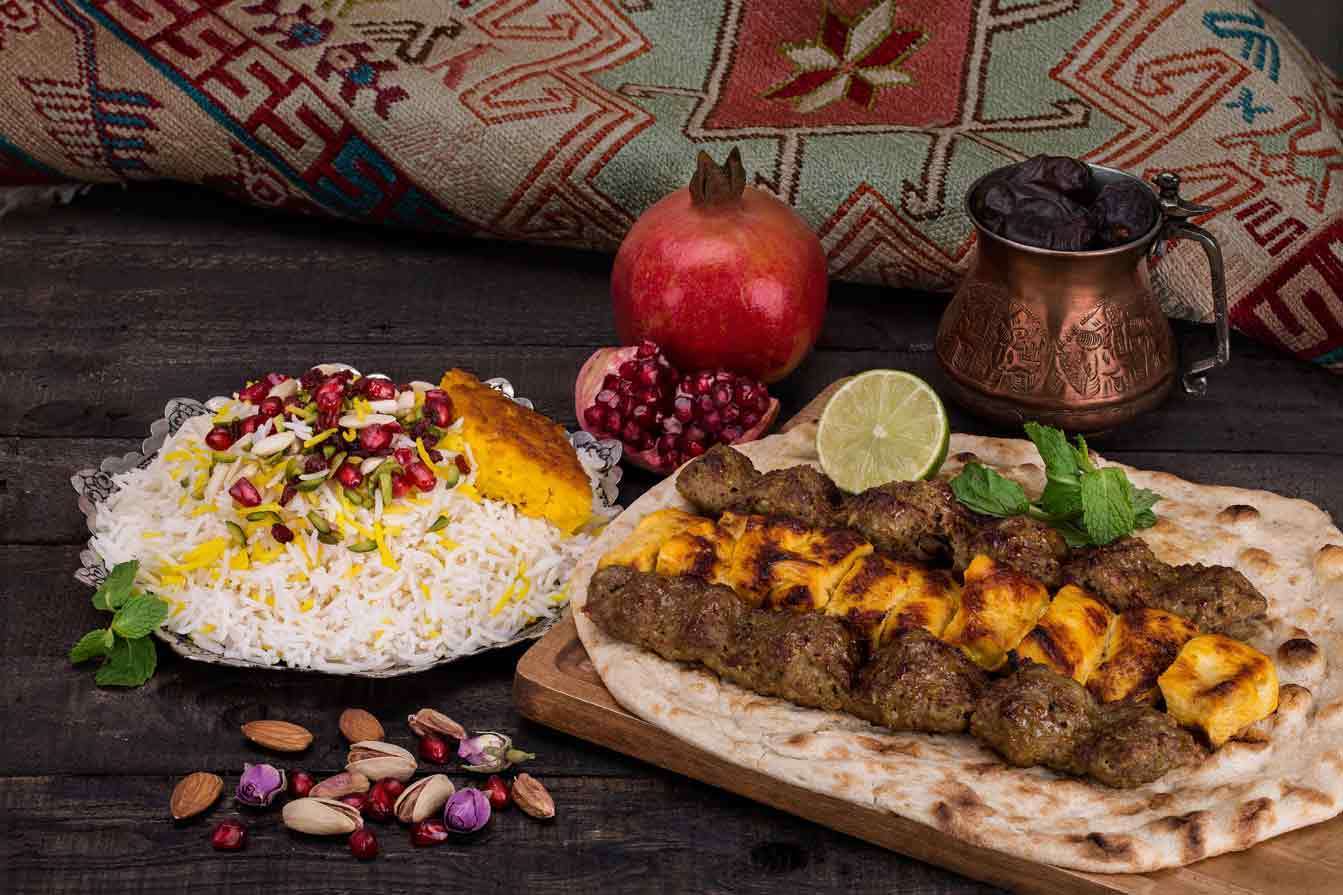
Kebabs are among the most delicious Iranian foods

Kebabs are among the most delicious Iranian foods

Iran is a proper option for Health Tourism

Iran’s highly equipped hospitals and rehabilitation centers offer a wide range of state-of-the-art facilities and treatment with experienced expert medical teams at reasonable costs. Treatment costs are much lower comparing to the developed countries, southeastern Asian countries, and Iran’s regional competitors such as the Persian Gulf States.

Iran has great potentials for MICE Tourism

Iran has also potentials for MICE (Meetings, Incentives, Conferences, and Exhibition) tourism. Since business travelers use travel services such as hotel facilities and other amenities like restaurants, souvenir shops and local tourist spots, all these sectors could be considered as an area for development and investment.

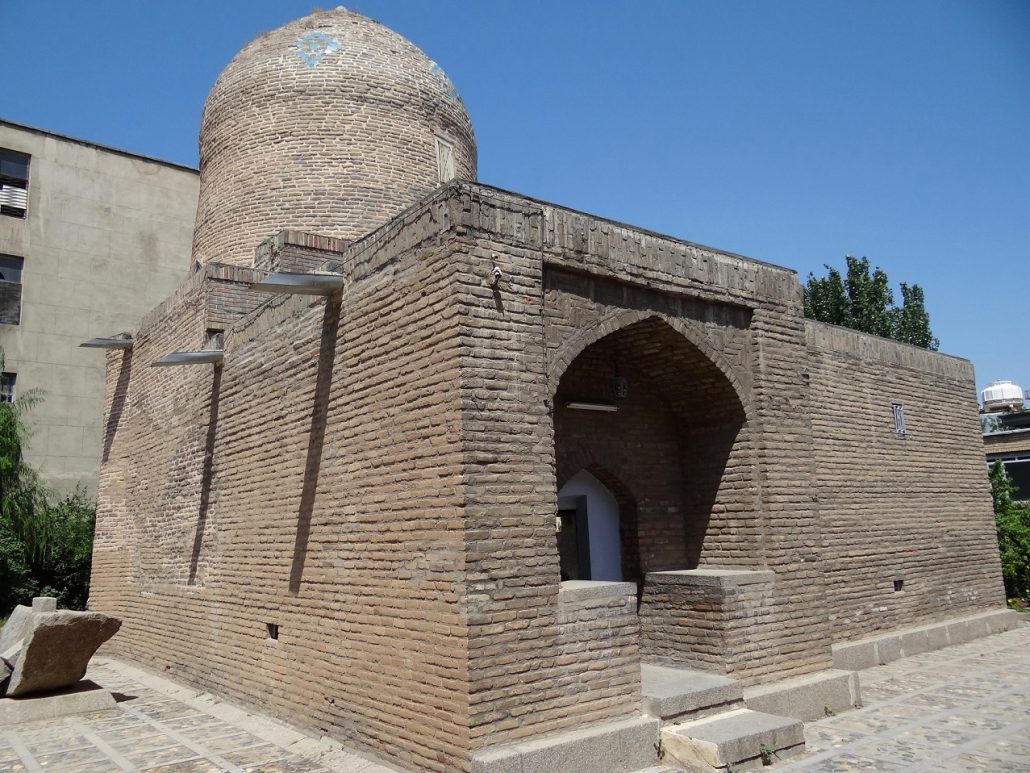
Tomb of Esther and Mordechai

Tomb of Esther and Mordechai

The pivotal Biblical event of the period of the Babylonian Captivity was the marriage of a Jewish girl named Esther to the Persian Emperor Ahasuerus.  Because of her influence with the Emperor, an attempt to slaughter of all Jews in Persia was narrowly averted.  The would-be perpetrator of the genocide, the Emperor’s advisor Haman, was put to death, and the Jews were permitted to return to their homeland as subjects of Persia.  Despite the miraculous events wherein Esther probably saved the majority of her people, she was not destined to ever see the Promised Land again.  For the rest of her life she remained by the side of Ahasuerus, along with her uncle Mordechai, who became one of the Emperor’s closest advisors.

Esther probably died around 500 BC, and was buried in the city of Hamadan along with her uncle.  Later, when the Jews were permitted to return to Palestine, many decided to stay in Hamadan, in part due to their loyalty to Esther, but also because many had become quite settled in their new homes there.  For the next twenty centuries, the Jewish communities of Persia and Mesopotamia remained among the largest and most influential in the world.  After the final dispersion of the Sanhedrin Communities in Judea in the 4th century AD, the Jewish leaders of Persia became the defacto supreme arbiters of Jewish law and practices.

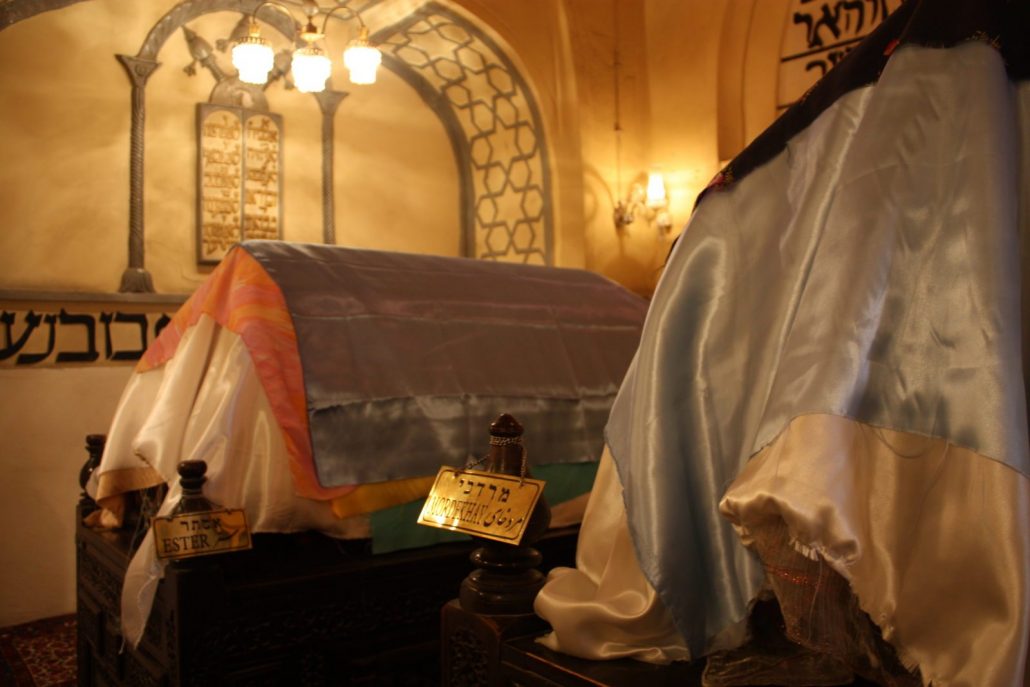
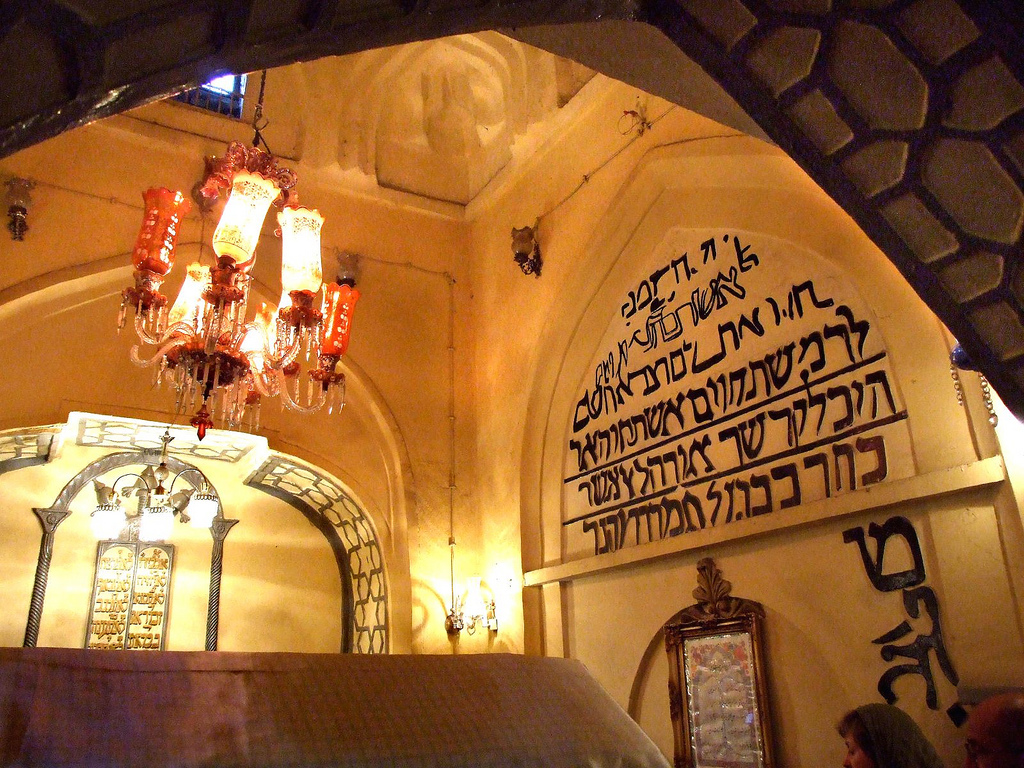
Inside View of Tomb

Inside View of Tomb of Esther and Mordechai

The Jews of Persia remained an important cultural and religious presence in the Islamic east until the 19th century, when they at last began migrating back to the west, a process which has greatly accelerated in the second half of the 20th century.  While the surviving Jewish population of Iran is now very small, the Mausoleum of Esther and Mordechai remains the pilgrimage center of the Iranian Jewish community.

Shrine of Esther and Mordechai

Shrine of Esther and Mordechai

The Shrine of Esther and Mordechai  is a relatively small structure marked by a domed tower.  Although it appears much older due to its extremely simple and austere architectural style, the shrine only dates back to the 13th century.  An arched, late Persian-style entrance is a giveaway to the shrine’s builders and true age.

The tombs of Esther and Mordechai  are clearly much older, and are marked by a pair of large stones similar to the types that sealed off graves in ancient Israel and later Judea.  Inscriptions in Hebrew identify the two tombs as those of Esther and Mordechai .

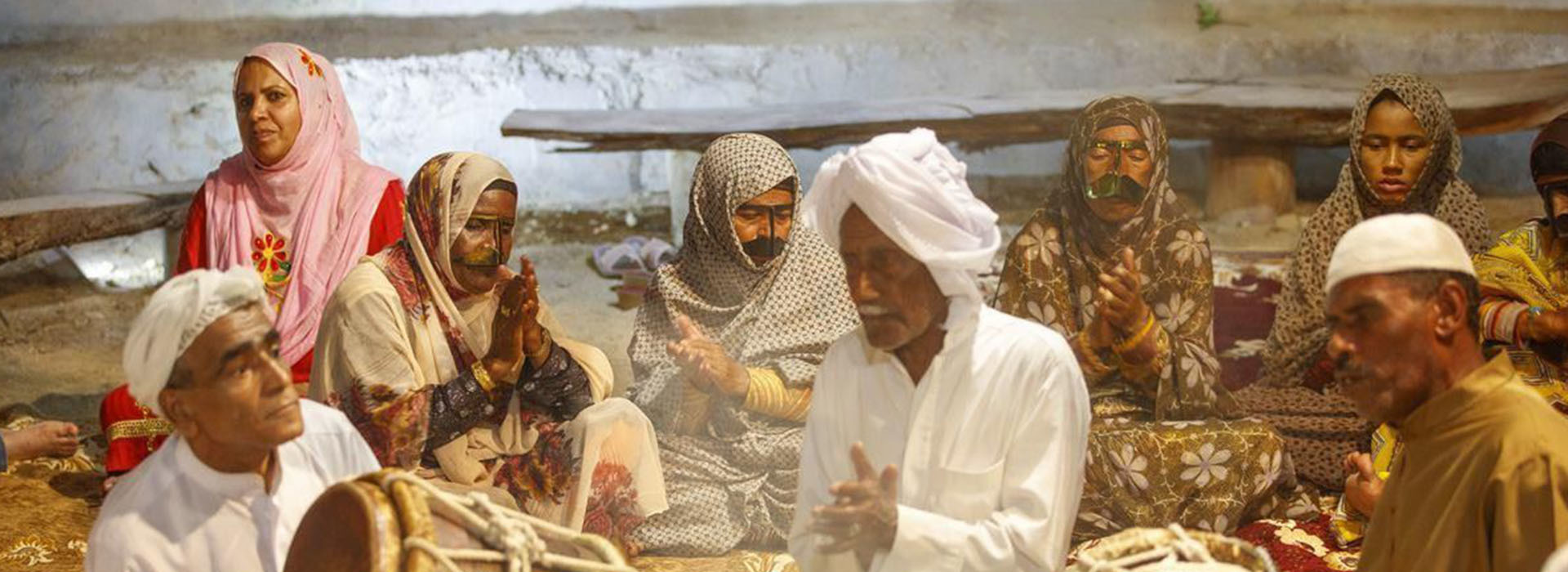
Although the majority of Iranian are Muslims and follow Islamic practices, one can find a mysterious ritual practice  too.

What is Zar?

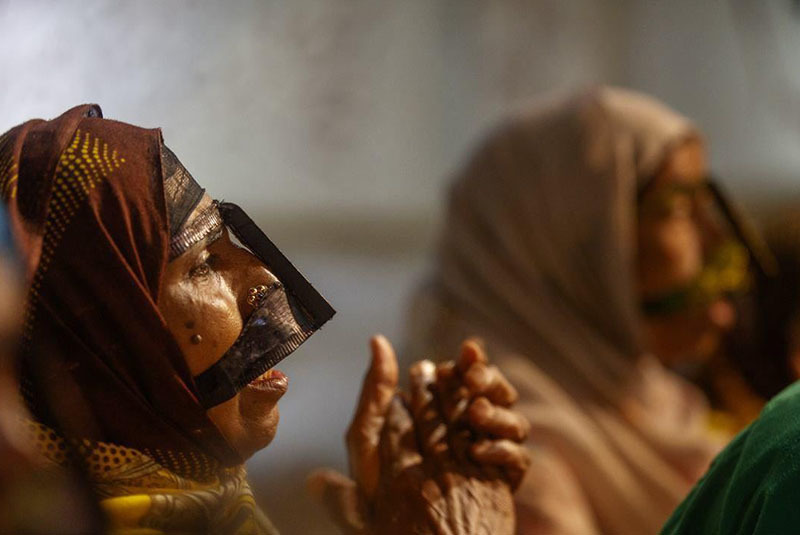
In southern coastal regions of Iran such as Qeshm Island, people believe in the existence of winds that can be either vicious or peaceful, believer (Muslim) or non-believer (infidel). The latter are considered more dangerous than the former and Zar belongs to this group of winds. Most types of Zar are very dangerous and cause disease, discomfort, and at times serious illnesses for the victim. Everyone is subject to the action of the Zar, but the poor and the deprived seem to be the most common victims. These beliefs are common to many areas in south and southwest Iran, including Baluchistan where harmful winds are usually called Gowat (wind or air).

Zar is a disease?

Special ceremonies are held to calm down the Zar and lessen the patient’s symptoms. These ceremonies, called by a leader, bring together the patient and those previously afflicted by the Zar and involve incense, music, and movement. Based on records regarding the Zar ceremony in Qeshm Island, roughly two phases in the ritual can be recognized: separation and incorporation. Preparations for the Zar constitute the separation phase. This phase begins with a person complaining from feelings of disease and discomfort to cult leaders (the male Baba Zar or the female Mama Zar). As some cult leaders have already been possessed by Zars and have managed to control them, they can help others in controlling their Zars.

Baba Zar & Mama Zar

Having opted for a remedy from Baba or Mama Zar, the patient will prepare to stay in isolation for up to seven days. During this period, only Baba Zar or Mama Zar can visit the patient and use specific treatments such as rubbing a combination of aromatic herbs, such as Guraku and Gešt, and spices on the patient’s body. After the separation phase ends, the patient’s body is cleaned and washed, and preparations are made for the incorporation phase. Members of the cult inform everyone about the upcoming ceremony and, as it is considered a sin not to attend a ceremony, every member of the cult attends.

How is it done?

Everyone gathers in a circle with the patient in the center while a piece of cloth, with eggs, dates, confetti, and aromatic herbs, is spread on the floor. After the patient’s head is covered with a piece of white cloth to keep him/her from the glances of strangers, a tray holding aromatic herbs on charcoal is passed around and the patient and the participants are frequently incensed with the smoke from the mixture. The Zar leader takes the lead on music (drums) and is followed by musicians and others present. The leader usually knows the name of the Zars and the music (specific beat of drums) that goes with them. Baba or Mama Zars also sing and the participants respond in turn. During the singing of the incantations, which can be in different languages or dialects or pure melodic sounds containing no discernible words, a Zar makes itself known by means of a sign that is recognized by the possessed person, who then feels a strong inner urge to move. Every piece of music goes with a specific spirit; with each type of music, some members of the cult may start moving and shaking. If there is no reaction from the patient, musicians change the tune until they see a reaction that helps the healer identify the spirit who has taken over the afflicted. The reaction is usually expressed as a swinging of the upper body, vertical movements of the head, and the shaking of the shoulders. When the Zar is identified, the healer starts a conversation where she/he tries to find out what the spirit wants in exchange for leaving the patient alone. Mama Zar or Baba Zar speak with the spirit through the patient and ask the Zar about the reasons behind the affliction as well as its demands for leaving the patient alone.

The belief among the cult is that if the Zar’s wishes are not granted, the Zar will return and create more problems for the patient. If the demands of the Zar can be easily obtained, they are quickly attended to through the initiation of a ceremony with music, food, and the offering that the Zar has demanded. Otherwise, the demands will be met at a later time in a similar ceremony. For example, if the Zar asks for a sacrifice or blood, there will be a ceremony where the sacrificial animal is brought in (with the patient riding it) and slaughtered, after which the blood is drunk by the leader and the patient. At this point, the incorporation phase is completed, the patient becomes a member of the cult and is expected to participate in all future ceremonies. These ceremonies may take up to seven days beyond the separation phase. Members of the cult must follow certain rules regarding their outfits (clean and white) and must adhere to prohibitions on the touching of corpses (animal or human), the drinking of alcohol, sex with unlawful partners Selling or letting go of the object the Zar has asked for is prohibited as well; if the Zar has asked for an outfit or an accessory, the patient must have that particular outfit/accessory on in all future ceremonies. It is believed that if these rules are broken, the Zars will rise again, thus necessitating another ceremony to appease them.

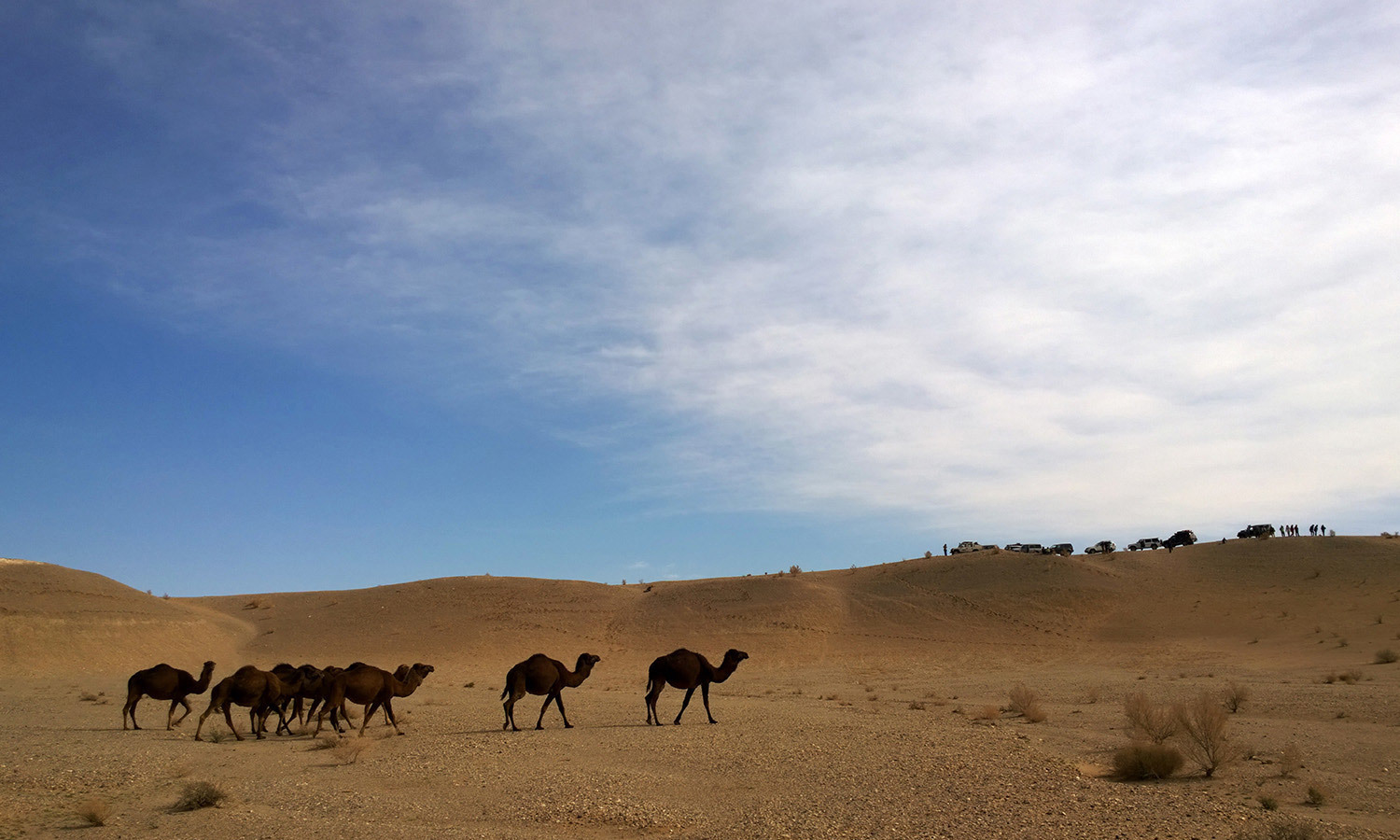
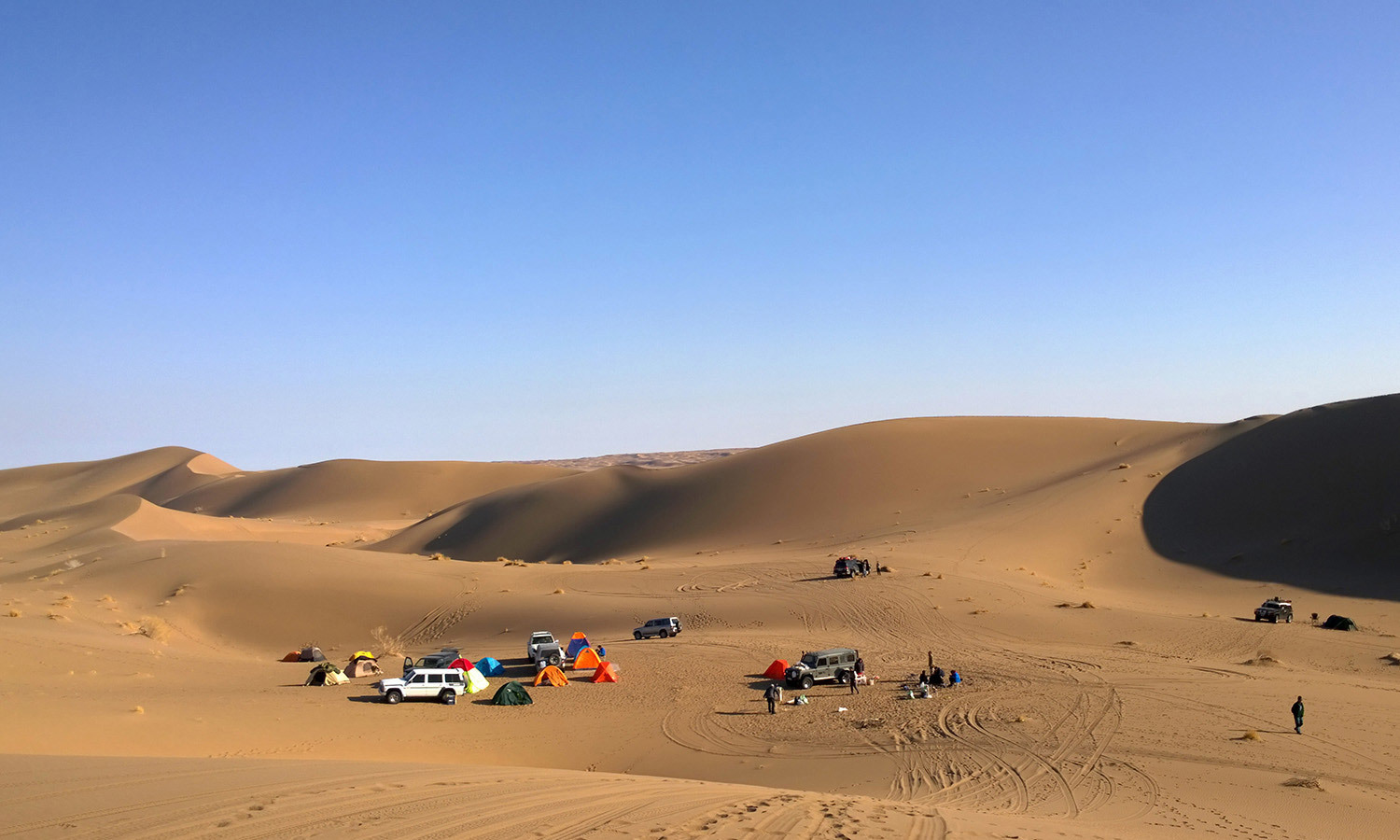
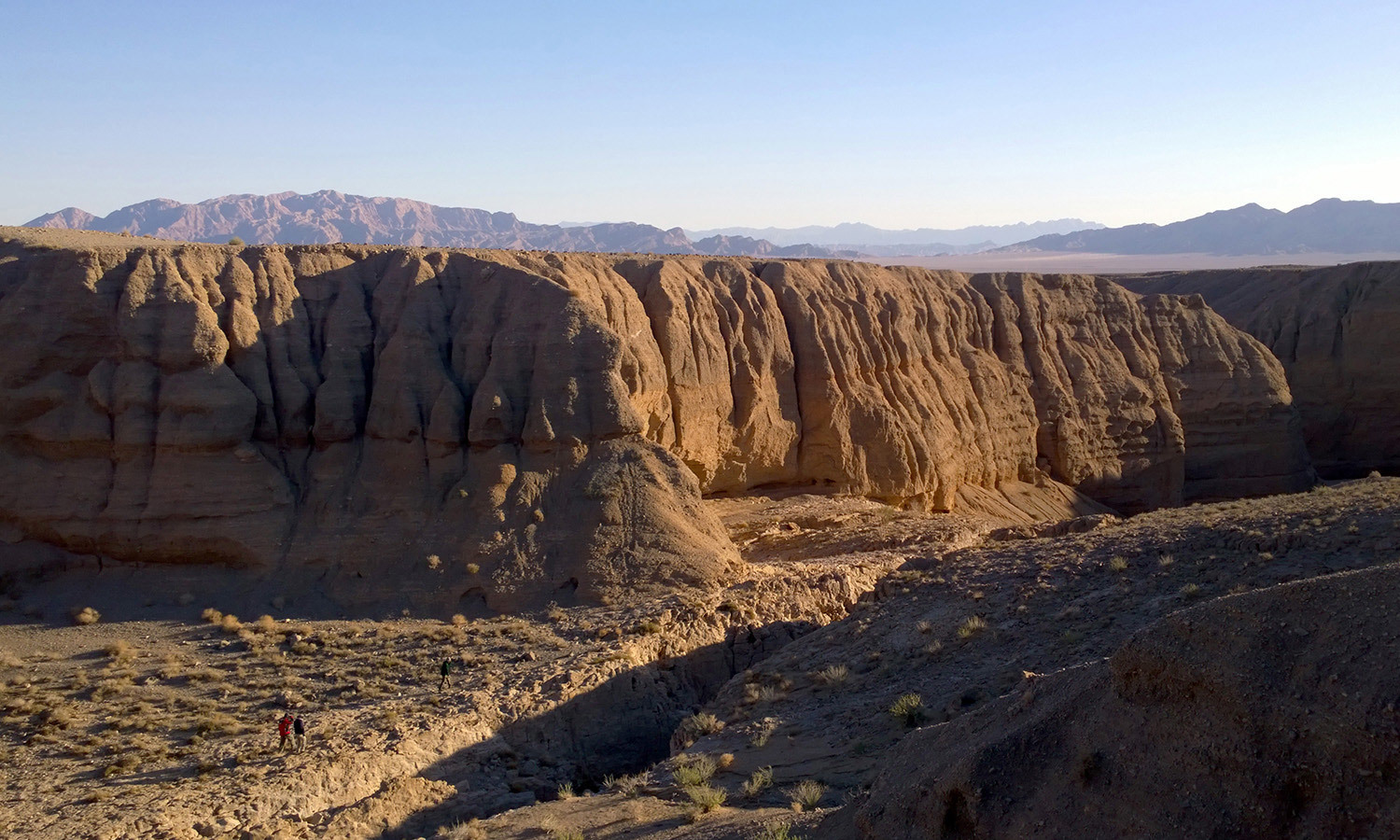
Mesr Desert

The Mesr Desert is located in the far east of Isfahan province in central Iran, 420 km far from Isfahan, and 371 km far from Yazd. Mesr is a desert and also an oasis in the central desert of Iran, Dashte-Kavir.

Reaching the Mesr Desert is easy, although you need to change directions several times from the major cities of Iran, around 250 kilometers drive onto the Naein-Tabas road from Isfahan west to east. After passing Farokhi and Nasrabad villages, there is a sign showing off-road direction:” Toward Mesr.” Upon 43 kilometers drive from the sign across the sand hills, three green spots will appear from far, similar to three emeralds next to each other.

Mesr desert is one of the most beautiful and also one of the hottest deserts in Iran.

A few moments later, while the absolute silence of desert is your only company, you will find yourself in the first emerald land, Amirabad. The road is totally flat which is considered as one of the wonders of Iran’s central desert and surprises every Eco-tourist. The sand hills around the village are known as “thrones” since strong wind has shaped the surface, forming strange and attractive figures. Amirabad is a vast and prosperous farm with a deep well. Mesr’s residents are the owners of Amirabad, where even a drop of water is as precious as gold; the well provides drinking and agricultural water for Mesr.

Mesr desert is one of the most beautiful and also one of the hottest deserts in Iran.

By exploring Amirabad, for a moment, you completely forget that you are in the center of a desert. As if you are walking in a village in northern Iran: The weather is pleasant and cool and the wheat and barley farms are green, specially in the spring. In Amirabad, the road is split and the left road goes across the golden sand hills to Jandagh, a city on the Na’in-Tabas-Damghan main road. The right path directly goes to the second emerald, the center of Mesr.

Mesr desert is one of the most beautiful and also one of the hottest deserts in Iran.

Mesr desert is one of the most beautiful and also one of the hottest deserts in Iran.

Mesr desert is one of the most beautiful and also one of the hottest deserts in Iran.

Booming Tourism in Iran in New Presidency!

Since the Islamic Revolution of 1979, Iran has been a no-go area for most tourists. Even today, moral enforcers are watching the streets of Teheran checking the inhabitants’ behavior. But recently, increasingly large amounts of foreign tourists have arrived to the country.

There has been a full-fledged hype around Iran-tourism since 2013 – which has been validated by multiple travel companies. Demand has been so high that additional programs had to be set in place. Gebeco, a large tour operator for study- and experience-traveling, talks about a „large boom” in Iran-tourism since 2013. Almost all study tours for Spring 2016 are already booked out. Gebeco stated that their revenue from trips to Iran have doubled once more. Iran has become a trend destination.

Other tour operators are experiencing similar growth as well. Study tour operator Studiosus confirms. While there were roughly 500 bookings in 2013, the number of trips to the Islamic Republic increased to 2700 in 2015. “With no evidence of stopping anytime soon,” according to Studiosus-spokesman Frano Ilic. According to the statements made by the travel company, Iran is their currently most popular long distance travel destination. Despite this high number of bookings, the country however is far from populated by tourists – there is no mass tourism in sight.

Especially popular are the cities of Teheran and Schiras (or Shiraz), the city of gardens and poets. From there, you can easily drive to the royal city Persepolis, which is one of the most attractive ruin cities of the world. Another highlight in Iran is Isfahan: With its many colorful mosques and the world’s second largest square; it is one of the most important culture cities of the Middle East.

Guided group tours around Iran have the benefit that guides can explain and remind you of the rules of Sharia. In practice, this means that women need to dress appropriately and wear a headscarf, men need to dress conservatively as well. Furthermore, there is a strict ban on alcohol and sexual contact outside of marriage. Tourists need to be aware of all of this when they visit Iran. Single travelers need to be especially careful since they are solely responsible for their own safety.

Especially those interested in culture will find Iran to be an exciting travel destination. However, one should be clear that Sharia laws very much shape the travelers’ experience. Iran is still a place that requires a certain amount of caution. Speaking your mind about current political developments can bring your trip to a bad and premature end – and you could get into police custody sooner than you would think, which is especially hard to get out of. Despite lots of improvements, Iran is still a country where tourists should take care to avoid any unwanted trouble.