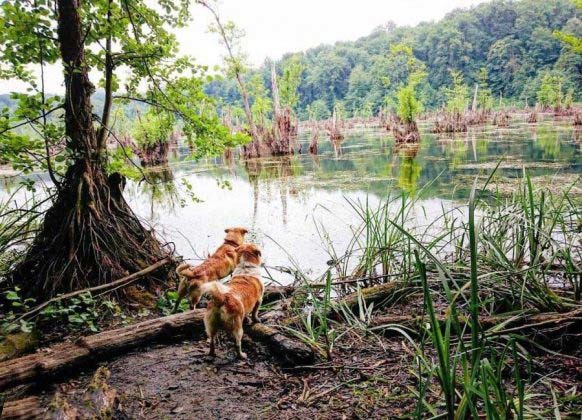
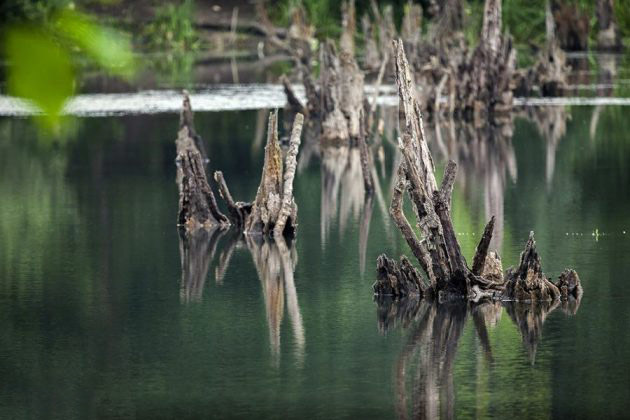
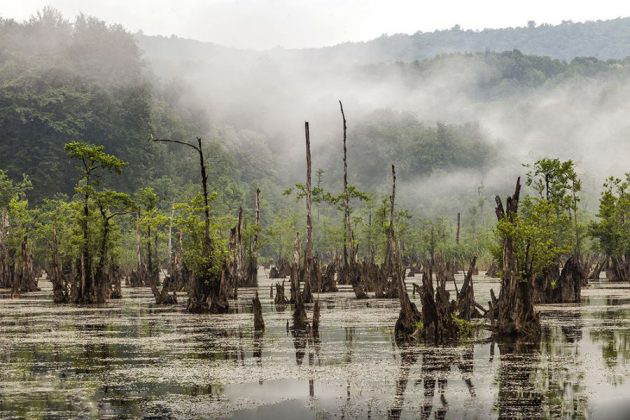
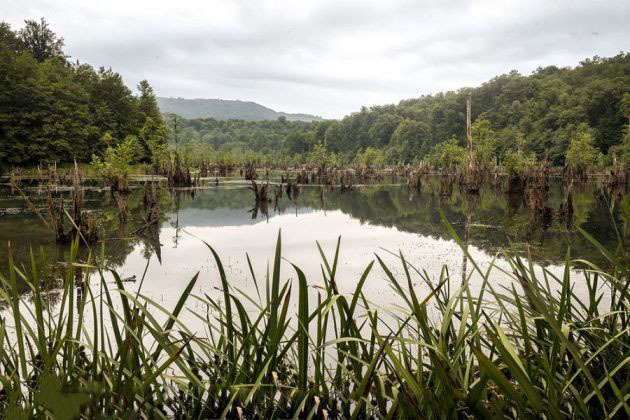
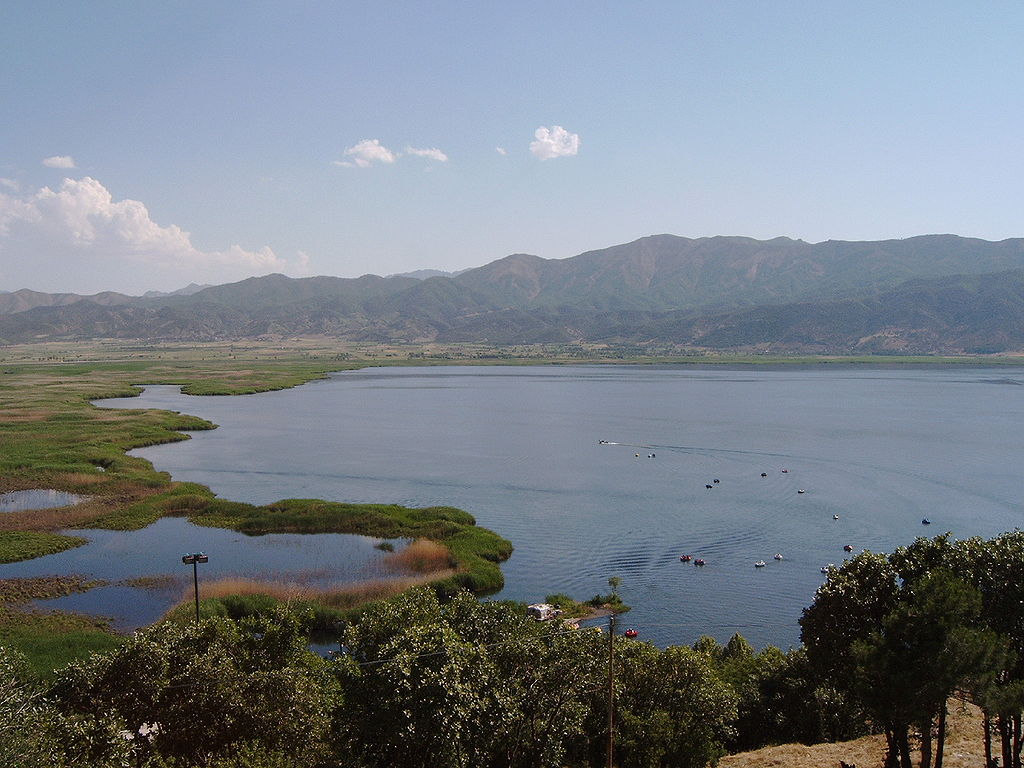
Mamarz Lake in Iran’s Mazandaran province is widely known as the Ghosts Lake thanks to its horribly calm appearance.

If you are interested in off-road driving, you can experience it by setting off a journey to Mamarz Lake through a byway.

Throughout most days of the year, the virgin ecosystem of the lake is covered with fog and non-stop far sounds of wild animals. Add to the scene, the presence of dried out trees in the lake making it more and more closer to what is called the Ghosts Lake.

With a length of 700 metres and width of 300 metres, the lake is very attractive. Due to its unique scene and rare beauty, it has been registered as a natural heritage.

One of the main features of Mamarz Lake which attracts the visitors’ attentions is the remains of some old trees in the middle of the lake. They are known as dead trees. As a part of the lake’s nature, the scene contributes to the horrible nature of the lake.

The lake is located in the middle of an eye-catching forest near Nowshahr, which the visitors can enjoy along with the lake’s nature.

Iran says the luxurious train called the Golden Eagle Trans-Siberian Express has arrived in its northeastern city of Mashhad.

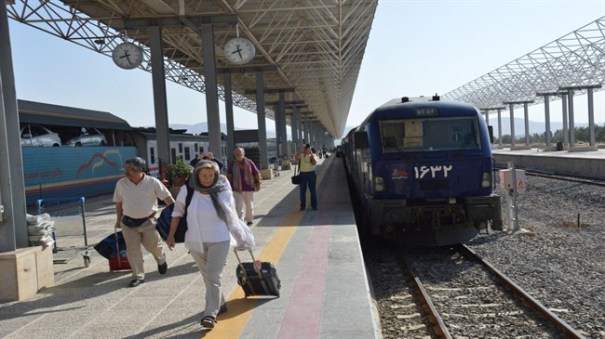
The train which is carrying some 40 international tourists started its journey from Moscow and has already passed through Kazakhstan, Uzbekistan and Turkmenistan.

The tourists are from the UK, the US, Australia, South Africa, France, Taiwan, China and Hong Kong, Russia’s Sputnik news agency earlier reported.

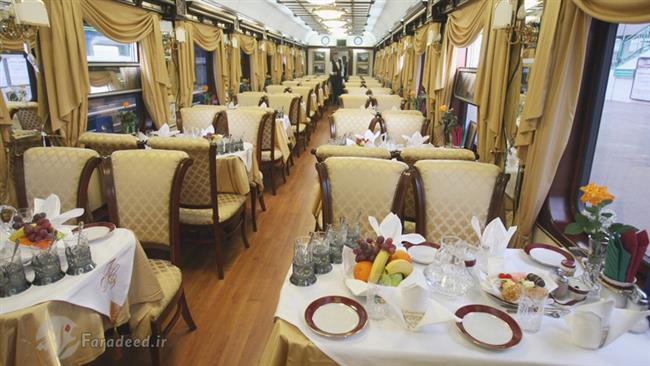
A view of the interior of the “Golden Eagle” train that has just arrived in Iran in a maiden trip that started from Russia.

A view of the interior of the “Golden Eagle” train that has just arrived in Iran in a maiden trip that started from Russia.

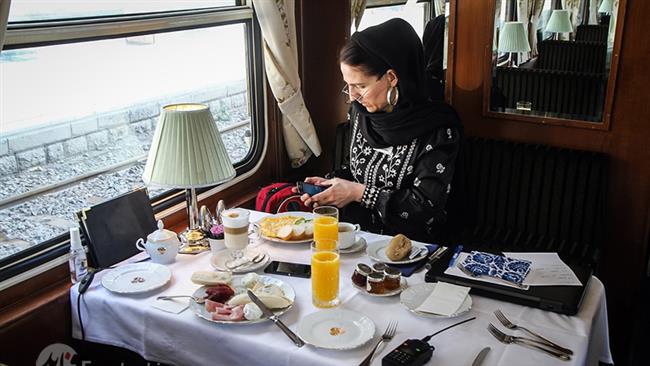
A foreign tourist having breakfast on board the “Golden Eagle” luxurious train while in Iran.

While in Iran, the train will take the visitors to Iran’s tourism hubs of Kerman, Yazd, Isfahan, and Shiraz. The train is expected in Tehran on 27 November where it will stay for two nights. It will later return to Mashhad and then to Turkmenistan and further on its way back to unwind its 18-day tour.

.

.

The main route of the Trans-Siberian Express – which is equipped with a 4 to 5 star hotel service – was always through Russia, the Trans-Siberian route, as well as the Silk Road through Central Asia. It represents the first train from Russia to arrive in Iran in decades.

The Trans-Siberian Express had to change the cars and truck wheels, so they fit the Iranian track which has a different gauge of railways than that of Russia.

Tim Littler, the president of Britain’s Golden Eagle Luxury Trains Limited that operates the railway cruise to Iran, had earlier told Sputnik news agency that the luxurious cruise is not a one-time trip. “This is a real active project that will have a permanent schedule of tours,” Littler had said.

“The luxury train from Moscow to the Persian Odyssey will run on a continuous basis. They will go twice a year. In Iran, the best time to go is in spring and autumn. At other times of the year, it is virtually impossible to conduct tours, as it is either very hot or cold. Therefore, we will travel in October and November and in March and April.”

The Golden Eagle Luxury Trains had already conducted three rail trips to Iran from Europe.

International tourist train arrives in Shiraz

The seventh international Hezar-o Yek Shab (One Thousand One Night) arrived here on Thursday in Shiraz, southern Iran, with 47 international tourists on board.

Tourists come from Germany, Switzerland, Russia, Mexico, Turkey, Finland and Denmark who will complete the tour on April 23 in Tehran.

In Shiraz, passengers from Hezar-o Yek Shab should visit historical and cultural monuments including the Nasir ol-Molk mosque (the pink mosque), the Eram garden, the tombs of Sadi and Hafez, Persepolis, Pasargadae and Naqsh -e Rostam Sites.

It is the 17th international tourist train for visiting Iran since 2014 and the fourth in the last six months.

The train has already visited the cities of Mashad, Yazd and Isfahan.

The Iranian tourism industry has exploded after the establishment of a historic nuclear agreement signed in 2015 between Tehran and the world, six major powers that put an end to severe sanctions imposed on Iran for its peaceful nuclear activities, IRNA said.

With poets like Sa’adi, Hafez, and Khayyam, it’s hardly surprising that Persian is considered to be a poetic language. Iranians commonly refer to it as “the sweet language,” claiming that everything sounds better in Persian. Here are just some of the most beautiful words that will have you falling in love with this language.

Ârezu

Pronounce it like this: â-re-zoo

Write it like this: آرز

Zibâ

Pronounce it like this: zee-bâ

Write it like this: زیبا

Mahtâb

Pronounce it as you see it.

Write it like this: مهتاب

Sokut

Pronounce it like this: so-koot

Write it like this: سکوت

Ârmân

Pronounce it as you see it.

Write it like this: آرمان

Penhân

Pronounce it as you see it.

Write it like this: پنهان

Delsuzi

Pronounce it like this: del-soo-zee

Write it like this: دلسوزی

Nasim

Pronounce it like this: na-seem

Write it like this: نسیم

Jân

Pronounce it as you see it.

Use it like this: Iranians tack on jân after a person’s name as a term of endearment or sign of respect. It can be pronounced jân or joon. Another use is if you ask someone a question, and they didn’t hear you, they say Jân?, instead of ‘What?’ as it just sounds nicer.

Write it like this: جان

Royâ

Pronounce it as you see it.

Write it like this: رویا

Nik

Pronounce it like this: neek

Use it like this: Nik is more than just good as there is a sense of purity in it as well. The three pillars of Zoroastrianism- good thoughts, good deeds, good words- all use nik.

Write it like this: نیک

Ashk

Pronounce it as you see it.

Write it like this: اشک

Bârân

Pronounce it as you see it.

Write it like this: باران

Ârâm

Pronounce it as you see it.

Write it like this: آرام

Sepehr

Pronounce it as you see it.

Write it like this: سپهر

Denj

Pronounce it as you see it.

Write it like this: دنج

Omid

Pronounce it like this: o-meed

Write it like this: امید

Qorbunet beram

Pronounce it like this: qor-boo-net be-ram

Use it like this: Contrary to what you might think, this phrase is not reserved for special occasions, but is used in everyday conversation. Literally ‘I’ll sacrifice myself for you’, it can be used with your loved ones or, in some contexts, as a substitute for ‘goodbye’ and ‘thank you’.

Write it like this: قربونت برم

There’s something calming about water, and stumbling upon a lake while on a hike is general cause for excitement. Iran has a varied landscape, and though it’s probably most associated with mountains and deserts, the country is full of these mini-paradises as well. From salt flats to crystal clear water, we take a tour of Iran’s beautiful lakes.

Caspian Sea

Romans are alleged to have called this a sea due to its saltiness and the name has since stuck, but the Caspian Sea is actually the world’s largest lake. Bound by Iran, Kazakhstan, Russia, Azerbaijan, and Turkmenistan, the Caspian is known for its sturgeon, from which some of the finest caviar comes. Tehranis needing a break from the dry congestion of the capital city thank this body of water for providing them with a bit of humidity and refreshing air during their weekend escapes here. A stroll on the dark sandy beaches and the sounds of lapping waves are sure to revive any weary soul.

Caspian Sea

Caspian Sea

Lake Urmia

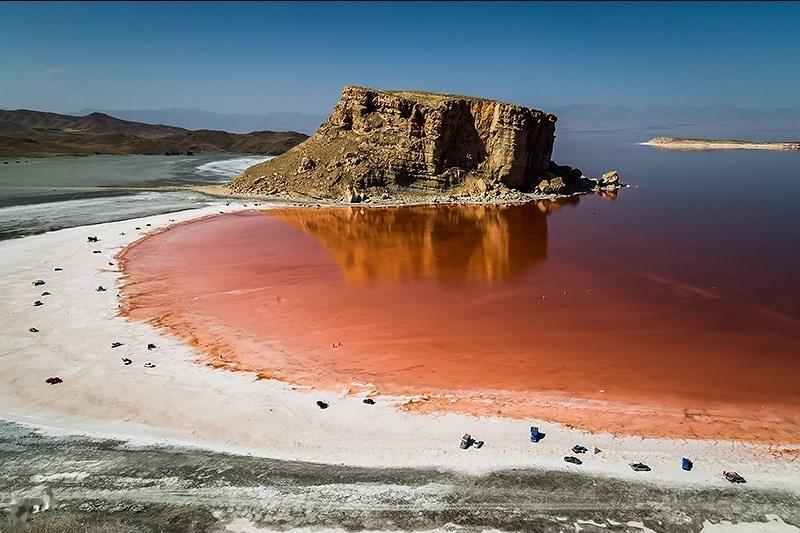
Once the largest lake in the Middle East and a habitat of migratory birds such as flamingos, pelicans, and egrets, Lake Urmia with its 102 islands has shrunken at an alarming rate due to damming of rivers and extraction of groundwater. Located in northwestern Iran, the natural color of this salt lake is blue, but at times it takes a red hue, which is attributed to an increase in algae and bacteria as water levels decline, as well as high salinity and intense sunlight, particularly in summer. Rainfall helps increase the water level and return the color to its natural blue.

Lake Urmia

Lake Urmia

Namak Lake

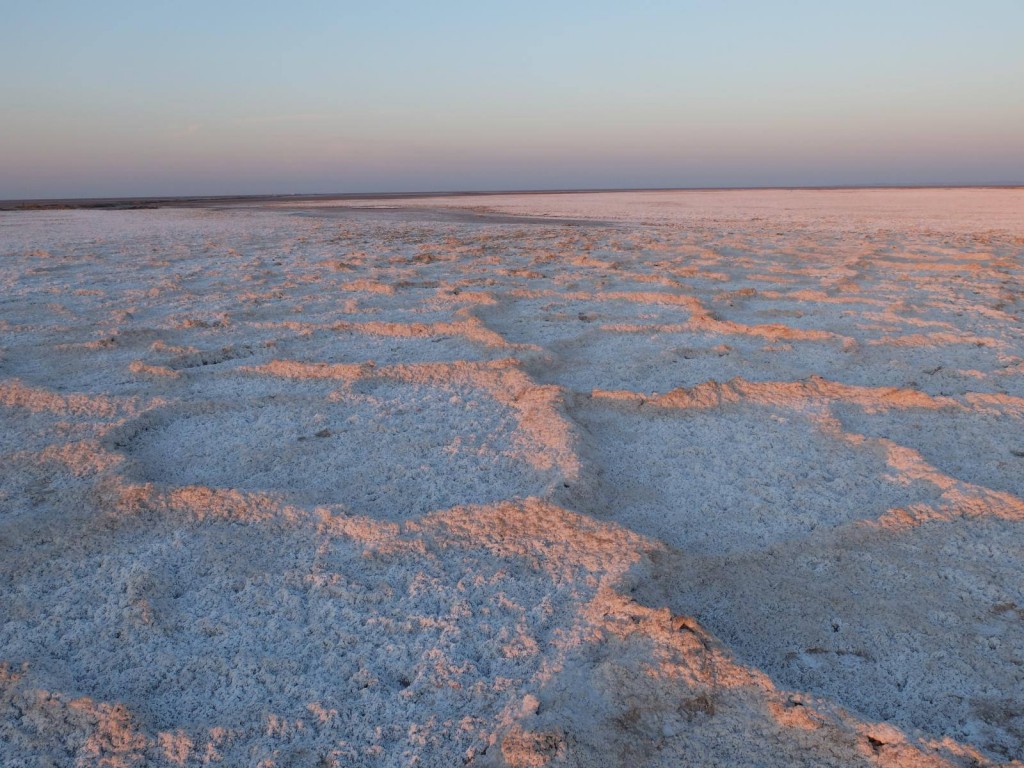
It’s not often that you see a lake in the middle of the desert, but a couple of hours outside Tehran, that’s exactly what you’ll find. About 100 km east of Qom sits a vast, utterly desolate area called Namak (Salt) Lake. Although the surface area measures about 1800 square km, a mere 1 square km of it is covered in water, so you have plenty of terrain to crunch layers of thick white salt as you walk across this lake. The silence and otherworldly feel also make it an ideal spot for some inward reflection.

Namak Lake

Namak Lake

Maharloo Lake

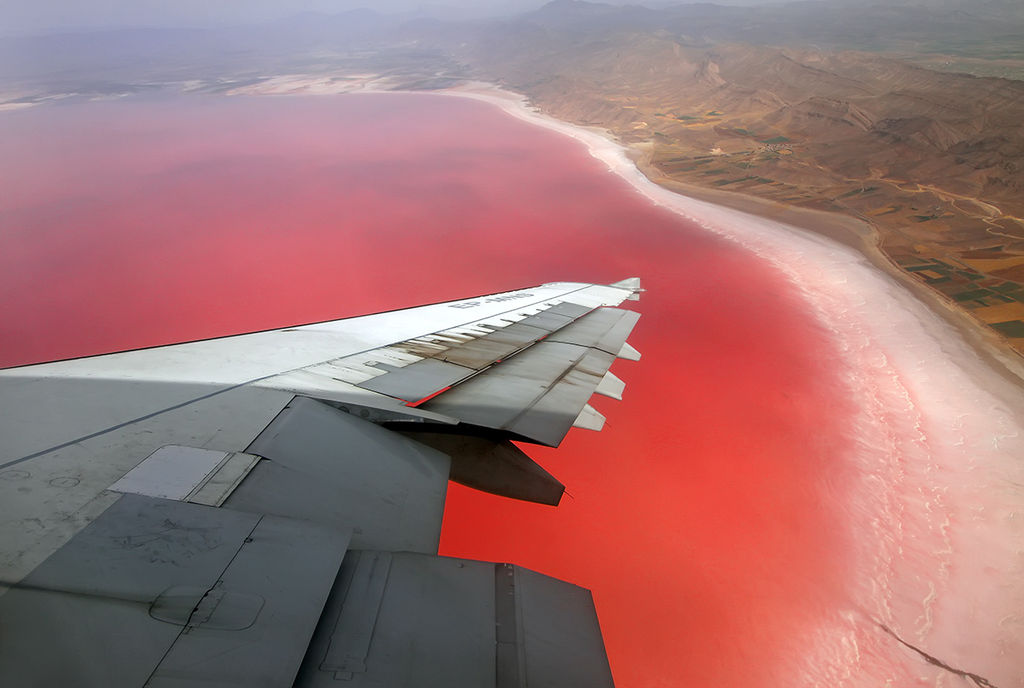
Shiraz is not only home to the “Pink Mosque” but also the “Pink Lake.” Maharloo Lake is another salt lake and once home to migrant birds who have, sadly, diminished as drought has dried this lake up. Much like Lake Urmia though, rainfall helps to restore water levels. Rich in potassium and other salts, the lake turns pink due to a high percentage of pink-colored algae. Those flying into Shiraz can witness spectacular views from above when the lake is full, and those on the ground can enjoy both the lake and the beautiful surrounding scenery. 

lake_maharloo_as_seen_from_mahan_air_airbus_a300

lake_maharloo_as_seen_from_mahan_air_airbus

Neor Lake

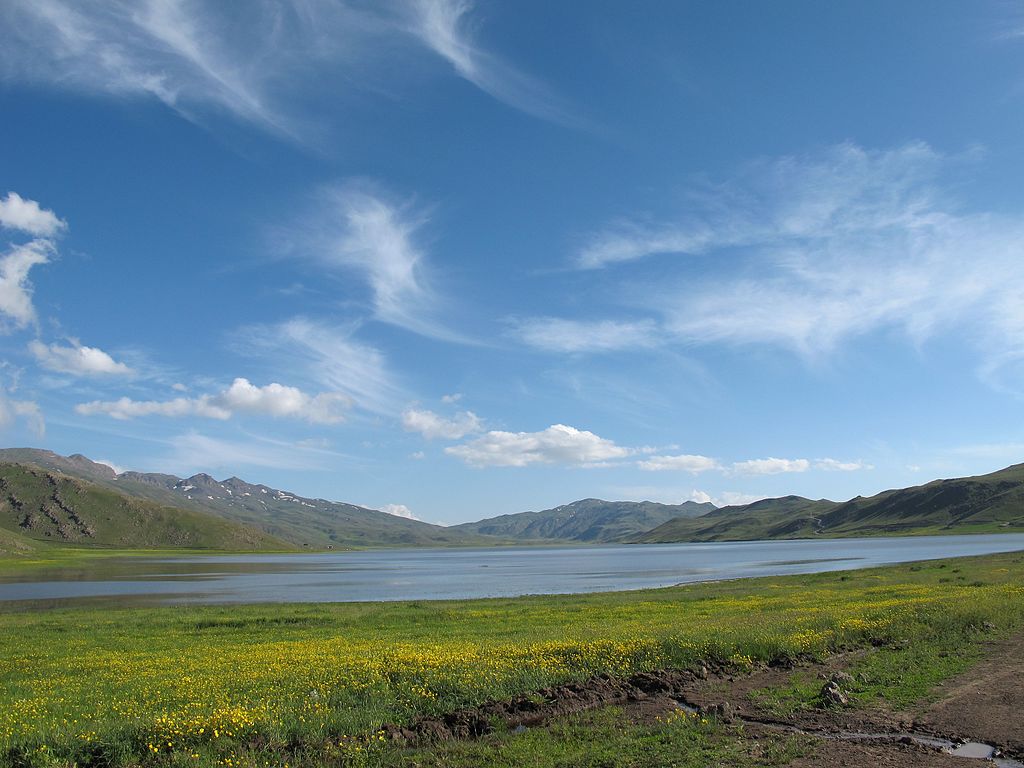
Formed by two fault zones during the Eocene period, Neor Lake is located in Ardabil Province in the Baghrudagh range of the Talysh mountains, a popular hiking spot. This vast, peaceful lake sits at an altitude of 2,700 meters and is actually quite shallow, measuring an average of 3 meters in depth. The smaller and larger basins connect during the rainy season to form a single lake. A habitat of rainbow trout and migrant birds, this lake becomes a popular site for fishing, camping, and other outdoor recreational activities.

Neor Lake

Neor Lake

Gahar Lakes

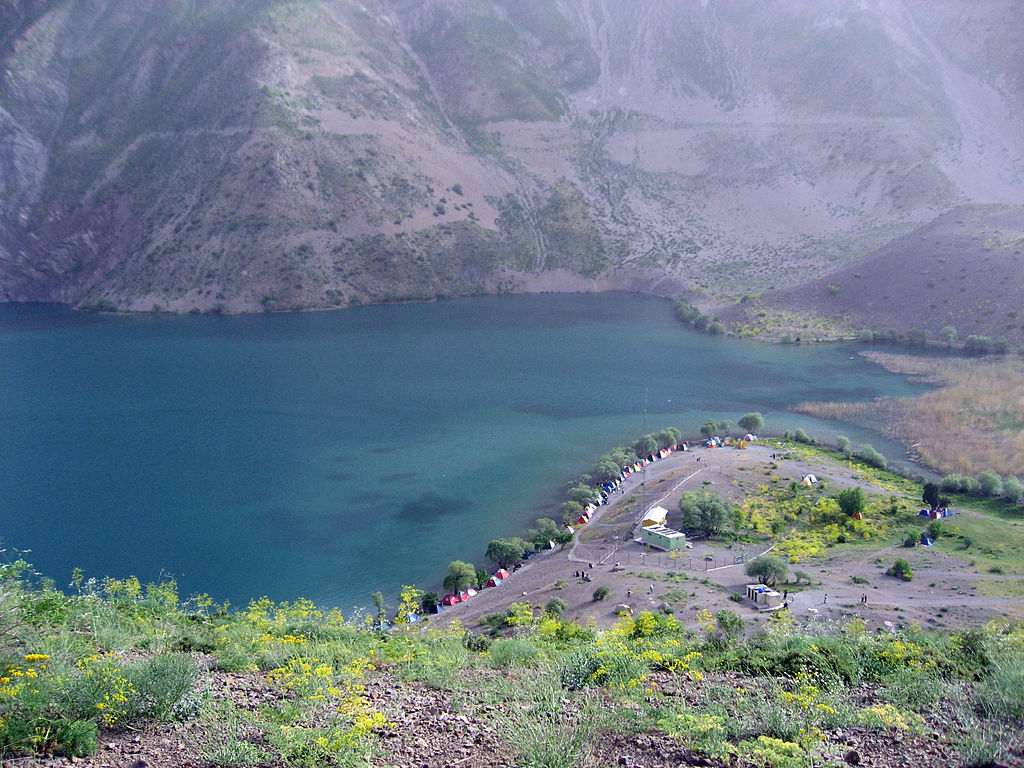
Lorestan Province is known for its natural beauty, and the Gahar Lakes are among its treasures. Divided into Upper and Lower Gahar, just 100 meters from each other, these lakes are located on the summit of Mount Oshtoran in the Zagros range, and are nicknamed “the jewel of Mount Oshtoran”. Because these lakes fall within the Oshtoran protected area with hunting and fishing strictly prohibited, the flora and environment have remained rather unspoiled.

Gahar Lakes

Gahar Lakes

Ovan Lake

This alpine lake is located in the Alborz mountain range, in the famous Alamut area of Qazvin. At 70 square kilometers, Ovan Lake receives heavy seasonal rain and snowfall, and thanks to underground springs, the water usually remains crystal clear. While water activities are possible in the summer, the lake freezes in the winter. Visitors to the historic Alamut Castle or elsewhere in Qazvin won’t regret a picnic stop at this magnificent lake. 

Lake Zerivar

Located in the Zagros Mountains in Kurdistan Province, Zerivar is one of the major tourist attractions in this region, and gets is name from zer, Kurdish for ‘sea’, and var, Kurdish for ‘lake’. Although this fresh water lake is covered in ice for most of the winter, it transforms into a popular and unforgettable camping spot at other times of the year. 

Lake Zerivar

Lake Zerivar

Valasht Lake

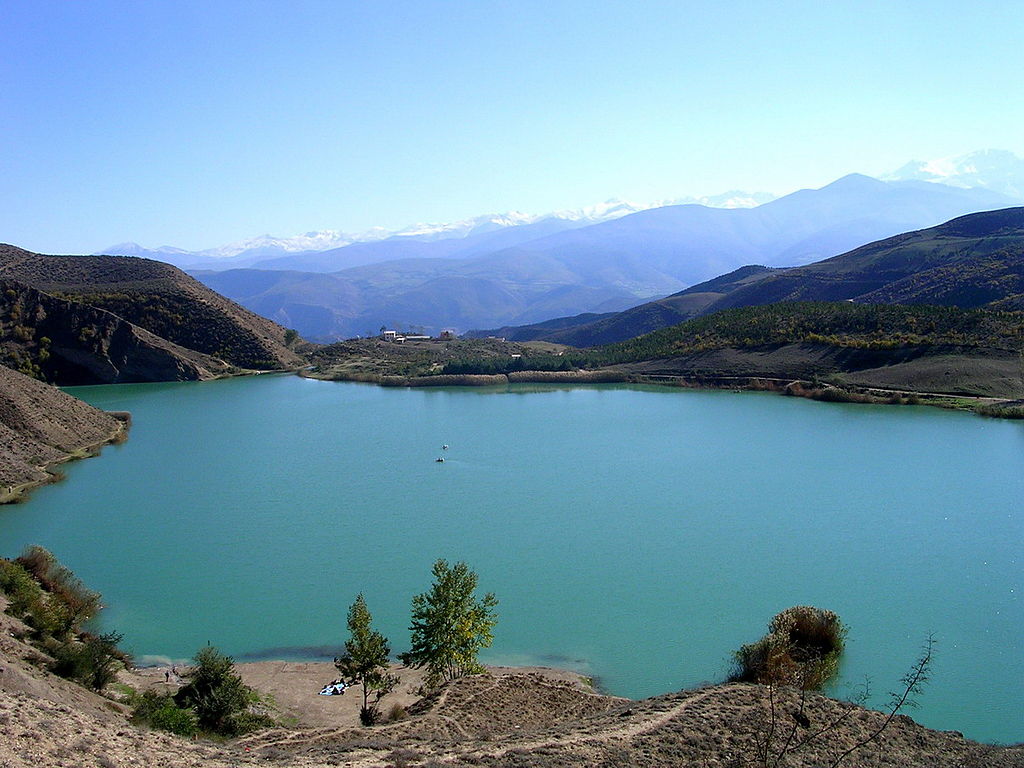
Chaloos Road, one of the main roads leading to the north of Iran, is considered one of the most scenic. Along this route in the Kelardasht area lies Valasht Lake, a habitat for waterfowl. Its proximity to Tehran has made it another favorite getaway for Tehranis. The sea and neighboring forests make for excellent weather conditions and a relaxing, cool spots to camp during the summer.

Valasht Lake

Valasht Lake

Islands don’t usually come to mind when talking about Iran, but in fact, it has several in the Persian Gulf. The largest is dolphin-shaped Qeshm, known as “the island of seven wonders.” Read on to discover 13 reasons why everyone needs to visit this amazing island.

Untouched nature

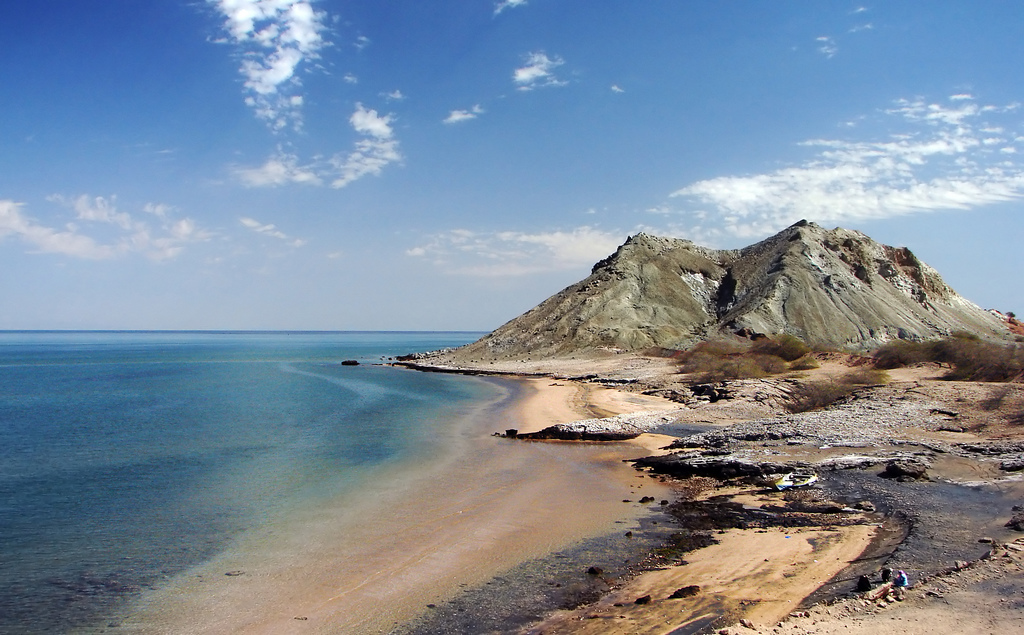
Caves, canyons, forests, and narrow passes, all untouched and as pure as can be, are waiting to dazzle anyone who can stand the beating sun and humidity. Qeshm is a paradise, particularly for nature lovers. 

Untouched nature

Culture

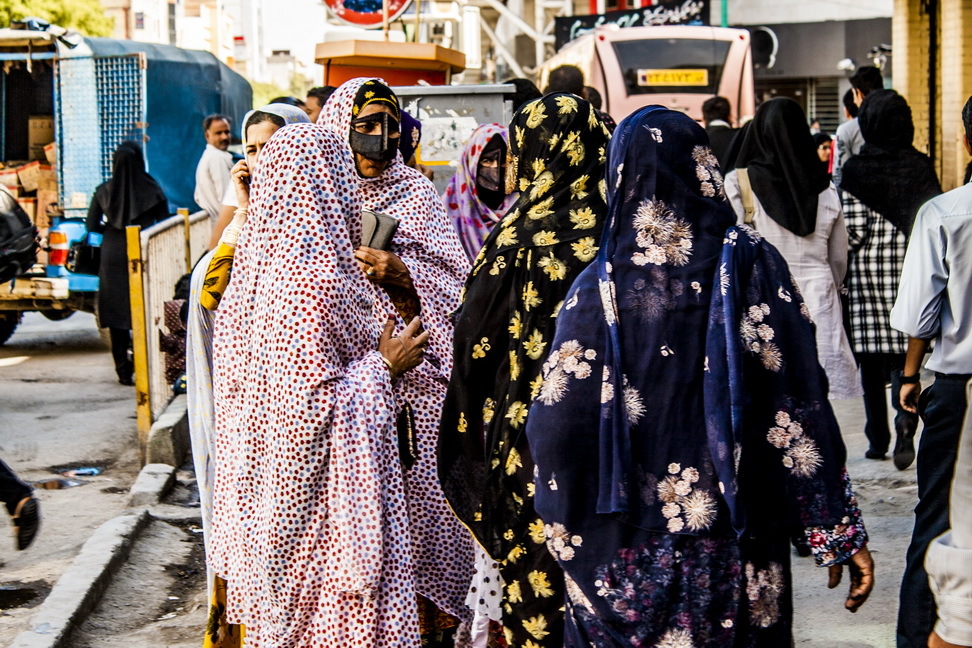
Culture in the southern parts and islands of Iran is unlike the rest of the country. What immediately stands out is the women’s garb. Most women in Qeshm wear two types of niqab, face coverings, which are not for religious purposes, but rather stem from history. One kind resembles thick eyebrows and a mustache from afar; it was a ploy used in the past to trick potential invaders into mistaking women for men. The other is a rectangular embroidered covering that reveals only the eyes and helps protect the face from the wind, sand, and sunburn. Black chadors are a rare sight here, as women opt to wear colorful, floral ones.

Bandari music, or music from southern port cities, also has a unique flavor. It’s very cheerful, commonly played during weddings, and has a distinct dance.

Culture

Culture

People

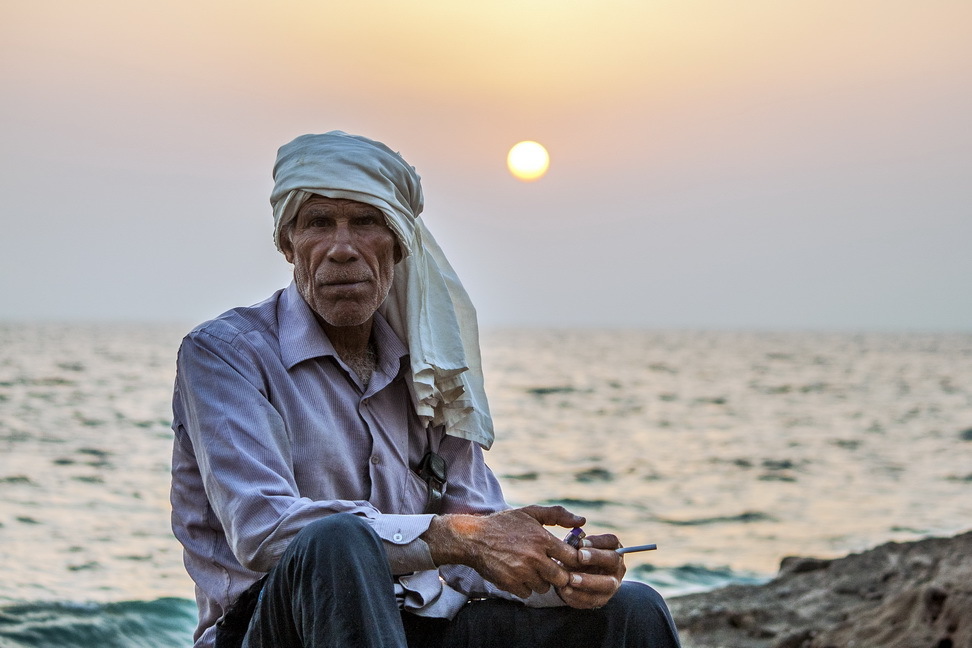
Iranians are ethnically diverse, and a good place to witness this is Qeshm, which also has an Arab and Afro-Iranian population who are descendants of slaves brought here centuries ago or who came to Iran to work as sailors.

People

People

No visa needed

Qeshm is both a duty-free zone and a place where foreign tourists can enter visa-free, making it ideal for those in the Persian Gulf area who want to get a taste of Persian culture and hospitality on a whim.

Seclusion

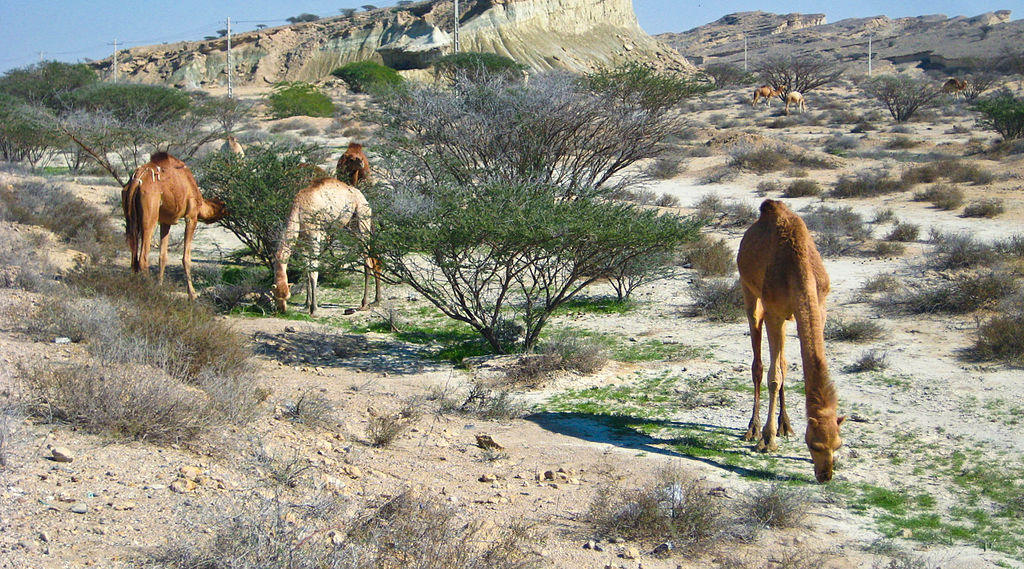
If you ever feel the need to get away from it all, look no further than Qeshm. Aside from shopping areas crowded with people, you’ll feel as though you have the entire island to yourself. It’s not uncommon to explore the attractions without another soul in sight, and while you’re on the beaches, it’s likely that your only other company will be some camels who have also stopped by for some R&R.

qeshm_island_camels

qeshm_island_camels

Affordability

From attractions to accommodations, Qeshm is quite an affordable place to visit. Some of the attractions are free while others have a small entrance fee. Overall, you’ll find this island to be much more low-cost than other cities in Iran, while at the same time offering sites equally as, if not more, appealing.

UNESCO Intangible Cultural Heritage

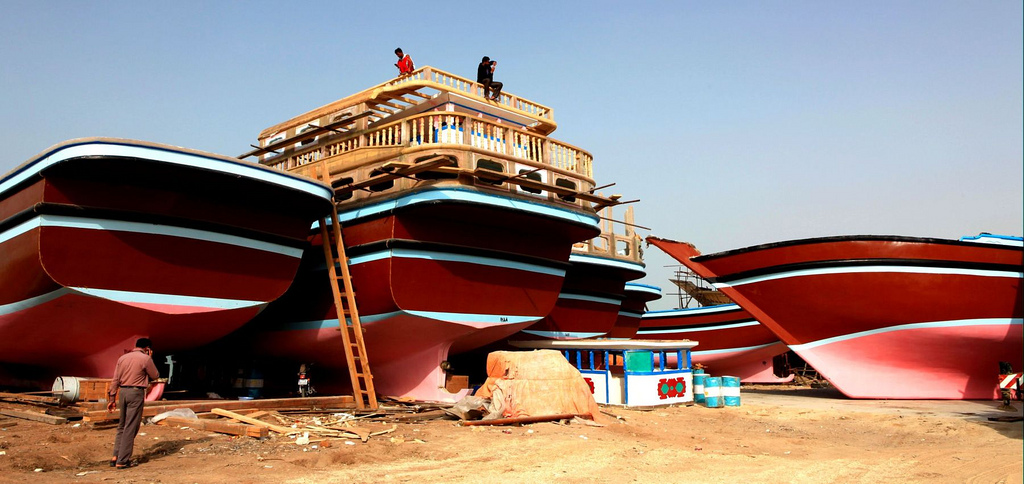
UNESCO has inscribed the art of building lenj, small, wooden boats, on its Intangible Cultural Heritage list, and the best place to catch a glimpse is the shipyard near the village of Laft. These fishing vessels are in different phases of construction, being painted, or setting out on their maiden voyage.

Cultural Heritage

Cultural Heritage

Mystery

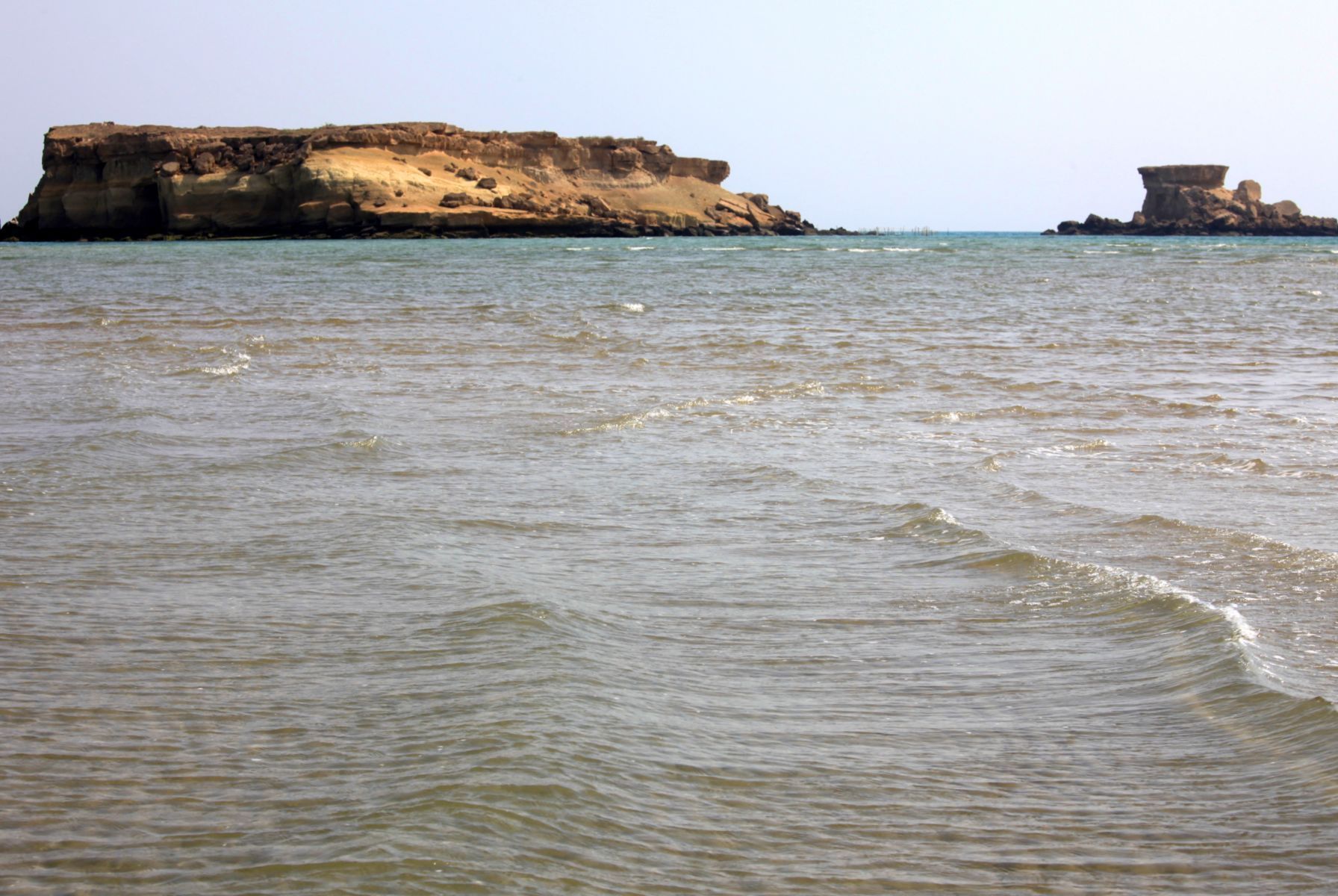
Qeshm is a mysterious locale. The high and low tides of Naz Island are unpredictable, so it’s easy to get stranded at high tide. Hara (mangrove) Forest has a similar phenomenon, and legend has it that Stars Valley is riddled with jinn. In fact, Mani Haghighi’s 2016 film A Dragon Arrives explored some of the mysteries of this island.

Mystery

Mystery

Mystery

Local village stays

Local B&Bs and homestays are also available on this island, many of which offer sightseeing services. While hotels are also plentiful, these low-key accommodations may offer a more genuine and unforgettable experience with locals.

Wildlife and marine life

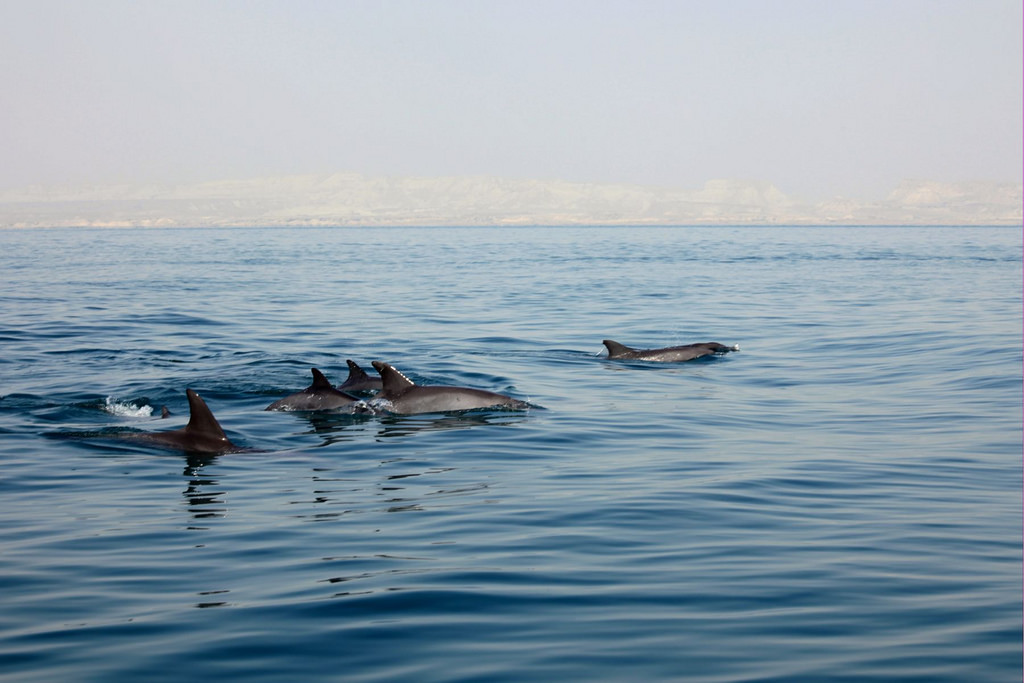
If you set out to Hengam Island early in the morning, you can catch the dolphins who come out to play. A walk around the island brings you face-to-face with native deer who press their hooves into the ground to extract fresh water. The Persian Gulf is full of colorful tropical fish and stingrays, and in Hara Forest, you’ll cross paths with crabs, pelicans, and storks. All along the island, keep an eye out for herds of free-roaming camels who are commonly seen standing along the shore or kneeling in the water and staring out to sea.

Wildlife and marine life

Wildlife and marine life

Quick getaway to other islands

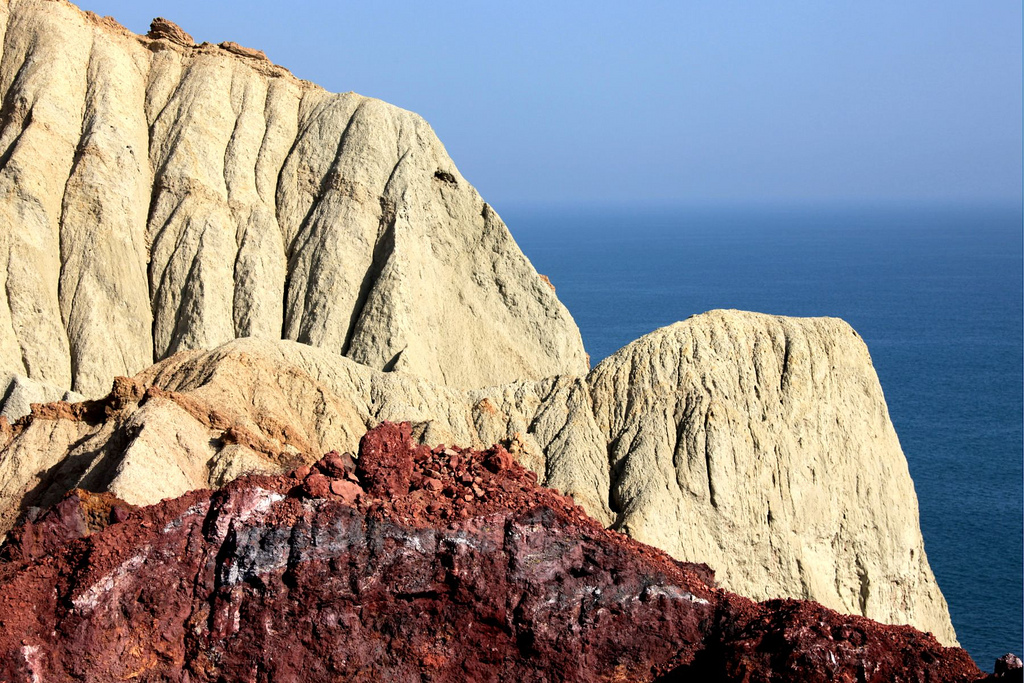
The sites on this 500-square-mile (1,295-square-kilometer) island can keep you busy, but its proximity to other islands makes it easy to explore other beautiful places such as Hormoz Island, a must-see geological wonderland best known for its Rainbow Valley. It’s also worth hopping on a lenj to Bandar Abbas and getting to know this carefree southern port city.

Quick getaway to other islands

Quick getaway to other islands

Laft Historical Port

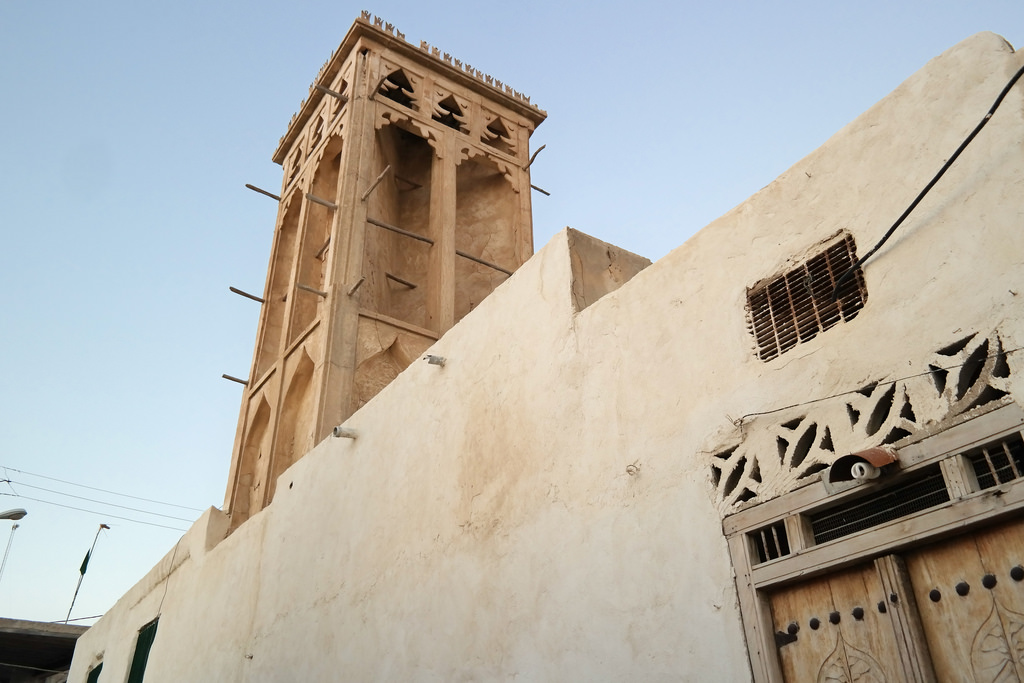
Aside from the natural wonders, you won’t want to miss Laft Historical Port on the northern part of the island. Standing on the hill at the top, you’ll view a breathtaking skyline of badgir, or windcatchers, which are more abundant here than in Yazd. Wells and traditional water reservoirs are among the other highlights.

Laft Historical Port

Laft Historical Port

Mosques

The grand mosques of Esfahan, with their intricate tile work, are hardly what you’ll find in Qeshm, where the mosques are on the more simple side. But there lies an important difference you won’t find in most other parts: one minaret. The majority of island natives are Sunni as opposed to Shia Muslims, and their mosques reflect this difference both in their general architecture and in the number of minarets.

During Mehrabad’s status as Tehran’s international airport, it was Azadi Tower, the sentry to the capital city, that welcomed all visitors. A silent witness to Iran’s major historical events, this tower remains Tehran’s most iconic landmark. Read on to learn a brief history of the Azadi Tower.

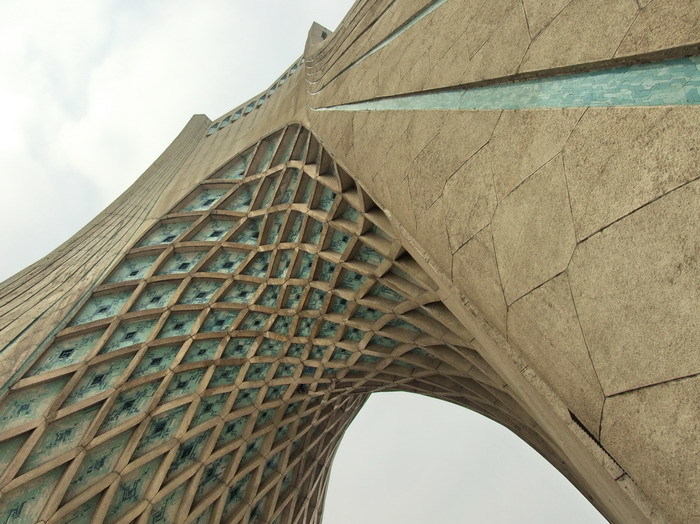
In 1966, 24-year-old architecture student Hossein Amanat won a competition to design a building paying tribute to the 2,500th anniversary of the Persian Empire. The monument, formerly known as the Shahyad Tower, was completed in 1971. Combining elements of both pre- and post-Islamic architecture, the 165ft (50-meter) tall skeleton is clad in 8,000 blocks of white marble from Esfahan that are cut into various geometric patterns. It marks the west entrance to the capital city and stands on a 540,000sq ft (50,000sq meter) cultural complex known as Azadi Square, which integrates principles of the traditional Persian Garden through its immaculately landscaped lawn, pristine flowerbeds, and streaming fountains. All of these elements make Azadi Tower, or Freedom Tower as it’s also known, a favorite spot for foreign tourists eager to Instagram their arrival in Tehran.

Historically, political demonstrations have taken place against the backdrop of Azadi Tower, a solemn onlooker. These days, however, one of the only politically inspired events to take place at this site is the annual celebration of the 22nd of Bahman (February 10th), which commemorates the anniversary of the 1979 Islamic Revolution. On this day, Iranians march from all parts of Tehran, eventually convening at this square.

Azadi Square

Azadi Square

Azadi Square

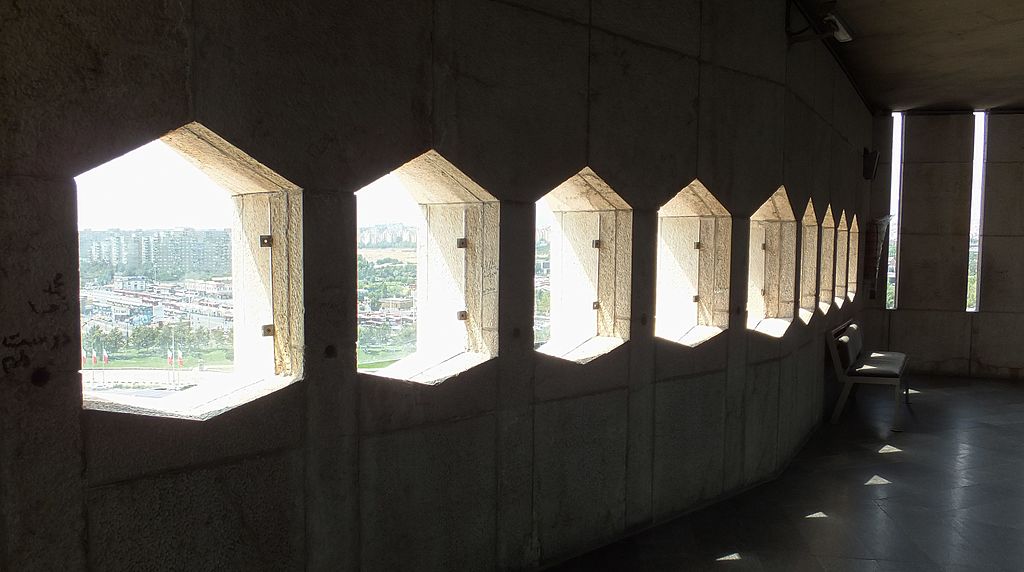
Visitors who fly domestically will catch a bird’s-eye view of this gatekeeper before landing at Tehran Mehrabad International Airport and being swept up by the maelstrom of traffic around the massive square. By taking the stairs or elevator to the top, you can behold buzzing, modern-day Tehran. The crypt museum, on the other hand, displays various ancient cuneiform tablets, ceramics, and pottery, as well as a replica of the Cyrus Cylinder (the original of which is housed in the British Museum). It is also a concert venue during the Fajr  International Music Festival, held every year. In 2015, Tehranis flocked to see German artist Philipp Geist’s Gate of Words, in which Azadi Tower was used as the canvas for a light installation, with words of peace, love, and freedom poetically shone in Persian, English, and German to live music. This has the tower playing less of a political role nowadays and acting more like a cultural ambassador.

azadi

azadi

Although there are some beautiful high-rises and phenomenally innovative villas and residential towers in Tehran, there’s no doubt the most spectacular ones are those that have withstood the test of time. From European influence to modern takes on the traditional, here are 10 of the most impressive buildings in the capital of Iran.

Cinema Museum

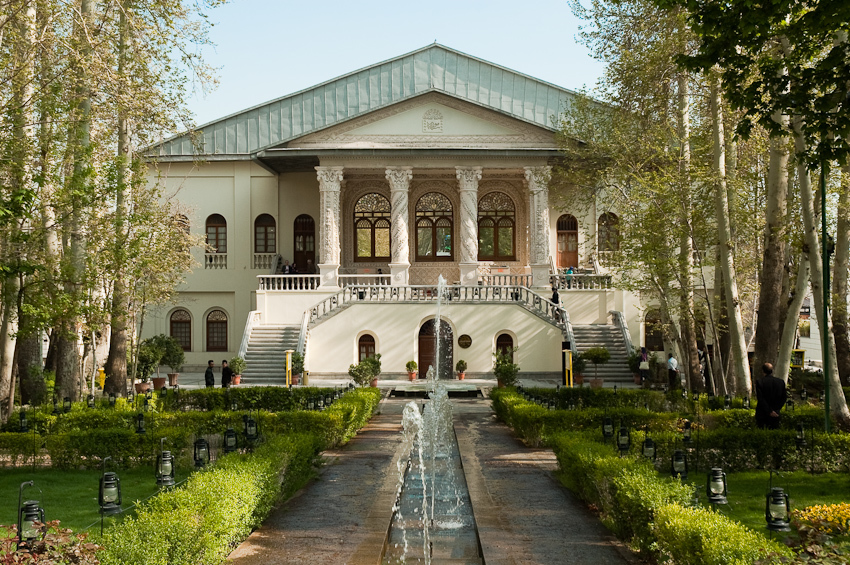
Walking along Valiasr Street, you cannot help but be captivated by a mansion that demands attention. Behind Ferdows Garden sits a Qajar-era estate that houses the Iran Cinema Museum. The most delightful feature is the balcony, with its walls and columns adorned in detailed floral plasterwork and arched wooden-framed windows. The exhibitions take you through Iran’s century-old film industry, and the surrounding cafés allow you to admire the building (and check out Tehran’s artsy crowd) a little longer as you sip on some tea.

Cinema Museum, Valiasr St., behind Bagh-e Ferdows, Tehran, Iran,
Cinema Museum

Cinema Museum

Saraye Roshan

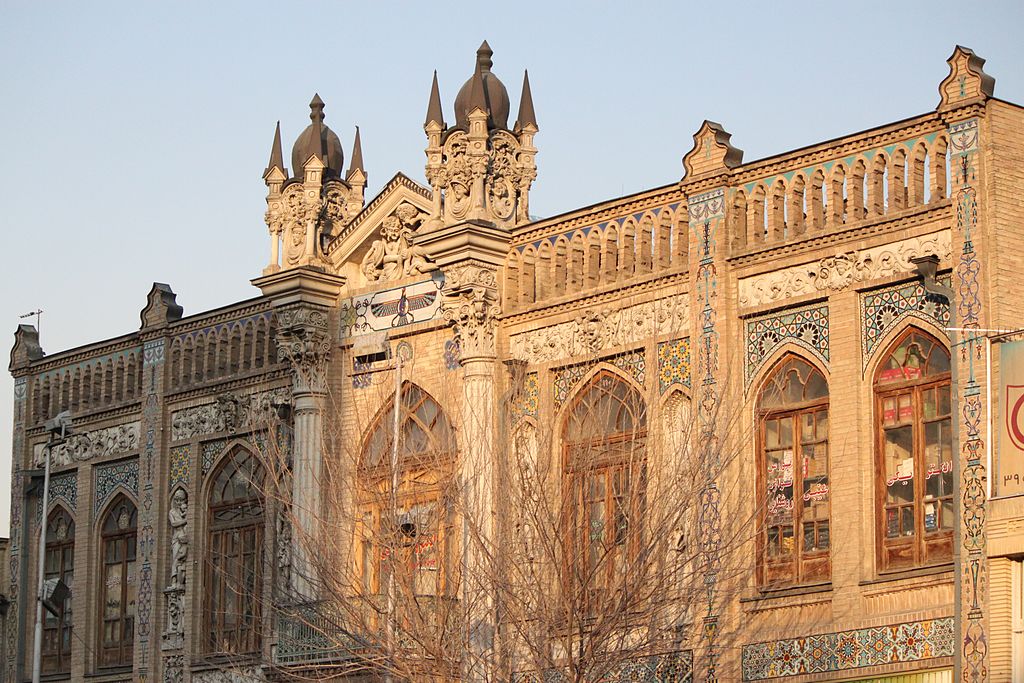
On Naser Khosrow Street, one of the oldest streets in Tehran, stands the bewitching Saraye Roshan. Established in 1932 as one of the first commercial centers, this gothic-inspired building is strikingly unusual in the setting of Iran. While the faces and statues, nearly nonexistent elsewhere in Iran, are more reminiscent of European architecture, the symbol of Zoroastrianism in the center, Ahura Mazda, gives it a distinctly Persian flavor. 

Saraye Roshan, Naser Khosrow Street, Tehran, Iran
Saraye Roshan

Saraye Roshan

Tamasha-gah Zaman

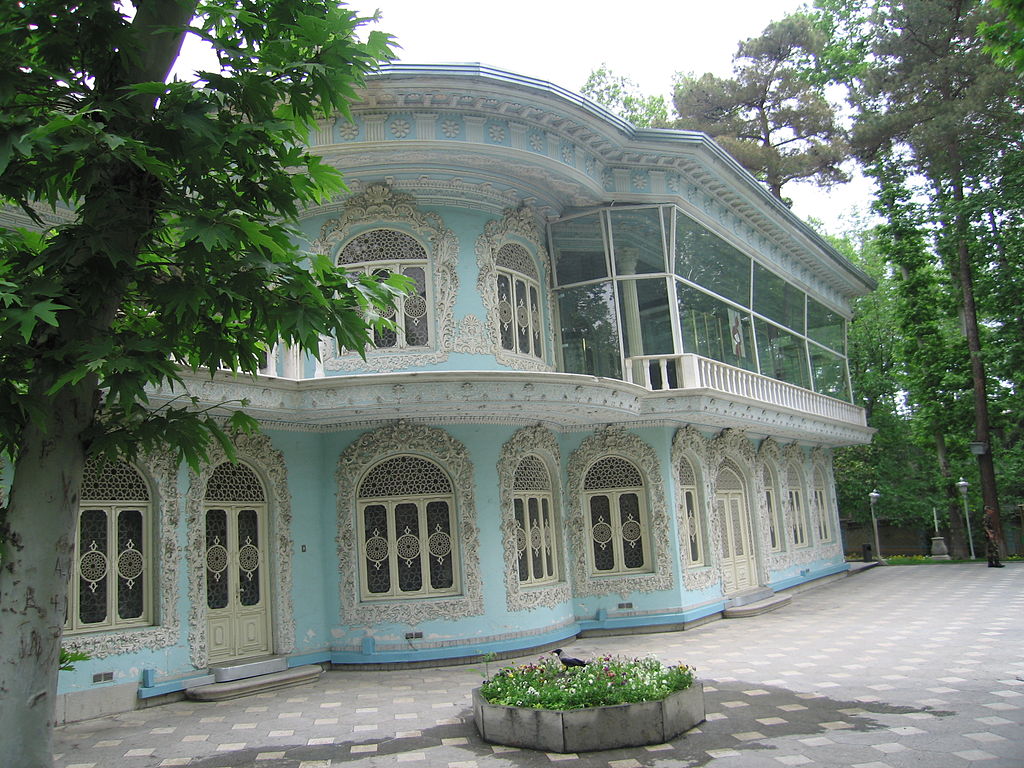
Sitting amidst a luxurious Persian garden, the Time Museum not only has an extensive collection of timekeepers, but the building itself is the epitome of authentic Iranian architecture. This 80-year-old manor once belonged to Hossein Khodadad, a well-known Iranian merchant, but now serves as a museum to showcase numerous clocks and watches. The pastel-blue exterior boasts windows that resemble cream-colored lace, and the inside does not cease to dazzle with it decorated ceilings, plasterwork, and colorful orosi (stained-glass) windows.

Tamasha-gah Zaman, Zaferaniyeh St., between Kafiabadi St. and Baghdadi St., Tehran, Iran,
Tamasha-gah Zaman

Tamasha-gah Zaman

Abgineh Museum of Tehran

The remarkable Glassware and Ceramic Museum is housed in a beautiful Qajar-era building constructed 90 years ago by Ahamd Qavam as his private residence and work office. It later served as the embassy of Egypt, before turning into a museum in 1976. It gracefully blends European and Iranian architectural styles with a Russian staircase to connect the first and second floors. The ornate plaster, carved wooden columns, and crystal chandeliers make the interior of this building just as beautiful, if not more so, as the exterior.

Abgineh Museum of Tehran, 30th Tir St., Tehran, Iran,
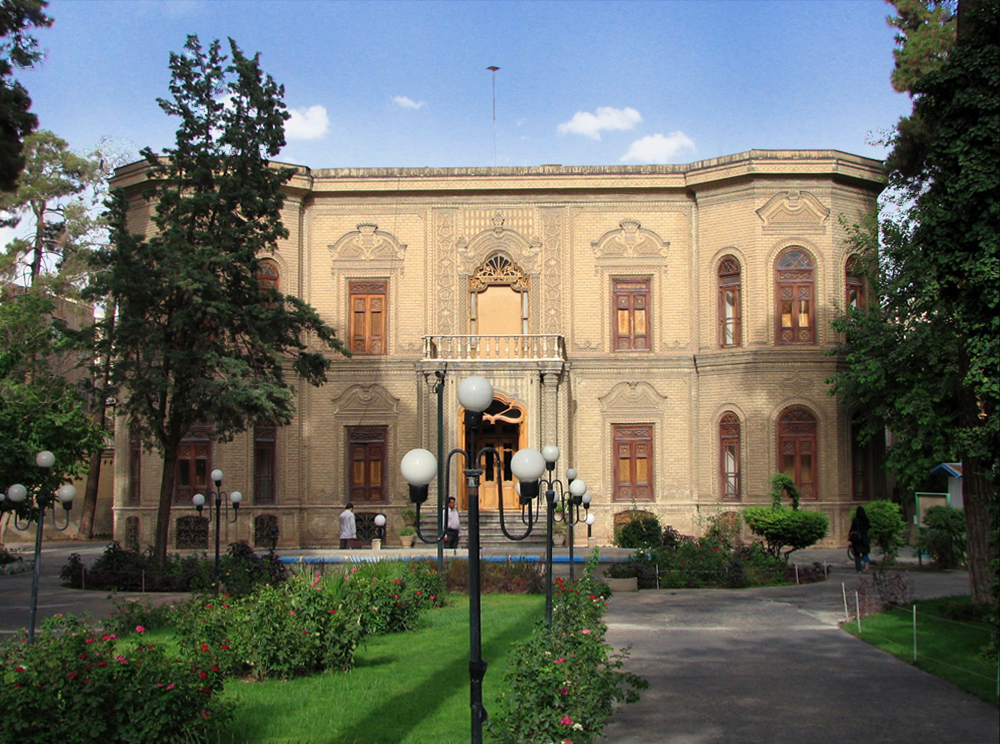
Abgineh Museum of Tehran

Abgineh Museum of Tehran

Golestan Palace

Declared a UNESCO World Heritage Site in 2013, Golestan Palace consists of a group of royal buildings that once served as the seat of government during the Qajar era. It exemplifies a fusion of Persian and Western design, with immaculate archways, mirrored halls and ceilings, and decorative tiles all placed within the confines of a lavish Persian garden. Words don’t do justice to the ancient Persian badgir, windcatchers, and exquisite varied mosaics bordering the rounded windows, which are among the many highlights. 

Golestan Palace, Panzdah-e Khordad Square, Tehran, Iran,
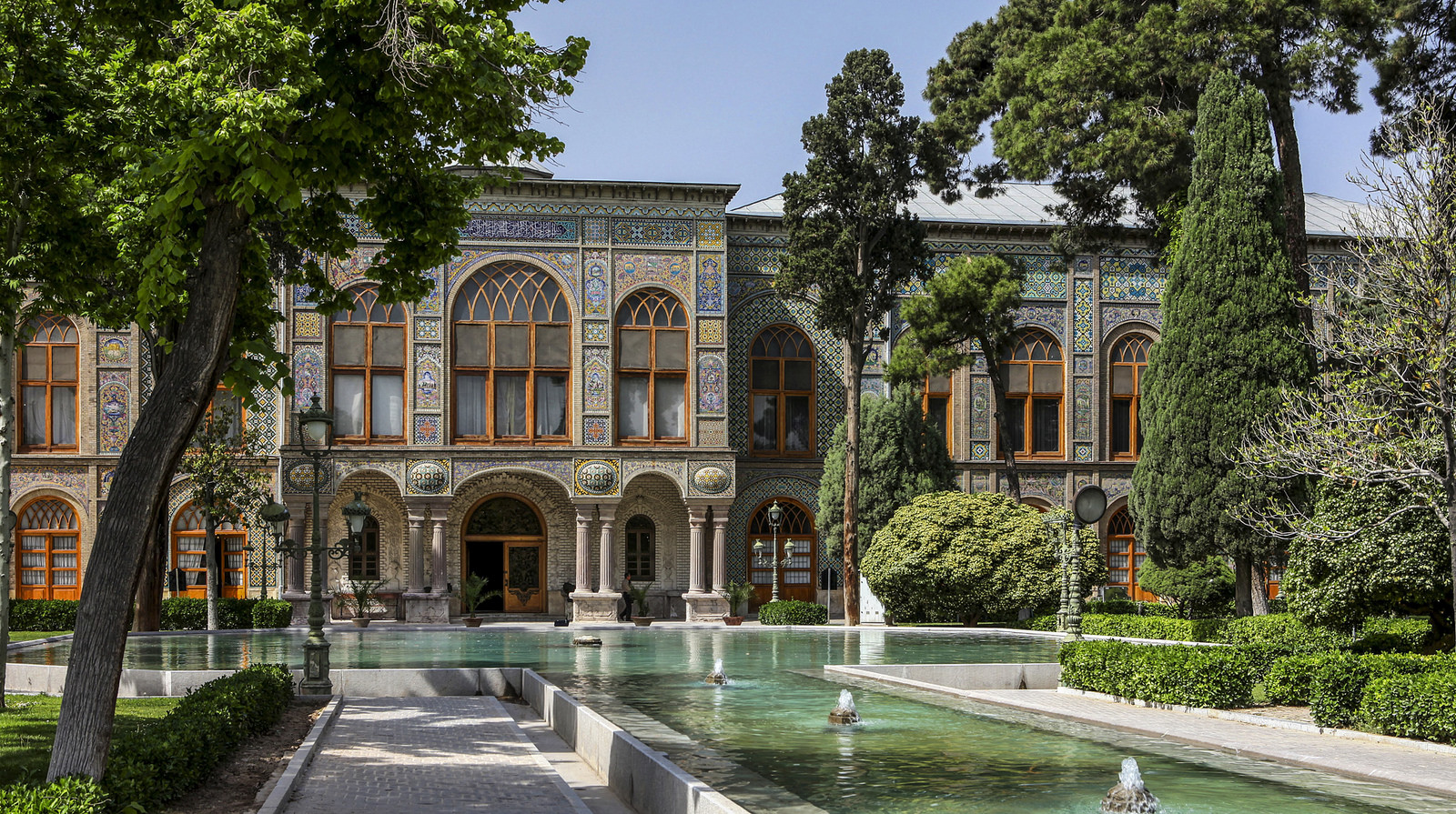
Golestan Palace

Golestan Palace

Shams-ol-Emareh

Although it comprises part of Golestan Palace, Shams-ol-Emareh, or Edifice of the Sun, is a masterpiece deserving its own recognition. The monarch Nasser-ol-Din Shah started with the idea to build a tower that gave a panoramic view of the city, and in 1867, construction was finished two years after it began. Twin two-tiered towers sit atop the structure with arched windows, intricate tile work, and an open hall in the center. Though it’s not possible to climb to the top, it’s easy to imagine Nasser-ol-Din Shah’s success in achieving his desired view.

Shams-ol-Emareh, Panzdah-e Khordad St., Tehran, Iran
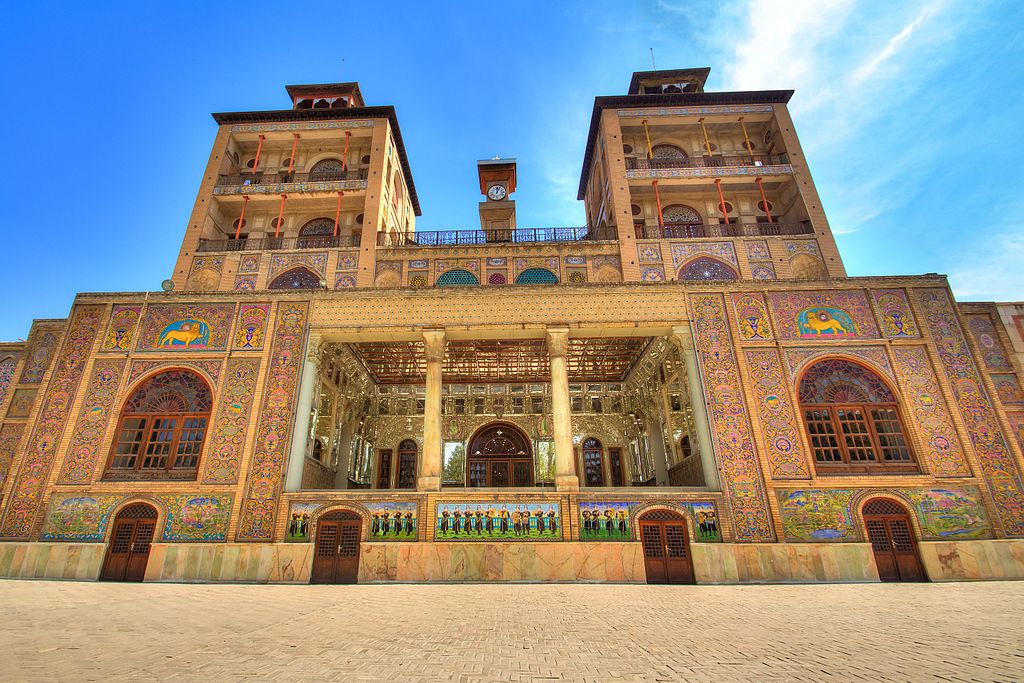
Green Palace

Green Palace

Green Palace

One of the buildings of the Sa’ad Abad Complex and perhaps the most beautiful is the Green Palace. It was built at the end of the Qajar era and later remodeled by Reza Shah, serving as his residence for one year, before turning into a guest house. Brought from mines in the Zanjan and Khorasan provinces, the marble used to construct its exterior has a unique hint of green. Just as elaborately designed are the interiors, with a mirror hall and a Persian rug woven over a period of seven years, among their other ostentatious features.

Green Palace, Sa’ad Abad Complex, Alborzkooh St., Tehran, Iran
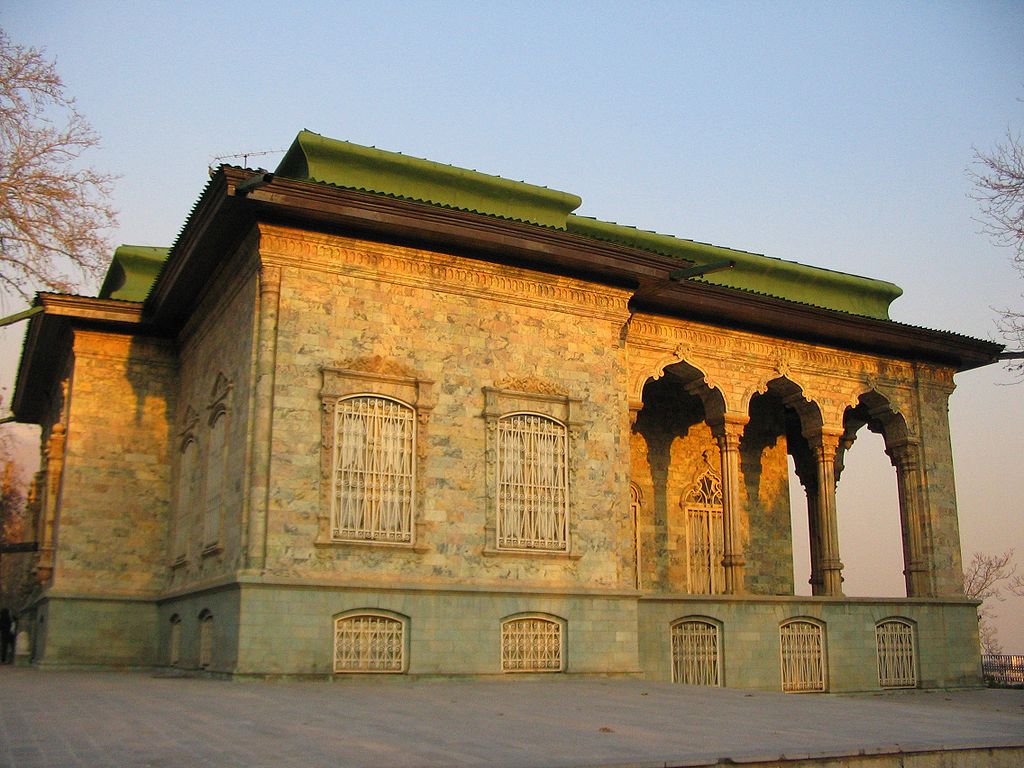
Green Palace

Green Palace

Tehran Museum of Contemporary Art

The largest art museum in Iran, Tehran Museum of Contemporary Art is an impressive concrete feat in itself. To design this building, architect Kamran Diba was inspired by integrating traditional Persian architectural elements with modernity. This is particularly embodied in the four structures sitting atop the building, which resemble a modernized twist on the windcatchers of ancient Persia.

Tehran Museum of Contemporary Art, North Kargar St., Tehran, Iran,

Tehran Museum of Contemporary Art

Tehran Museum of Contemporary Art

Masoudieh Palace

Masoudieh Palace is one of the most beautiful historical buildings of the Qajar dynasty. Built in 1879, this palace has witnessed many events, including the formation of the first ministry of education and the establishment of the first official library. Among its characteristic traits are the plasterwork, mosaics, and gardens. Today, it’s a popular spot with visitors brunching in its cozy cafe with stained glass windows, before walking around to snap some photos of the picturesque edifice.

Masoudieh Palace, Mellat St., Tehran, Iran
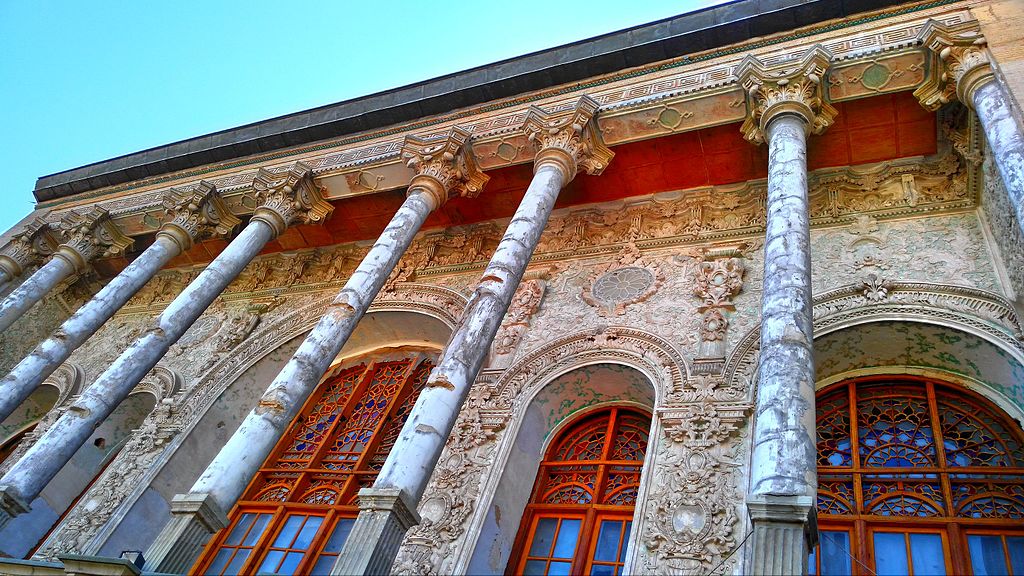
Masoudieh Palace

Masoudieh Palace

Teatre Shahr

Built in 1972, City Theater deserves regard for its cylindrical design that combines both the traditional and modern. The standing columns add geometric patterns to the roof, which are then filled in with ceramic tiles. The grand entrance is made of wood, giving it a warm, earthy feel. It contains several stages and continues to be a top venue for the performing arts.

Teatre Shahr, Enghelab St., Tehran, Iran,

ran has plenty of tourist attractions and places that you wouldn’t want to miss by any means, especially on your first trip. But in between these sites, Culture Trip has rounded up a few options that will personalize your experience a bit more and allow you to be among the people and fit in like a local.

Visit the Zurkhaneh

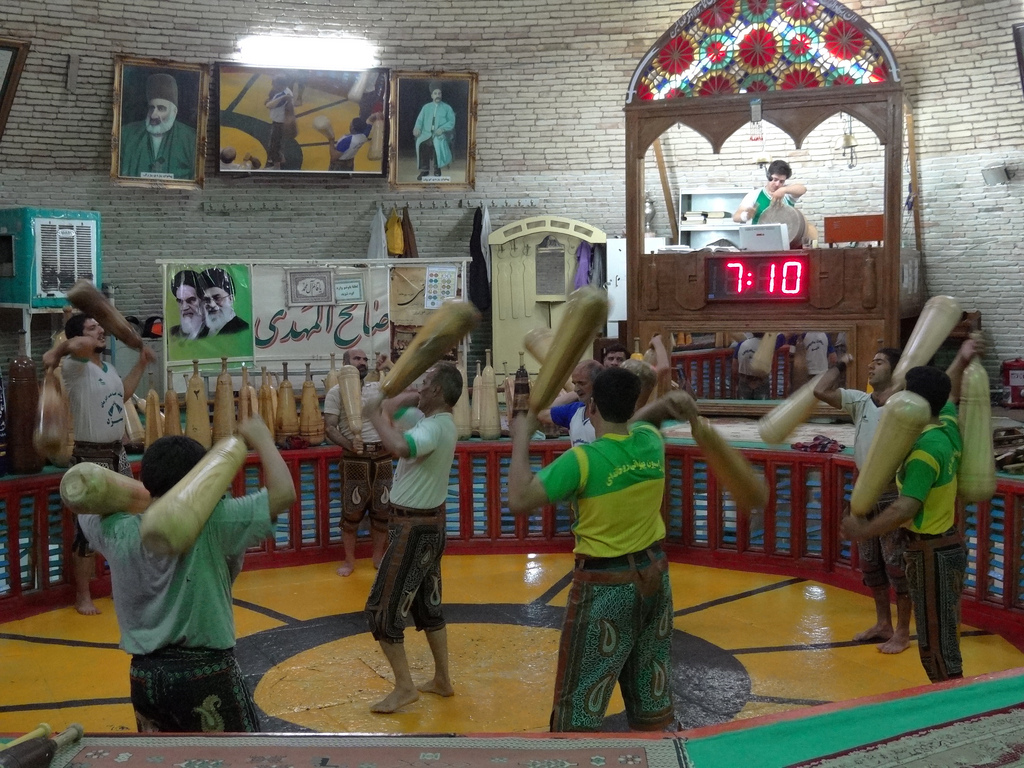
Literally “house of strength,” the Iranian zurkhaneh is an ancient gym where men practice what can be described as martial arts meets yoga. This centuries-old tradition is based on battle and warfare, with much of its equipment resembling such. Standing in a circular pit, the men perform moves to the rhythm and pace set by the morshed, leader, who sits at the top and sings poems of Hafez or the Shahnameh and plays his drum and bell. Though the zurkhaneh is traditionally a men-only locale, Saheb A Zaman in Yazd also allows women to observe. The meditative-like experience is sure to be one of your most memorable.

Saheb A Zaman Club Zurkhaneh, Amir Chakhmagh Square, Yazd, Iran

Zurkhaneh

Zurkhaneh

Catch a play or concert

Tehran has plenty of plays to watch on any given night of the week. And even though famous Iranian actors often star in them, ticket prices are remarkably affordable. Watch an original Persian play or perhaps an interpretation of one of Woody Allen’s. Don’t speak Persian? Look to the universal language of music and try a concert instead. Whether it’s traditional, pop, or the national orchestra, you will easily be able to find something unique in one of the many concert venues around town.

Attend a festival

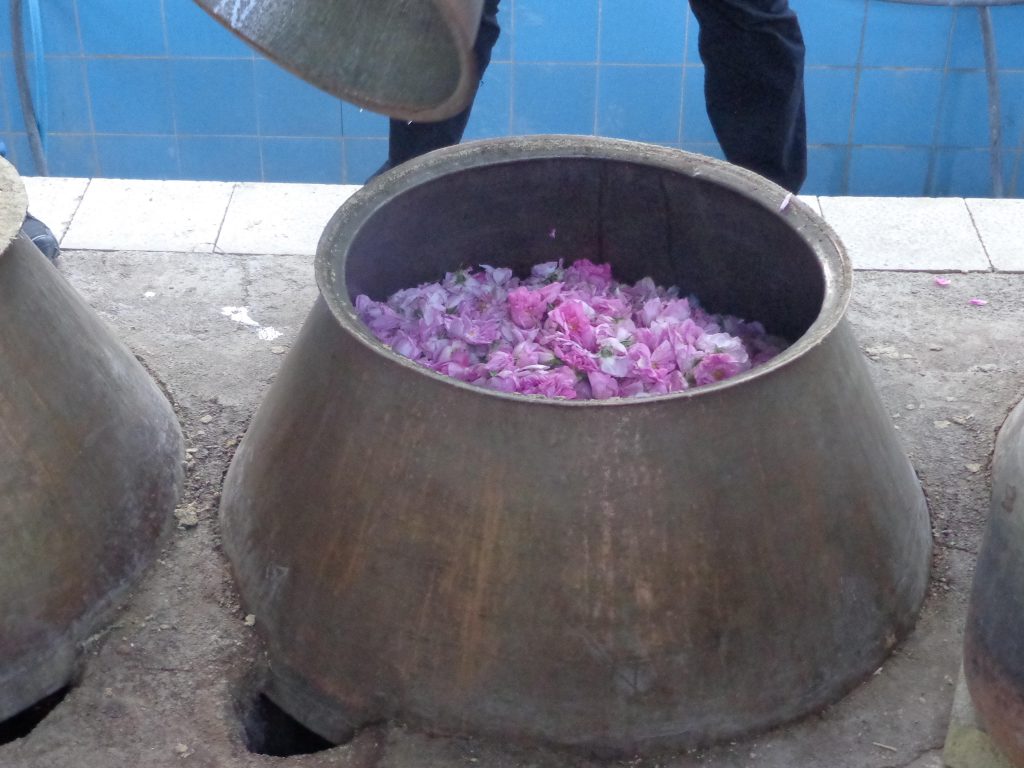
There are numerous cultural festivals and religious ceremonies around Iran in which you may be interested. It might be one of the many Nowruz festivities or the Ashura ceremony, which is best seen in Yazd, or Lorestan where locals engage in kharrah mali, rubbing mud on their bodies in a ritual to commemorate the slaying of Imam Hossein. Elsewhere, Kashan’s rose water festival in the spring is a delight to both the nose and the eyes. Find out what’s happening during your stay.

Attend a festival

Attend a festival

Uncover the secrets of Yazd’s Zoroastrian neighborhood

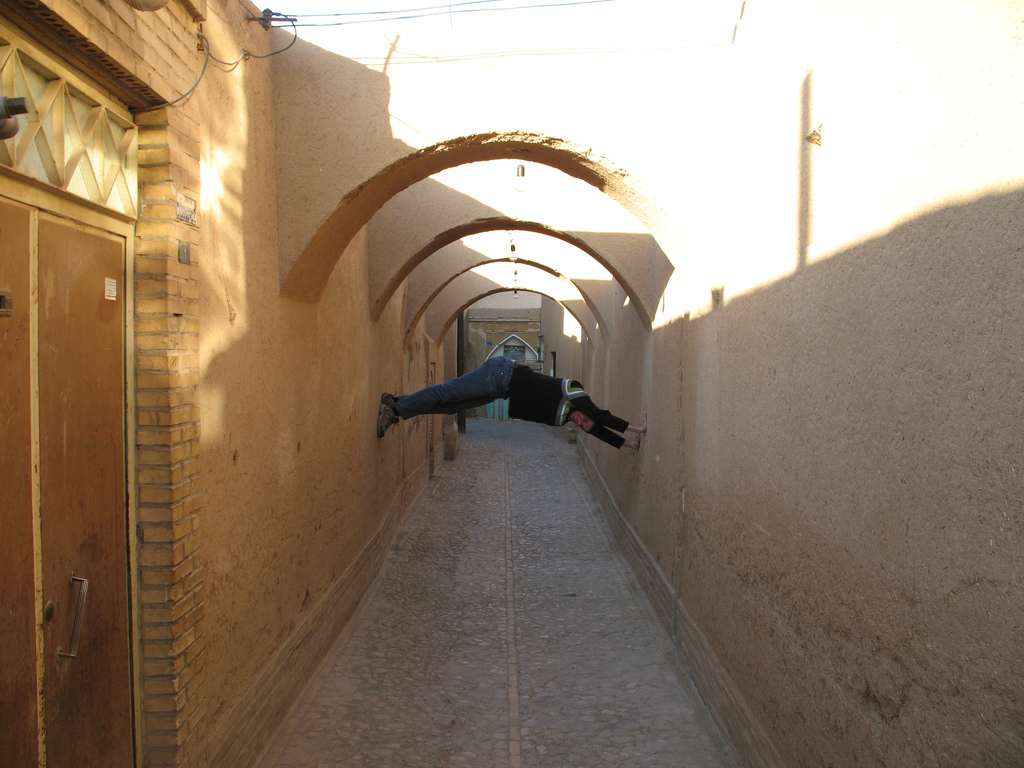
The Zoroastrian neighborhood in Yazd is simply enchanting. Between the door knockers, cypress trees, candles, arches, and benches, it’s apparent that every part was very intentionally designed. One of the best features, however, is the kucheh ashtikonun, which are plentiful. These “make up alleys” are very narrow, sometimes just wide enough for one person. The thought behind it was that if two people were on non-speaking terms and passed one another here, they would bump into each other and be forced to talk, thereby making up.

Uncover the secrets of Yazd’s Zoroastrian neighborhood

Uncover the secrets of Yazd’s Zoroastrian neighborhood

Try the street food in Lashkar Abad, Ahvaz

The people of Ahvaz are remarkably cheerful despite the hardships they endured during eight years of war and now often harsh weather conditions. One of the best places to witness this carefree attitude is Lashkar Abad, a long street with some of the most delicious street food around. Falafels, spicy samosas and roasted chicken are all served up hot and fresh while cars blast bandari music, typical beats of the south, all up and down the street. Go at night, pile your falafel high, and soak up the good energy while chatting with the friendly locals.

Camp in the desert

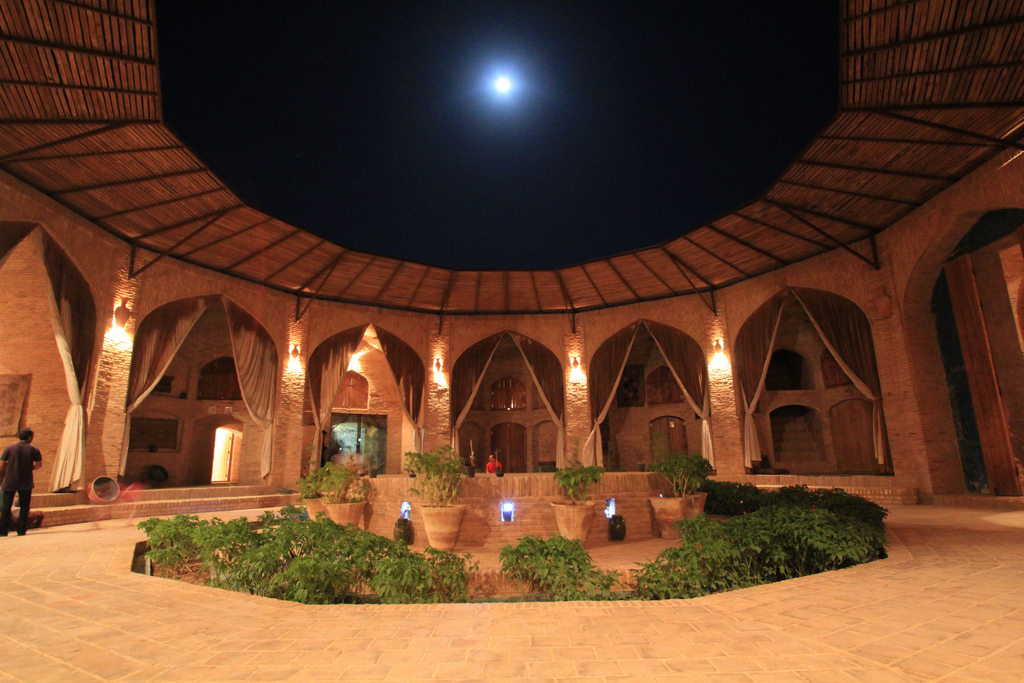
Why spend the night in a four-star hotel when you can spend it under all the stars you could possibly ask for? Try the Maranjab Desert outside Kashan, where you can pitch a tent or stay in a local motel if you’re outdoorsy but still enjoy a few basic luxuries. If you’re around Yazd, head to Zeinodin and experience the life of Silk Road caravan traders in a 400-year-old caravanserai. Make a campfire or stargaze with an astronomer. Either way, resting your head for a night under a star-filled sky is unforgettable.

Zeinodin Caravanserai, Yazd to Kerman Highway, Yazd, Iran

Yazd, Iran

Yazd, Iran

Take a Persian food tour

Food unites everyone, and what better way to learn about the culture than through your stomach? Led by Shirin and Matin, two ladies passionate about food and travel, Persia Food Tours in Tehran offers culinary tours that kick off with a bazaar run to learn about traditional Iranian ingredients and pick up some of the freshest items before heading back to their kitchen where you’ll get some hands-on practice by preparing various dishes. Lasting just half a day, it’s the perfect bite-size experience of authentic Iranian cooking.

Persia Food Tours, Tehran, Iran, info@kalout.com
Explore old Tehran

Though it may be hard to believe, the southern parts of Tehran were at one point the most northern parts. Neighborhoods like Sangelaj, with its narrow, winding alleys, and Udlajan, a once predominantly Jewish neighborhood, seem to be frozen in time as lifestyles continue as they always have. Among the treasures that you can find here are numerous synagogues, the first bank of Iran (since converted into a teahouse), a 900-year-old sycamore tree, public bathhouses still in use, and beautiful old palaces.

Spend an evening with nomads

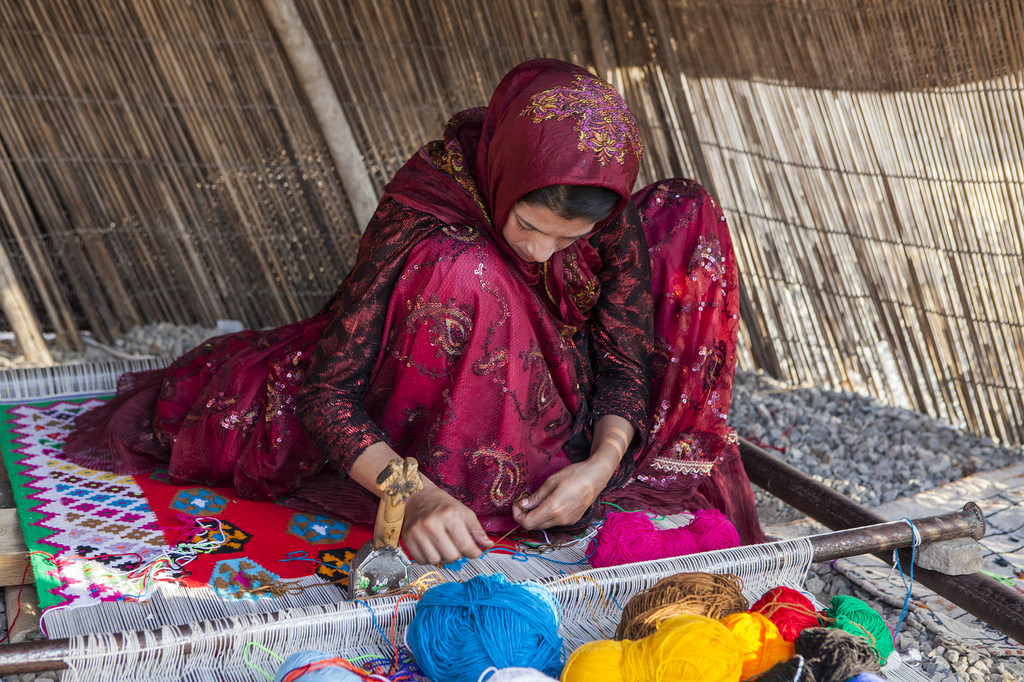
Go off the beaten path and dive into a little culture. A few hours drive outside Shiraz, you can find the Qashqai nomadic tribe. These nomads are now semi-settled, having adapted somewhat to more modern lifestyles, but they still migrate south around Shiraz for the winter. There might be a language barrier, but the Qashqai are eager to interact with tourists and foreigners and share their centuries-old culture and traditions, such as carpet-weaving. 

nomads

nomads

Get back to nature

Weekends for Iranians consist of getting away from city life and heading into nature, even for just a few hours. With a diverse geography, depending on where you are, you could head to the coast, forest, desert, mountain, canyon, or waterfall, among other places. Check out some of the best hiking trails throughout the country—all you need is a comfortable pair of shoes and a backpack. Skiing just outside Tehran is also an option if you’re visiting in winter.

nature

nature