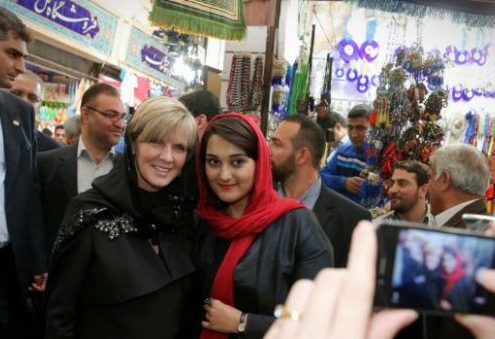
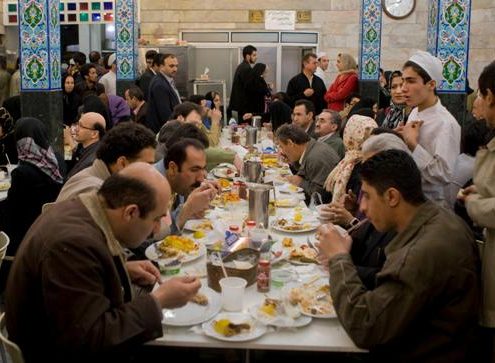
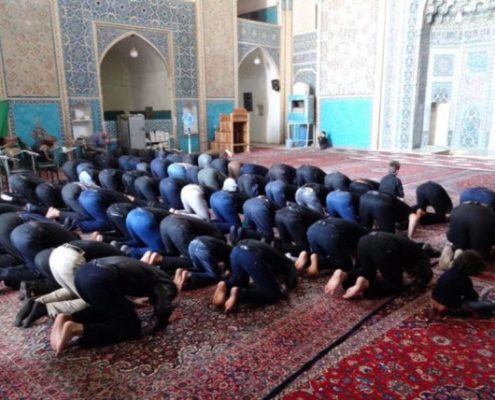
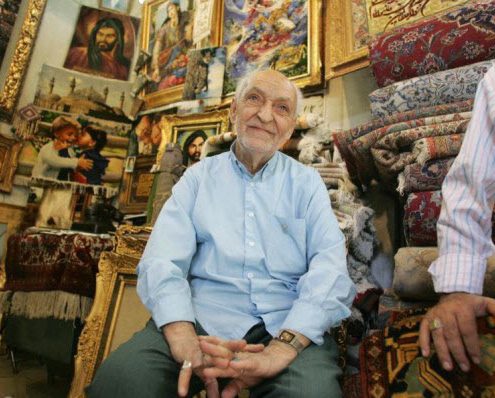
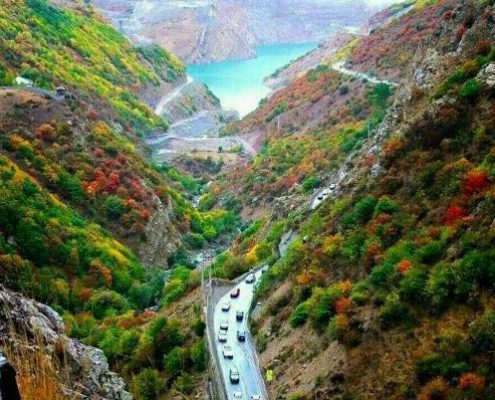
There are many divisions and sub-Divisions for each of the main tribes and tens of smaller tribes. With the expansion of education and better communications the young generation of Iranian tribes has made great progress supplying very intelligent engineers, medical men, administrators, scientists and even women doctors to serve the country. Today there are over a hundred different tribes, each with its own dialect, picturesque dress, dwelling-place and chief. The most important tribes are as follows
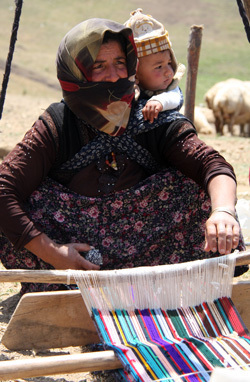


nomad

nomad

Afshars & Shahsevans

Having arrived in Iran in two waves under the Seljuks and the Mongols in 11th and 13th centuries, respectively; Afshars are pastoral nomads. They have their summer quarters on the slopes of the Sabalan Mountain at 4860 meters (Azarbaijan), between Lake Orumieh and Qazvin and Hamadan, and their winter quarters are in the hot plains of Moghan, near the Caspian Coast. Some Afshar tribes are also scattered in areas between Kerman and Bandar-e Abbas in southern Iran. Today, an ever-increasing number of Afshars have settled down and became farmers.

Living in the northeastern Azarbaijan province, Shahsevans (renamed II Sevan after the victory of Islamic Revolution) were organized by Shah Abbas I in the 17th century as a militia from tribes of diverse origin. Mainly Turkish speaking, they were used to put down rebellions of other tribes. They were divided between Iranian Azarbaijan and the Russian or former Soviet Azarbaijan after the occupation of part of our country by the aggressive Russian forces during the Qajar Ka’ab. Tamim and Khamis are small population of Arab tribes, descendants of early emigrants, lives in eastern Khorassan near Bojnurd and in some places in Fars.


nomad

nomad

Bakhtiaris

They dwell in the high grounds of Zard Kuh Mountain (Zagros range to the west of Esfahan) extending to the south of Esfahan, and around Shahr-e Kurd, with winter quarters in Khuzestan, particularly the kinder plains around Dezful, Susa, and Ramhormoz. They are divided into two main groups, the Haft Lang and the Chahar Lang, subdivided in turn into several tribes and sub-tribes or tayefeh. Most Bakhtiaris speak Persian or a Luri dialect, although part of the populations, concentrated in the towns and villages in the south of Khuzestan province, speak Arabic. Their clothing, with trousers extraordinarily wide, round hat and short tunic, is reminiscent of the Arsasid (Parthian) period, 200 BC-280 AD.
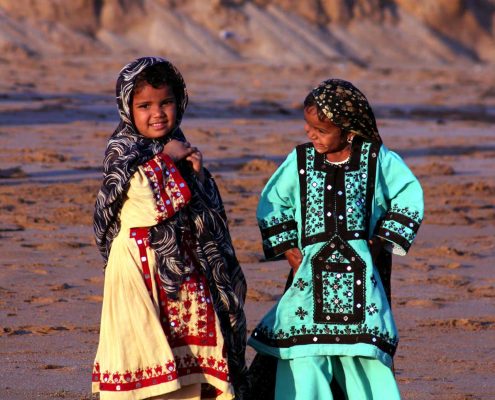


Baluch

Baluch

Baluch

Originating in Khorassan, the northeastern province of Iran, they are scattered and live in the Mokran region far southeast of the country, a vast area from the Pakistan border to the Iranian deserts. Their language is pure Persian. Nowaday mainly settled in urban centers such as Zahedan, the Baluch tribes consist of many different smaller tribes, making their living out of camel herding and agriculture.
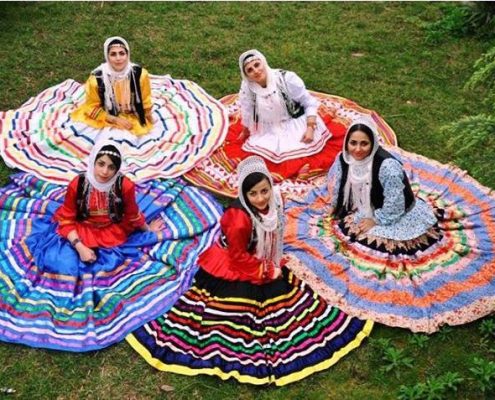


Gilaks

Gilaks

Gilaks

These tribes are among the most original tribes of Iran, speaking a pure Persian dialect and dwelling in the maritime provinces of Iran. Their number is dwindling, but one can still see the remnants of these stoic tribes in Talish.
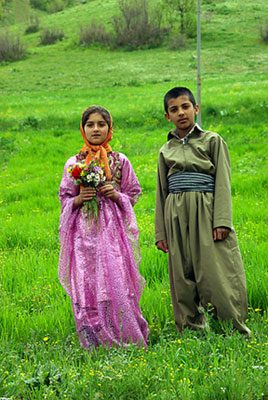


Kurds

Kurds

Kurds

The Kurdish people of Iran occupy a vast area from the northernmost borderline of Azarbaijan to the hot plain of Khuzestan. Descendants of the Indo-European tribes that arrived in Iran in the first millennium BC, they speak an Old Persian dialect and regard themselves as the descendants of the Medes. Kurds are to be found mainly in Iran, Iraq, and Turkey.
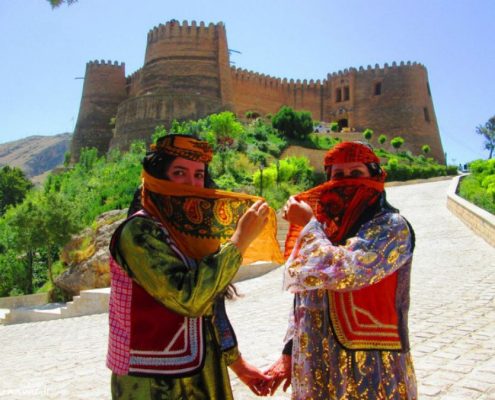


Lur

Lur

Lur

They are probably the most intact tribes of Iran, retaining their robustness, virility, and tall stature. They are mostly cultivators and shepherds and occupy the high grounds of Lurestan, south of Kurdestan, and Kermanshah provinces. The Lursare thought to be a division of the ancient Kurds, both tribes being considered true descendants of the Medes. The Mamasani Lurs dwelling in western mountains of Fars form one of the most important clans.
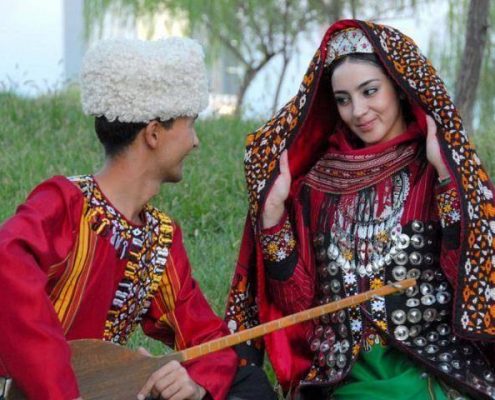


Turkaman

Turkaman

Turkaman

They descend from the Mongols who arrived in Iran very early on, in the 11th century AD, and are powerfully built, with high cheekbones and slanting eyes. They live in the northeast of the country, north of Khorassan and east of Mazandaran. They dwell on the vast flat lands of Turkmensahra, which is situated between the Caspian Coast and the southern mountains. Today, they constitute the most active agriculturists and fishermen of the region, and unlike the other ethnic groups, they are Sunni.
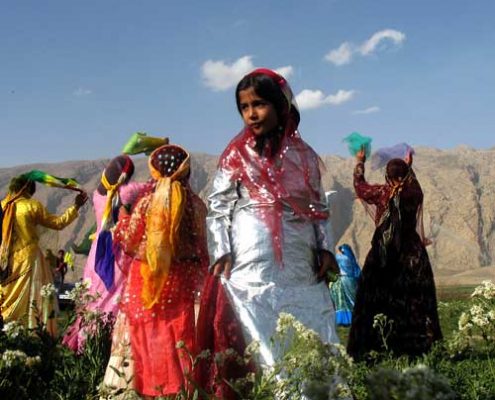


Qashqai

Qashqai

Qashqai

These Turkish-speaking tribesmen representing a dominant ethno-linguistic The Lursare group, and historically the most important political leverage, dwell among the high mountains of Fars province. Traditionally, they wintered on pastures in the foothills of the Zagros to south and west of Shiraz, near the Persian Gulf, and moved north to the mountains in the spring. Their dress is almost the same as that of the Bakhtiaris, except for the hat, which resembles Napoleonic headgear.
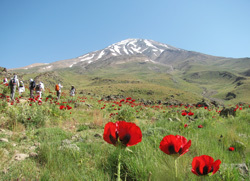
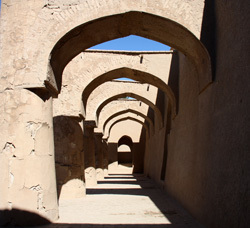
 

Damavand-Tour

Damavand-Tour


Iran Mounts , has been shaped out of orogenic motions of tertiary geological period; its existence factor of which, are the pressure of Arabian plate over Eurasia plate & the volcano, causing to mineral springs being formed. These changes, have continued as well throughout the other periods of geology; with erosion of current waters as the most important external factor of unevenness changes.
These mounts, covering around 54% of country area, have converted Iran to a mountain land with an average altitude of 1200m from sea level (Iran Mounts, Cheshme publication, Qodrat Kasraeyan).
Four original mountains of Iran are: North Mounts, Zagros Mountain, Central Mounts, & West Mounts.
The North Mountain/ Alborz(950 km in length & 51500 km2 in area, equal to 3% of country’s), is a part of Alp & Himalaya folds. Starting from Ardabil province, this mountain eastwardly passes from Caspian see south & at the North of Khorasan joins Eastern mounts of Iran.
Starting from Ararat Mounts of Turkey alongside with Alamdar mounts, Sahand, Sabalan, Talesh mounts, Qaflan Kouh of Azirbaijan, Alborz mounts on Tehran North & Southern parts of Gilan & Mazendran Province, Aladaq Mounts, Binalud, Hezar Masjed & Qare Daq on Khorasan, the Northern mounts join Hendu Kash Mounts in Afghanistan. As the tallest one of these Mounts, Damavand(5671 m) is Considered the highest spot of Iran.
The Western Mountains, Iran hugest & longest ones, starting from West Azerbaijan Province, pass through the provinces of Kurdistan, Hamedan, Kermanshah, Elam, Lore Stan, Khuzestan, Chahar Mahal Bakhteyari, Kohgiluye & buyer Ahmad, Bushehr, Fars, Hormozgan & continue to the North of Hormoz Pass & join Iran central mountains & Macron Mountain ranges. Zagros Mountains (around 1400 km in length & 100-300 km in width) include 323000 km2 (20%) of Iran area.
Encompassing the overall of West, South-West, & a part of Country South, Zagros Mountains starting from Ararat Mounts, extended between West- North & East- South & includes the Mounts of Sari Dash, Chehel Cheshme, Panje Ali, Alvand, Bakhteyari, Pish Kouh & Posht Kouh, Qali Kouh, Oshtoran Kouh, & Zard Kouh. Dena/ Dinar(4409 m in height) is the highest peak of Zagros Mountain.
Central Mountains of Iran, linking Azerbaijan Province to Sistan & Baluchestan Mounts, extend along Iran large diameter, from West- North to East- South. The Central Mountains
(1460 km in length, & around 80 km2 in width), encompasses the area of 143000 km2. Hazar Mount(4465m in height), is the highest one of this Mountain range.
Discontinuous Eastern Mountains of Iran (with North- South direction), start from Khorasan North, & extend in South to Sistan & Baluchestan Provinces & Makran Mounts; the tallest one of which is Taftan Mount(3941 m in Height). As the only active volcano of the country, thanks to Sulfur gases released in its mouth, always a white smoke is seen over its peak.
Central & Eastern Mounts, includes the mounts of Karkas, Shir Kouh, Banan, Jebal Barez, Hazar, Bozman, & Taftan(Encyclopedia of Iran Geography, Abbas Ja’afari)
Mountains in Culture: Considered as the tie between the Sky & the Earth, Mounts are the origin of the first waters, resulting in fertility. Amongst most of the cultures, & in the ancient times there have been many holy mounts, considered as the place of eternals, & the residence of gods. According to the ancients beliefs, the holy mounts have been the center of the earth; from which the axis of overall universe passes.
Also, the mountains, as the place of mystics retreat, relation with gods & heaven gate, were one the popular topics of paintings on pottery & polished paintings, remained of predecessors. (Encyclopedia of graphical symbols in the Art of East & West, James Hall, Translated by Roqayye Behzadi, Modern Encyclopedia)
In Farsi Literature, the mounts are the symbol of stability, & throughout the history have been the safe hideout of fighters & liberals. In accordance with Iran myths, for throw shooting, Arash-e Kamangir ascended Damavand Mount, to specify the borders of Iran & Turan. Also, In Ferdowsi Shahname, In Damvand Mount, Fereydun manages to chain Zahhak, the mythical brutal king of Iran. The book “Kheyav”, Qolam Hossein Zahedi says that some people believe that Sabalan Mount is the place of Zartosht mission, Iranian prophet. On his book Mer’at-ol Boldan, Sani’o Ddole upon Takht-e Soleyman/ Solomon Throne writes: “It is said that Solomon, the prophet, has ascended this Mount.”
The beautiful Ode over Damavand & the famous lyrics collection of Shahreyar, Heydar Babaye Salam, addressing the Mount of Poet birth place, are the samples which manifest these mounts as the consideration center of contemporary poets.
damghan

damghan


Shiraz-Tour

Shiraz-Tour


Shiraz-Tour

Shiraz-Tour


Shiraz-Tour

Shiraz-Tour


Shiraz-Tour

Shiraz-Tour


ilam-tour

ilam-tour


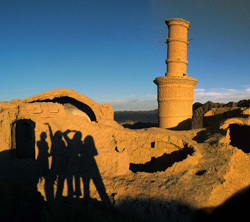
kharanaq

kharanaq

Iran History before Islam: According to documents, from the ancient times, Iran Flat has been residential. As the obtained works show, Iran tribes have lived along the rivers, springs, & also Zagros Mountain, as well as Kashan hill of Siyalk & hill of Hesar.
Current documents show that around 12000 years ago, i.e. the era of New Stone without Clay, the historical hill of Choqa Golan near Mehran town, Elam province, has been one of the first agricultural origins. It seems that favorable climate & abundant of products, have resulted in reviving the innovation feeling & modernistic enthusiasm of that era people.
The effects obtained from the Archeological sites of Damqan, Tarang Tappe of Gorgan, Haft Cheshme/ Seven Springs of Gorgan, Hasanlu Hill, Marlik Hill of Roodbar & Shush, show the Antiquity of the fifth millennium BC.
Elamite: On the 3rd millennium BC, in huge parts of Zagros (West) including Lorestan, Pish Kouh, Posht Kouh, & some South parts of Khuzestan till Kerman, the civilization of Elamite was born; which lasted till 1st millennium AD. The capital of them was Shoush; afterwards of which became the winter capital of Achaemenid.
Elamite, had commercial relationship with Town governments of Mesopotamia and Mohenjo-daro, alongside of Send River.
From remained works of Elamite, some works of Khuzestan, Ziggurat of Choqazanbil in Shush, plus the Stone carves of Ize can be named. Elamites performed the customs of Nowruz. Coinciding with Elamites kings in Khuzestan, Lulu’iha, Gutiha, & Kasiha on the region of Zagros Mounts, & on South East of Uremia Lake were stationed; from this same era, migration of Aryans were started.
Aryans: Aryans were the tribes of Mad, Part, & Pars. Mad Tribe on the valleys & flats of Zagros region (present Hamedan), Pars Tribe on Zagros South Flats(present Fars), & Part Tribe on the flats of Gorgan & Khorasan were settled. About 250 BC, Part Tribe from Khorasan went ahead towards West & South West of Iran & their Empire, was founded on Tisfun; the life of which lasted till 224 AC.
From unity of Aryan Tribes to the dominance of Arabs over Iran, 4 important tribes of Mad, Achaemenid, Ashkanian, & Sassanid, ruled over Aryan land.
Defeating the Mad Tribes & dominating over their capital, Achaemenid were the founders of Iran first Empire; i.e. 522- 485 BC or 550 BC.
After the extinction of Achaemenid kingdom, soluki System for a while dominated over Iran; the result of which was the integration of Iran & Helenistic cultures. During the peak power of Systems of Achaemenid, Ashkani, & Sasanid, the commercial relationships were also promoted; as going through South & Mesopotamia to India, they brought Indian Spice to Eastern & Western Lands.
Silk Road, with 8000km length, continuing from China to Istanbul alongside the coastlines of Mediterranean see & passing through Iran, resulted in trade boom.
From Achaemenid era, the traces of once green & Waterful Takht-e Jamshid & Pasargadae Town on the Morqab Plain of Fars Province, have remained.
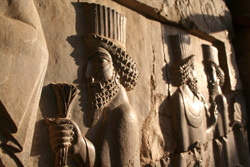
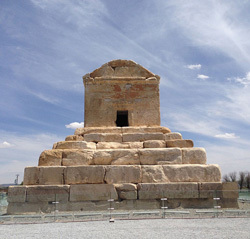
Constructing of Takht-e Jamshid, with an order from First Darius Hakhamaneshi was started; which continued till the era of Ardeshir-e Hakhamaneshi. Ordered by Cyrus, Pasargadae Town/Parse as the place of palace on the north of Takht-e Jamshid, on 5 zones & in the area of 6 km2 has been built. Pasargadae, bearing his tribe name, was Cyrus’ Capital; the building of which was constructed by Greek architects. That’s why in it, the Greek architectural style is quite evident. The Tomb of Cyrus is also situated in Pasargadae.
Seleucid dynasty: Seleucid ruled about 2 centuries & a half; more than 65 years of which, was over Iran. On the year 323 BC, Iskandar deceased & most of his possessions of Asia region, was inherited by Solocos I; from his era of whom Seleucid dynasty over Iran started. The remained works of this era, consist of: Temples of Seleucid on the cities of Estakhr/pond, Kangavar, Khurhe, Nour Abad, & Takht-e Jamshid, plus the reliefs of Dinour, Nahavand, Shush, & Tall-e Soak.
Parthian dynasty: Parthian defeated the Seleucid; thanks to its 1st king, Ashk, of which, it was named Ashkanian/ Parthian.
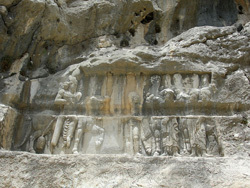
Sassanian dynasty: On the year 225 AD, defeating the last king of Parthian, Sassanian founded a new dynasty, which ruling 400 years, lasted till the middle of 7 century. Sassanian capital was Tisfun, near present Bagdad, with Zoroastrianism religion. During their dynasty, the most distinctive aspect of art was architecture; from which many works have remained, such as: Shapur Cave, four kilometers from Bishapur town, Kazerun. At the very mouth of this cave, the statue of Shapur, 7 m height, is seen,
(dating back to 1700 years ago), formed by carving over inner stone column of cave. This statue is yet standing, with only its hands broken.
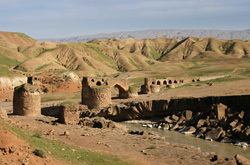
Anahita Temple, Kazerun, inspired by Achamenid architecture, is roof-less. It is interesting that, the temple is placed at the depth of 6 m from the earth; to which the water of Shapur River can be steepened. In fact, Bishapur Temple, is a Water Temple(one of the 4 elements attributed to the Venus goddess). From the other works of Sassanid, Falak-ol Aflak Citadle of Lorestan, can be named, which during Sassanid era has been utilized as a state military citadel.
Throughout this era, there have been so many erosion wars between the local rulers; thanks to which, the ground for domination of some tribes like Saljugi Turks, Mongols, & Teymurian, invaded from Cntral Asia to Iran, was provided. In the 1st century, with the collapse of the Sassanid Empire, Iranian accepted the Islam Religion.
The Safavid dynasty: On the year 907 AD, this dynasty was founded by King Ismael, & after whom, on the year 930 AD, Tahmasb King became the ruler; which due to the political reasons, transferred the capital from Tabriz to Qazvin. Safavid dynasty, from the year 880 to 1101 Solar AD, equal to 1501 -1722 AD, ruled over Iran. The founder of this dynasty, was King Ismael I & the last king of them, Shah Soltan Hossein. Safavid era, with 3 capitals one after the other, is the most important era of Iran history, for after distruction of Sassanid Dynasty, they were the first one, whom managed to unite the country under the power of one government; during which, Shiism became the country official Religion.
Throughout this dynasty, the architecture was expanded so much which in the whole country a new style was shaped in the art of architecture; the aftermath of which, are seen in Qazvin, & the last capital of Safavid dynasty, i.e. Esfahan: in the building of bridges, schools, caravansaries, mosques, churches, palaces & gardens.
Naqsh-e Jahan square, UNESCO World Heritage Site, Chehel Sotun/ Forty pillars Palace, Ali Qapu Mansion, Mosques of Sheykh Lotf-o Llah, & Shah, Bazar, Chahar Baq/ Four Gardens Avenue, Jolfa Neighborhood, Si-o Se Pol/ thirty Three Bridges, Khajoo Bridge, The Home of Fathiye(present Hotel of Shah Abbasi), Hasht Behesht/ Eight Paradise Palace(one of the residences of Safavid era last kings), & Menar Jonban/ Dancing Menirate, are some of the works remained from that era. Also from amongst other cities works of this dynasty, Qazvin Chehel Sotun Mansion, Caravansaries, & Mosques can be named.
Qajar Dynasty: After collapsing of Safavid Dynasty, Afshareyan & Zandeyan reigns got the control of the country. Qajar reign was started immediately after Zandeyan; during which Russian & English entered Iran. The specifications of this era, are Tobacco Social Movements, Constitutional Revolution, Forest Uprising, & the uprising of Sheykh Mohammad Kheyabani. Tehran, in this same era was chosen as the capital, by Aqa Mohammad Khan.
First Pahlavi era, was started by Reza Khan’s coup; upon exile of whom to Morris Island, the second Pahlavi inherited the throne. In Pahlavi era, the movement of Oil Nationalization & Khordad 15 of 1342, happened & finally on 1357, upon taking place of Islamic revolution, the dynasty government was destroyed & Iran accepted the ruling of Islamic Republic.

iran-map

iran-map


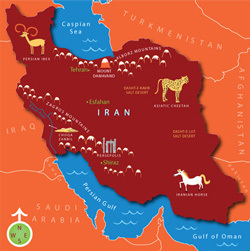
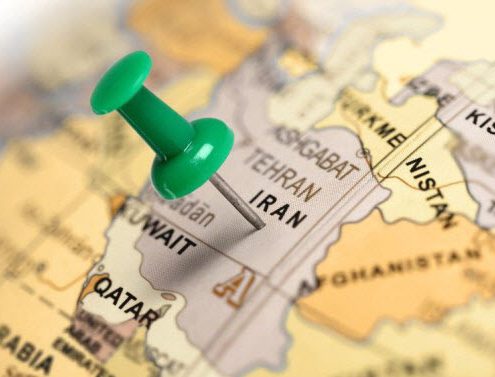
Placed on Northern hemisphere & south west of old continent, Iran on middle-east region & with 1648195 km2 area, is the world eighteenth vast
country.
This country with the total 5440 km land border, is in South neighborhood of countries of Armenia
Azerbaijan & Turkmenistan; West Of Afqanestan, & Pakistan; & East of Iraq & Turkey. Furthermore, via Persian Gulf at South, it has also marine border with Kuwait, Iraq, Saudi Arabia, Bahrain, Oman, Qatar, & United Arab Emirates; with regard to Caspian Sea coastlines, Iran has around 7680 km of marine border.
Placed on the region of middle Urasia, Iran has a strategic situation on the way of West & East, which acts like a bridge between the world biggest lake of Khazar & Persian Gulf; through which, the silk road passes(as the biggest commercial net of the world, up to Fifteen century AD). That’s why, from distant past it has been the linkage of cultural, commercial, & political Manifestations of East & West World.
In accordance with 1313  Circular, issued by Reza Shah & sent to all countries, from Farvardin 1, 1314(1935, Mars 21), the word of Iran replaced its former names of Pars & Persia, formally.
In word, Iran means Land of the Aryans; Indo European speaking emigrants which had immigrated to Iran Flat & Indian Subcontinent, during the 2nd millennium.
Nowadays, Iran encompasses various tribes like Persian language, Azari, Kurd, Lore, Baluch, Mazandarani, Gilak, Qashqai, Arab, Lak, Turkmen, Tat, & Sistani; according to 1390 Census of Iran Statistics Center of which contained the population of 75149669 people.
Tehran is, Iran Capital, biggest city & political-administrative center. This country official language is Persian, its official religion Islam, & its Time difference, based on World time clock, +3:30.


Geography
From natural view point, Iran is limited on North to Atrak River, Caspian Sea, & Aras River; on east to Hindukush Mounts & Western Mounts of Send Valley; on West to Western domains of Zagros Mountains & Arvand Roud Basin; & on South to Persian Gulf & Amman Sea.
Over half of Iran bears desert & Semi-desert Weather; around one third of which is mountain & a small part of it encompasses prolific flats of Caspian see south parts & khouzestan. Also, Damavand peak with the altitude of 5671m, is the highest spot of Iran.


Weather
In respect to Iran vastness, this country is so distinct & changeable climatically; so, according to rainfall, temperature & moisture, various parts of the country bear considerable differences.
Regarding the climate, Iran is one of the world most exclusive countries; sometimes in winter, the heat difference between the warmest & coolest spot of which is over 50 centigrade degree.
Influenced by Siberian high pressure system, Mediterranean air system & Low pressure system of south, plus the existence of mountains & seas, Iran is amongst a few countries of the world; in which four seasons are well evident.
On the other hand, due to its placement on above Latitude, the difference among its seasons are more, resulting in the variety of outstanding climate.
The northern coastlines, in summer bear a hot & wet, & in winter a mild weather. While, West & North-West regions, have mild summers & cool winters, the Southern parts, have very hot summers & mild winters; that’s why every corner of Iran, bear a different nature comparing to other zones.

Plants and animals
Based on the report of Research Institute of the country Jungles & Pastures, considering the various climate & the distinct face of Iran nature, around 10000 species of forest & pastures plants have been recognized.
Due to geographical variety, & thanks to jungles, deserts, mountains, & different rivers & lakes, Iran eco-system encompasses various animal species (1130 species); from amongst of which some rare ones are found in Iran, e.g. Lynx, Caspian tiger, Gazelle, Cheetah and Persian ibex.
Due to the four-season quality of Iran weather, this country as well as being the origin of endemic birds,   is also the passageway of migratory birds from Asia Northern parts; i.e. Russia & Siberia. The existence of two Warm sea in South & Caspian Sea in North, have caused the variety of the Aquatic.


Exportation


According to the report of Energy Department of 2008, Iran contains the World 3rd oil reserves, 11% of oil field proven reserves equal to 130 Billion barrels, the 2nd Gas reserves of globe, & also 18% of gas field proven reserves equal to 26 Trillion m‎‎3; as the result of which, the main advanced industries of Iran encompasses Oil, Gas, & Petrochemical.
Also, due to the weather variety, in generating agricultural products Iran is active; in some cases of which even bears the comparative advantage. In accordance to FAO, The latest statistics from the Food and Agriculture Organization of the United Nations shows that Iran is one the biggest significant producers of World Agricultural Products. Based on this same data, for several consecutive years in producing Pistachio and mulberry has been unmatched. Also, in generating apricots, dates and most summer crops, Iran has won the world 2nd position, & in generating walnut and cherry, the 3rd one.
Also, from amongst its different traditional handicrafts like all types of carpet, & rugs, pottery, wood carving, & inlay, the hand-maid carpets, Turquoise, & Gemstone are the most key items of Iran export affairs.

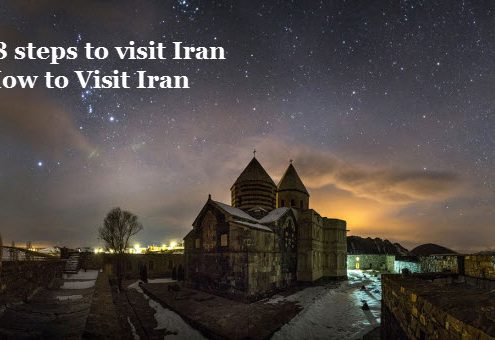
18 steps to visit Iran
How to Visit Iran

If you are looking for a destination to spend your holidays there Iran can be a good choice. As Iran is less familiar to most of us it can seems a little bit confusing. But do not worry at all, Iran is a worthy country. Here are some tips guiding you to go there and enjoy your trip.

Do some intense Google search for accurate sources, whether they are travel

companies or personal accounts.

Try to figure out the costs involved. If you want to go with a prearranged tour, then

you might as well contact multiple sources and compare the fares.

Try to contact the travel companies inside Iran for better prices. It might save you

up to 60% overall.

 If you are American, you need to be in a guided tour.

You can arrange your own private tour without the need to be included in a big group.

Almost all other nationalities can travel in and out Iran freely without need to bepart of a

tour.
If you want to travel independently and are not American(Americans need to be in a

prearranged guided tour) then you should try to get your visa from a travel agency

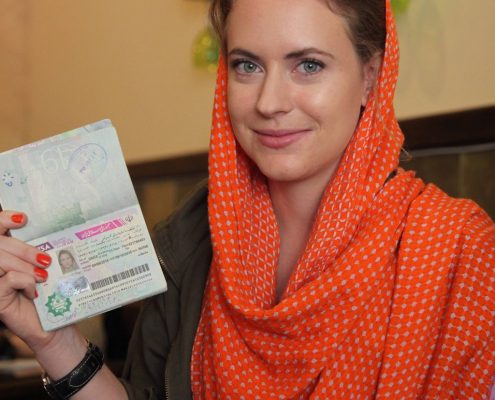
in Iran. It usually costs around 50$.

Buy a travel guidebook.

These really help with the overall planning process and can help you estimate prices.

You can book your hotels on the spot. Most hotels in Iran will accept you

without a reservation(unless you’re planning on 4-5 star hotel)

The average hotel fare for a room in Iran costs around 20$ in 1-star hotel, 30$ in 2-star

hotel, 40-50$ in a 3-star hotel, 50-90 in a 4-star and 100-250 in 5 star hotel. These

fares are per night and can be divided in half if you go with a friend.

  Single rooms are 30% cheaper.

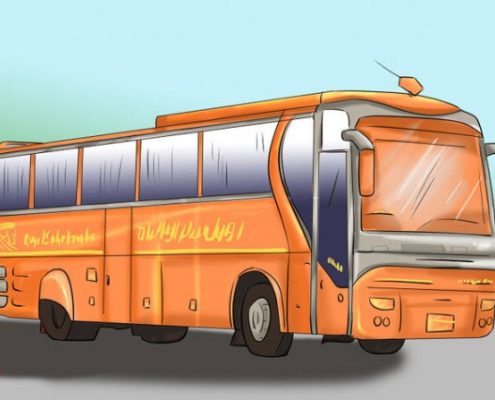
Use the bus. Royal Safar, Tavoni #1 and Seiro Safar all provide good services at a very

low cost(around 1$ per 100KM)


Make a list of where you want to visit by looking up in Internet.

Use guidebook first and then maybe other sources such as irangazette.

Get a guide, if you need, by asking from your hotel reception.

If you need a car, ask your hotel. It is safer.

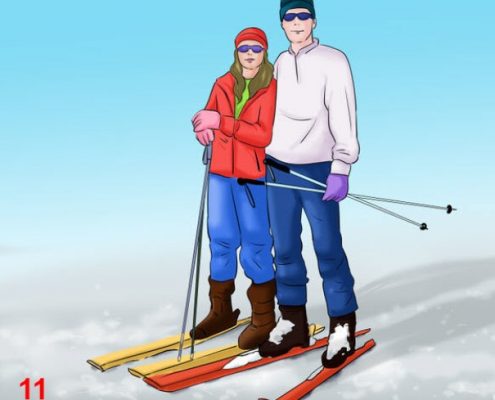
Try to improvise. Go to the countryside and villages. Hike, ski and take as many photos

as you want.

Accept the invitations that you might get from people on the street, if they want to

invite you to their homes.

It is quite unusual based on the western culture to do that. But in the east, that is what

people do all the time for strangers. You get so much hospitality, friendship and good food

and that probably you don’t want to go back to your hotel any more.

Bring your Cell phone and use it there, you can get local SIM cards for 5$.

It is cheap and gives you tons of minutes.

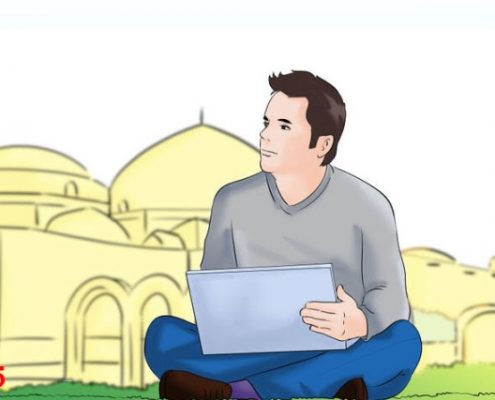
 Bring your laptop, if you are really need it , but you should know that is going to be

a hassle since there are tons of computers all over the place Hotel, Cafe nets, Shops

…etc

Open a Google mail and upload your photos as you travel into Google by attaching

them to a letter and send it to yourself.


Bring a slim camera, instead OF a chunky one.


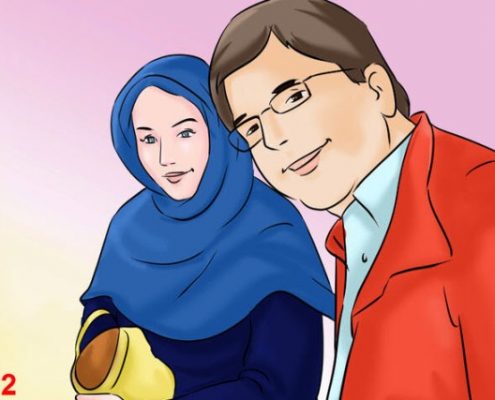
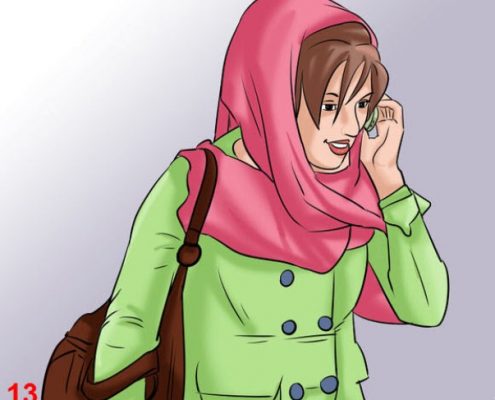
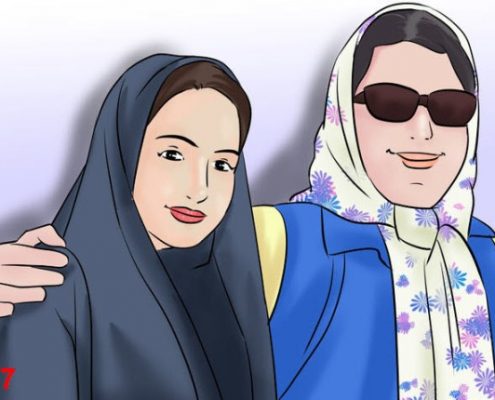
 For clothes, you need to dress conservatively.

Use LonelyPlanet forum for asking your questions from people who already have

traveled to Iran.


Poets and pistachios: A journey to the heart of Iran

The old man held a breath under a walnut tree. A part-time philosopher, he was called Rahmatollah (“offer of the gods”). He had wobbly knees and clutched a walking stick, but his mind showed no signs of slowing.

He sat in the shadow and quoted the Iranian poet Saadi Shirazi from the 13th century and survived for over 80 years in the sleepy mountain village of Abyaneh, 210 miles south of the capital Tehran. “I went in these summits as a boy, looking for wolves and hunting cubs. At that time Abyaneh was a different place,” he said almost sadly.

Once a flourishing agricultural community, Abyaneh was home to thousands and blessed with an almost semi-autonomous existence. By the 17th century isolated, it remained free from disturbances by Afghans, Turks and Indians. With the next village 12 miles away, the locals even have their own dialect.

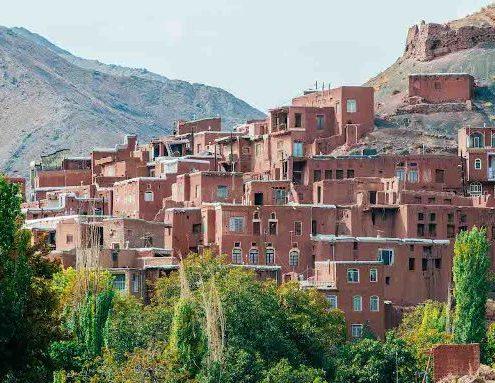
Today, there are almost 80 inhabitants living in red clay houses. Bizarre but Abyaneh is near the epicenter of the country’s biggest problems, a lonely place in the desert that has seen it banished by the international community.

“No photos,” warned my guide Majid, as we drove past the mysterious Natten Kernenergie, all the high fences and armed patrols.

But change comes. The sanctions against Iran’s controversial Atrocrogram are lifted and the Islamic Republic is again open to the economy. Last year, the Federal Foreign Office made the travel restrictions easier and reopened the British Embassy in the capital after it became famous in 2011. As a result, the airlines and tour operators have hastily restored their presence. On September 1, British Airways will start direct flights from Teheran to London Heathrow. It is a welcome message to the 77 million inhabitants of this nation, plagued by prejudices as a land of fundamentalists and terrorists.

Majid has been showing his home to curious visitors for nineteen years. “Iran is a deeply misunderstood country,” he said, sitting with a leg on a Persian carpet, sipping a cup of tea with saffron in a teahouse high up in the quiet hills north of Tehran. Beyond the walls were mules with pomegranates on lonely paths.

There, as almost everywhere in Iran, the locals greeted us with a touching mixture of curiosity and joy. Some stared at each other, while others whispered with urgency. Some came in a hurry with questions and, more often than not, deals from tea, fruit or kitchen meals.

Hopes are high that Iran finally has a corner and a new era is waving. Rahmatollah was characteristic of the situation. “The future, only God knows, but good things come,” he said, looking out over the mountain of Karkas.

Many miles to the south, the city of Yazd was a roaring trade. The citizen dinners were with buyers, the fathers-and-son Kesbside stands with fruit, sweet-smelling rose water and Persian carpets. The busiest place, however, seemed to be the Haj Khalifeh Ali Rahbar, a pastry shop begun by two brothers more than 60 years ago. The place was dusted with all kinds of sugar treated with exotic names such as Noqhl, Loze nargil and qotab.

And while it can not be on a world famous name like other Iranian heavyweights like Shiraz and Isfahan, Yazd proved to be one of the most revealing stops of our two-week tour, especially thanks to the famous Towers of Silence. These great artificial monuments in the desert on the outskirts of the city are where Zoroastrians leave their dead to be eaten by vultures.

We broke the long trip to Shiraz next to a ski slope. The small shrubs, all properly planted in regimental rows that swept the slope, were adorned with maturing shells, like faded rubies dangling from the top.

The owner – a farmer on a motorbike – soon came into view. I half expected that he would start screaming to free us from his land and get away from his precious pistachios, but that was Iran. Instead, he greeted us like a long lost family and continued to taste handful of his precious products for us.

But the most memorable person we met was Abbas Barzegar, Richard Branson from Iran, living in the absurdly beautiful Bavanat Valley. In a previous life, Abbas was a humble man who worked on a farm. “I had no money, no cows, nothing, I thought God had left me, now I have a magical business, a garden, a family, even a donkey,” he beamed.

So what brought about this change in wealth? Two German backpackers. Lost and with nowhere to stay, one offered them a free room in Abbas house and an idea was born. With the help of a $ 600,000 subsidy from former President Mahmoud Ahmadinejad, he built his own guest house, which now has 33 rustic rooms, a small museum and even a petting zoo. The success may have gone to the head.

About a breakfast prepared by his wife, served by his daughters, he spoke of his dreams of possessing his own valley, and to populate it with his own tribe, who would wear all the same clothes and be dominated by his little son. Several of us exchanged clear views between the bites of homemade cheese and walnut bread.

Of course, we have not come so far to hear these chatter. We came for the Bavanat Valley, one of the most natural places in Iran: a vast ravine, crumbled by crumbled peaks, strewn with sunflowers, bubbling streams and dusty hiking trails.

A boy of no more than 13 came from a haze of dust, which was kicked by the dozens of goats he tried to flock to. He had only a limited success, his desperate losses were lost among the sandpipes that swirled around him.

After a very comfortable day were the Abedi family. Like the other 14,000 nomads, spending six months a year in the Bavanat Valley (winter on the warm shores of the Persian Gulf), they were busy drinking their cattle and drinking their tea in front of the big tents. Tea was stretched on us and we sat on carpets laid on grass and talked about our respective lands. Mr. Abedi turned his attention to the US citizen in our party. “Why does America hate us so much?”

Iran’s tense relationship with the West regularly plays in the headlines, but there is very little, if any, feeling of hostility from the people on the ground. “The Iranian people do not hate the West,” Abedi said. “They celebrate everything they have brought, but propaganda has made us the wrong impression.”

  •  John Simpson: Iran is the most charming country on Earth

The future and today’s Iran can be the biggest speeches, but the country’s past is never far from the agenda. Its complex history dates back centuries to the first human settlements around 4000 BC In the following years Persia was conquered and ruled by some of the greatest personalities of history. Cyrus the Great laid the foundations of the Persian empire in the sixth century BC.

His most impressive achievement is probably Persepolis, the mighty capital of the empire, built by Darius the Great. More than 150 years in manufacturing, this ancient city has attracted themes from afar to pay tribute to their rulers. They did not come empty-handed and brought gold, spices and baby giraffes from their exotic countries like Arabia and India.
It was undoubtedly a place of great splendor, but a drunken attack by Alexander the Great started a fateful night Persepolis burn to the ground. This, along with centuries of task (the city was not rediscovered until 1620), took its toll. But the ruins that stand today boast differently.

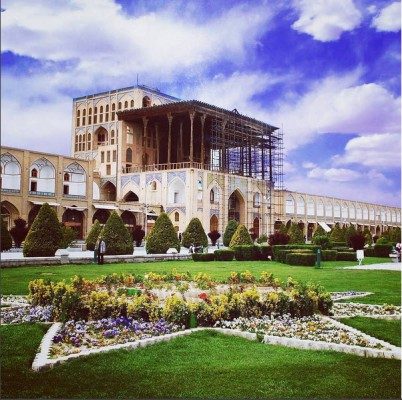
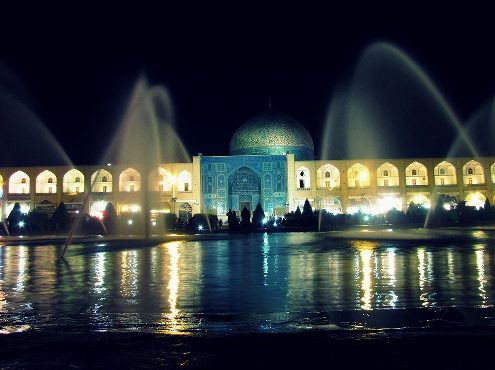
Apart from Persepolis, the tour most awaited stop came at the end. Legends around the legendary city of Isfahan, former capital of Persia, and its splendor. Just as in the days of Shah Abbas the Great in the 17th century, life in Isfahan revolves around Meidan Emam, one of the largest public places in the world. “Only the Tiananmen is bigger,” Majid said with pride. Once the kings were sitting on balconies facing the square and watching polo games played against a backdrop of mighty mosques and madrassas.

Today, Meidan Emam remains a place of euphoria and entertainment. Shoppers milled around the arcades and disappeared in crowded bazaars. Courting couples picnicked on the grass while families rode horses and wagons around the perimeter.

But at his heart, Meidan Emam remains a place that is rooted in religion and tradition. People come to worship at the Shah Mosque, under their huge dome decorated with half a million tiles. A man in a shabby training suit emerged from the crowd and continued to be in the center. He stood right in the middle of the hall and began to sing the call to prayer. Every murmur fell silent as his voice gained momentum, with each note sliding down the glazed walls like honey.

A wave of goose bumps hit my arms and everyone in sight was speechless. It was a delicate and sensitive portrayal that surprised us all. Similar to Iran itself.


Top 8 must visit cities in Iran
Tehran with its vibrant rhytms. Tabriz with distinguished northern charm. Eshafan with majectic architecture. Every Iranian city differs from each other in its own, unique way. From desert oasis to crowded metropolis – we select top must-visit cities that cannot be missed on your Iranian trip.


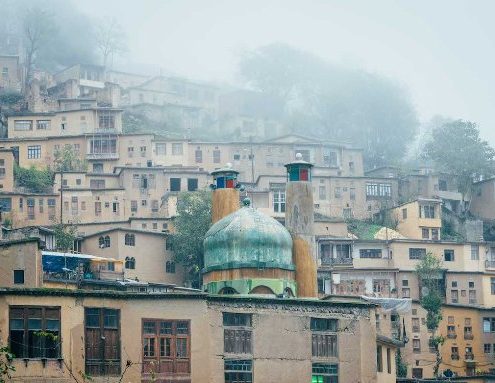
1.Masuleh – a beautiful village hidden in the northern forests of Iran. Constructed in such

a way that pathways and roads are built on the rooftops of houses underneath. You won’t

find any vehicles here – but that is why it is so easy to breath. Take a look at houses

painted in ochre color. Walk around the small bazaar and shop for handicrafts, and – make

sure to grab a bite at a local teahouse or traditional bakery.

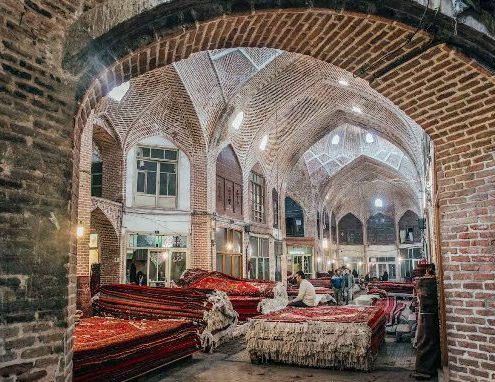
2.Tabriz – a jewel of north with a history of over 4.5 thousand years. A hub of science

and culture in Iran – and also a world capital of carpets. Visit the famous UNESCO listed

bazaar to admire its domes or see the many museums and mosques. Otherwise – just relax

at local-favourite Golistan Park.

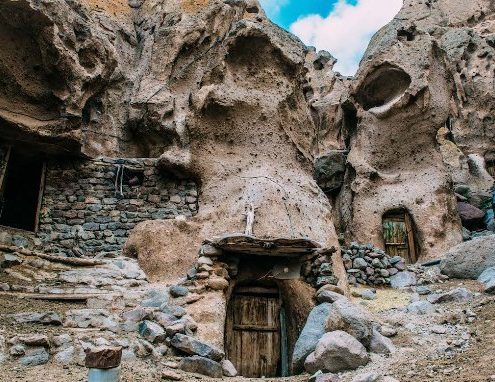
3.Kandovan – a village hidden in the picturesque cliffs near Tabriz. Its name is the plural

form of “kando” – meaning bee’s hive. Legend says that inhabitants dug homes in volcanic

rocks to escape from Mongolian invasion. Today – Kandovan is one of the most popular

touristic spots in Iran but still remains relatively unexplored compared to the rival Turkish Cappadocia.

4.Kashan – a large oasis in the region of central deserts along the Qom-Kerman road. Visit

iconic domes, traditional houses and a world famous Fin Garden. Feel the contrast of oasis

greenery to the vast dry wastelands


5.Abyaneh – a settlement of adobe-colored houses lost among the spectacular red

mountains. All of the young population has moved from here a long time ago, but elders

still remain – and, true to the traditions of their ancestors, they are one of the few in Iran

who still practice an ancient Zoroastrian religion rather than official Islam. Their way of life

and ancient dialect are practically unchanged – as years go, women still wear traditional

clothes with painted roses ornament.

6.Esfahan – one of the most beautiful cities in the world. Locals proudly call it “”Nesf-e-Jahan” – “Half The World” in Persian. In the past being the ancient capital of Persia today it is the third largest city in Iran. Isfahan is famous for its architecture – tree-lined boulevards, covered bridges, mosques and minarets, and – the best of all – the magnificent Public Square with the famous bazaar around it.

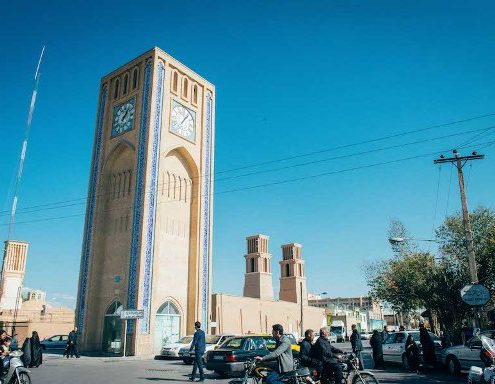
7.Yazd – an ancient city the history of which goes back to the Sassanian period. A centre of Zoroastrian culture. A city, architecturally unique due to the many centuries of adaptation to desert surroundings. A city, that was part of Silk Road, once even visited by Marco Polo. Make sure to wander around to admire the ancient system of windtowers – and afterwards shop for carpets, silk products and delicious sweets nearby.

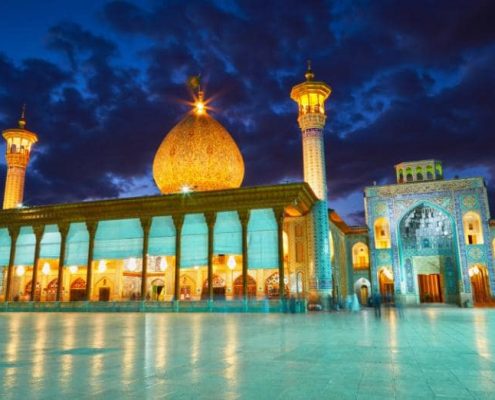
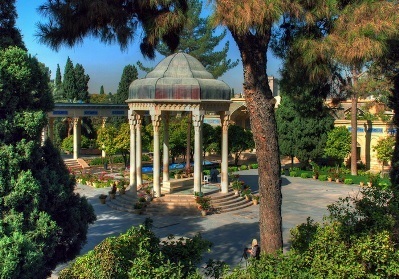
8.Shiraz – a former capital of Iran and a heartland of Persian culture for more than 2 thousand years. A city of gardens, where you can find the tombs of the most beloved Persian poets – Hafez and Sadi. Home to one of the most famous sort of wines in the world – Syrah. The city today is associated with education, nightingales, poetry and wine. The main attraction here – Persepolis, an old capital of Persia ruined by Alexander the Great.

What are tourists writing after traveling to Iran?

Reading travelers’ travel logbooks is always a great opportunity to better understand the cultural and historical features of Iran
“Iranophobia” and “Islamophobia” are not a new milestone for the world’s media that are always trying to understand the people of the world Iran is a scary place.With all of this, there are always people who are still choosing to travel Iran.
People whose warnings have not prevented them from traveling to Iran.Consequently, the contrast of the image of these tourists with their observations is very different.These differences have made their travelogues full of loving and contemplative points of Iranian culture.

The compliments of the Iranians have made us crazy

The tourists post their travels to Iran, on their blogs and personal pages.One of the points that most tourists mentioned about traveling to Iran is about the “compliments” of Iranians.This old Iranian tradition has troubled the tourists.
James who had traveled Iran says: The compliments of the Iranians are like nightmares for me.But Marihia writes about this custom of Iranians on his blog saying: “You always have to insist on paying taxi and restaurant money, but Iranians pretend they do not want to get money from you.”With the compliments of the Iranians, it is as if the host is required to provide anything that the guest likes and the guest is equally duty to reject them all.But Maria says” Iranian compliments is their attempt to show their generosity”There is a complicated law in Iran called compliments, of in your compliments, you have to do something or suggest something that you do not even come up with yourself,Even a taxi driver and marketer will offer you to their services free of charge,But you have to be careful and do not accept, because accepting these compliments in Iran is not good.Dealing with the compliments of the Iranians for foreign travelers is such as walking on the minefield.

Bakery and drawings of one of the Iranian currency units

One of the serious problems with purchasing you in Iran was not the coin and the wise money so that getting 2000 rials or 500 rials(less than one cents) in Iran’s purchases is almost impossible.However, you think, What do they do when they do not have the money to give you back?They give you a sweet instead of money?Ye, it is, A sweet! (With laughter)They always have a pack of these sweet things, If they do not have a small amount of money, they will throw one of them in your bag as if you are paradise, for those who love the sweet! ”

Tehran the highest number of surgical nose

One of the interesting things for the tourists is the Iranian’s Glue on their nose.One of the tourists has said that he has seen a lot of people with a plaster on their nose.One day, at one of the restaurants in one of the big cities, I saw a young girl aged twenty, who had exactly the same glue on her nose, and told me that she held these glues more than she should hold on her nose, Show that nose surgery.All Iranians have a special focus on the nose and this is a “national obsession” for them.

Most questions that Iranians ask

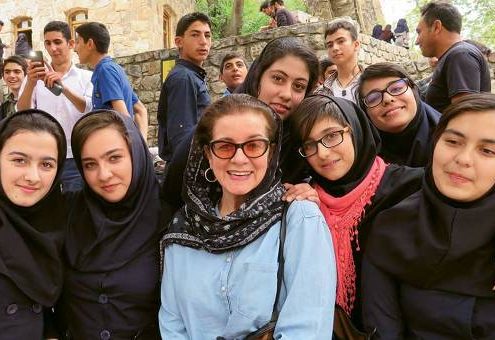
“Everywhere in the world people are lovely, but wait to go to Iran” is a statement that Daris has written after his presence in Iran.He says all the Iranians have several reactions in the face of foreign tourists.”As soon as you arrive in Iran, a number of things are quite clear. Iranians are very curious about foreign tourists.When you cross the border, the local people on the street warmly welcome you and say “Welcome to Iran.” The people of Iran always have three main questions: where are you from? What religion do you have? What do you think about Iran?
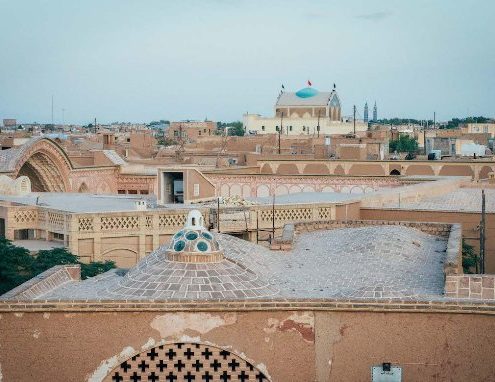
Hospitality is part of the Iranian people’s culture, But they are worried and embarrassed by the image that the media shows.But the Iranian people know who they are and they are proud of being Iranian.

Iranians are not bombers

One of the things that foreign tourists do after traveling to Iran is to eliminate the common misconceptions that the world has about Iran.Some of these perceptions about Iran are so scary that when you speak of Iran as a tourist, you see the fear in the face of others.People think Iranians are Arabs! But they are not.People think they are bombing in Iran, but they will never do that.People think Iranians hate the West, but they are not.These are part of the truth of the Iranian people, which you yourself should observe and touch.

The Iranian people are so kind

Most tourists say Iranians are the warmest and most welcoming people ever seen.”The Iranians are willing to ride hundreds of miles with their car with you, even if their route is completely different.Or better, They bring you to the path you are looking at, which is tens of kilometers away, and then they say, “Yes, this was my route to buying some things:
For Iranians, the guest is very respectable.And in the Iranian people’s culture, it is the God’s friend.
Maybe when you read this, say why?All this has one similar reason: that the Iranians are wonderful.They are sometimes too good!Nicholas also says about the moral character of the Iranians,”You do not even need a handbook in Iran. You just have to be in a stunned face on the street to see how an Iranian invites you to his home.In Iran, wherever you are, when you pull out the map, there is always someone to help you. If you look a little thirsty, there’s always someone to invite you to a tea.After a few minutes, your new Iranian friend invites you to his home.

10 Advantages of traveling to Iran ( Americans’ point of view )

A US news agency wrote in a report outlining the 10 advantages of traveling to Iran.These days are beginning of an endless period of foreign tourists flooding into Iran.
You may be thinking of choosing a unique and interesting tourist destination.In this report, we provide 10 reasons why you should overcome your hesitation and travel to Iran as soon as possible:


1. Iran is safe

Is the trip to Iran safe?You travel to Iran individually or in groups,you are woman or man,you arrive day or night.In any way you enter Iran is a safe country for tourism.
I traveled to this country with my friend for 2 weeks, and went overnight on a bus from city to city.According to my observations, since women at night can travel easily in Iranian cities, I can assure you that Iran is a safe country.

2- Iran is well known
Iran has been introduced by many authorities as one of the most popular travel destinations.I can only tell you that these days are the beginning of an endless period of foreign tourists flooding into Iran.

3. Hospitality
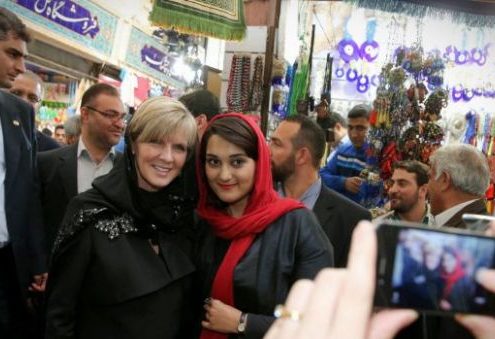
Iranian people due their culture are hospitable people.From Tehran to Tabriz, when you meet the Iranians, they invite you to their home.Of course, you should be familiar with the persian Compliments tradition of the Iranian people before traveling.Because you might want to get off the taxi,Encounter the driver,and say goodbye to him, without paying the rent, because of the uninformedness of this tradition.


4. Ancient history
Persepolis is the most famous historical place of Iran.But it is not the only historical place in this country.From old persia up to Modern Iran,It is a long historical journey that you can experience by traveling to this country and viewing monuments of different periods.


5. Iranian Architecture

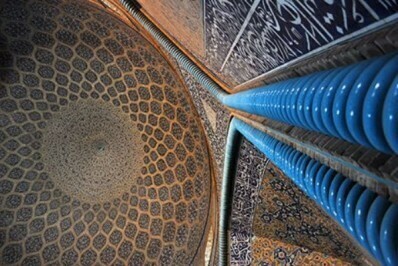
If you look at a mosque, a palace or an Iranian market, you will see fine ornaments.It is not important whether you are inside or outside an Iranian building.In any case, the elite Iranian architecture is definitely something that attracts you as a tourist.

6. Handi Crafts
Each of the provinces, cities and even villages of Iran has its own specialty.In Yazd you will buy a beautiful cashmere,In Tabriz, you buy rugs and in Isfahan beautiful decorations and tiles.Anywhere in Iran you can go home with a unique souvenir.
 

7-Iranian food
From pistachios to black tea from saffron to kebab,all Iranian Foods are addictive,And you will go back them again.But if you ask about the most delicious Iranian food, Pistachio and Baghlava(Iranian sweets) are the best.Some foods as Ghorme Sabzi are national and you can find them anywhere.But some foods are special in certain areas of Iran,like Mirza Ghasemi in North of Iran.
 

8. Cheap

Due to sanctions or the result of the devaluation of the national currency, travel to Iran is now very cheap.A train journey from Tehran to Tabriz is 10 euros and a bus trip from Ardabil to Lahijan is less than 6 euros.The cost per night in a 4 star hotel is around 130 (2017)euros.

9-Quiet space
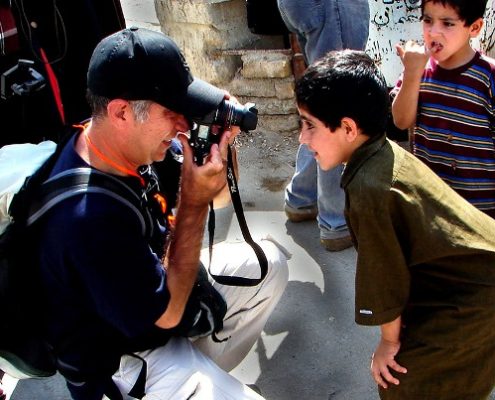
Iran’s atmosphere is very calm,You can easily take photos in many places.The Iranians are very sociable and very happy to be your next subject for taking photo.


10-Experience a truly trustable trip
The Iranians flaunt their culture and traditions.They never lose the opportunity. To explain what you can see, eat, hear, and … in different parts of Iran.
The country of Iran, with its rich culture and civilization, is the only place where you have to travel there for a better understanding and  getting know it.

Iran country is full of spectacular attractions that strike many eyes from around the world.
The history, architecture, culture, nature and other Features of Iran have led tourists from many other countries to come to Iran.
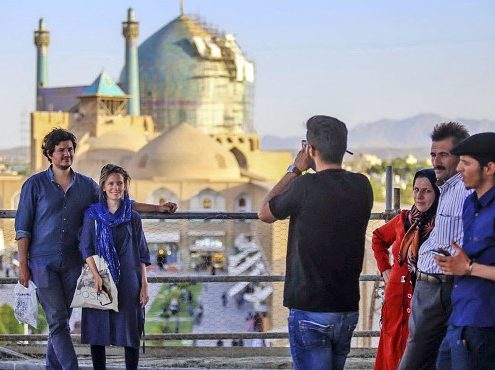
The media in the world do their best to provide a very different picture of the reality of Iran.The inhabitants of the West hear the name of Iran reminding them of nuclear energy, war, and terrorists, and never count on it as a tourist destination.There are many who do not care about this.They hang their bags and go to Iran to touch themselves closely to the reality of this country and its people’s culture.All of them, upon arriving in Iran, see everything different from what the media says, and they say to their relatives when they return from a trip.The images published by tourists and their travelogues from Iran have undermined all previous media equations, making Iran’s name the top destination for many tourists.

In this article, we will pay attention to the views of tourists who had traveled to Iran.

1-Iranians | Hospitable people
One of the features that most tourists point to is Iranian hospitality.

Nicole Beattie(Nov 2016):
In contrast to what we have read in the newspapers about Iran and Iranians, or in the media, the people of this country are very friendly.Many times young people came to us and asked us: “Where do you come from?They wanted us to say our opinion about Iran.The people of this country do their best to make you feel strange and have the best moments.The people of this country are doing their best to give you the best moments.

Chris Nielsen(Oct 2016):
My wife and I traveled to Iran with a tour.It was a B.B Tour.So it was the best time to leave the hotel and visit the people and local restaurant and talk with them.In Iran, all people are trying to talk to you somehow.They had a very warm and friendly behavior with us.They initially thought that we were German or French because there are many tourists from these countries in Iran.As soon as they realized that we were Americans, people quickly asked us: “What do you think about Iran?It is important for them to figure out what image of their country is in the minds of others.When walking on the streets, many said: “Thank you for traveling to Iran”.Even those who did not know English were welcomed to us as a stranger by body language, for example by putting their hands on their hearts.
One time we went to a mosque during prayer.We thought we would not be able to enter.But although men must be separated from the women in mosques, they should allow us to sit side by side and watch them.This experience demonstrates their hospitality and was wonderful for us.

Read More:  Foodie tour of Iran

Cynthia DeKay(May 2012& Jul 2016):
Media in the West are trying to make Iran a backward country with violent people, but Persian awaits you in Iran  completely different.The Iranian people, especially in Isfahan and Tehran, know English well and you can easily communicate with them.Iranians are educated, friendly,  hospitable and intelligent people with good technology.I once stood at a gas station, talking with a truck driver and ask him with the Persian language.At first, he did not understand what I meant, but he could communicate with me a little later.There were a lot of watermelons in the truck, the driver picked up one of them and gave me as a sign of respect and greetings.

2-The Iranian separate the American people from the government of this country.

Esther Hui(Apr 2016):
The historic hostility of Iran and the United States is particularly popular, And I imagined that the Iranians did not like the Americans.But I saw the opposite in Iran.The Iranian people, while hostile to the US government, separate the people of this country from its policies and behave very kindly.The US government’s ban on traveling to Iran has made me very worried.Because it may ruin the imagination of the Iranians towards the Americans and imagine that this travel ban is also demanded by the Americans themselves.

Cynthia DeKay(May 2012 & Jul 2016):
You will be amazed at the extraordinary sense of security that you have in Iran.The number of street crimes in this country is much lower than in other countries across the world and even in Europe.The people of this country have no hostility with Americans and love to communicate with new tourists from all over the world.

Chris Nielsen(Oct 2016):
When we stood in a square in Isfahan, we saw one of the anti-American banners.The people saw us taking pictures of this banner, They came to us and started talking, They said that the people of Iran, love the United States people, but they do not understand the policy of this country and tried to make us understand that the banner is not meant for the American people.

3. Homemade dishes better than restaurants

Esther Hui(Apr 2016):
Try to get a table in Iran with an Iranian family Because the best foods in your home are not restaurants, We ate delicious food in Iranian homes, But One of the most memorable promises of our food was the plum chicken stew with Iranian rice cooked by the mother of a native family in Iran.Along with these delicious dishes, the smell of fresh bread gives you a fresh breath.Older people know less English, but young people will easily communicate with you and gives you the opportunity to learn more about their country and their culture.

Chris Nielsen(Oct 2016):
My wife loves street and house foods and savors fresh flavors on the journey.We were very disappointed in Iran when we found out that we are planning to go to the restaurant for more food.The menu for most restaurants was the same.But the best food we ate during the trip was unforgettable homemade barbecues.

4. The Caravanserai that you will never forget

Esther Hui(Apr 2016):
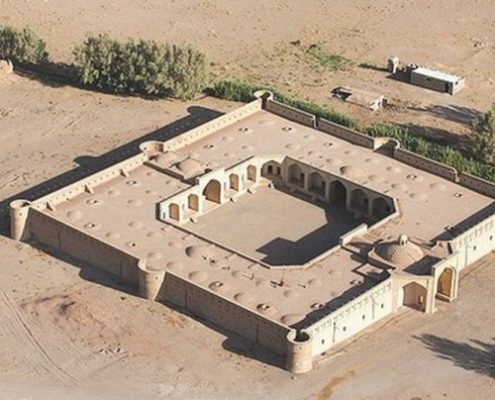
One of my best memories of Iran was staying in a caravanserai in the middle of the desert, which turned into a hotel.Accommodation in this place takes you to the Middle Ages.Describes a time for you when the caravans and merchants stayed at this place, they ate food and traded and continued their journey on the Silk Road.

5. Outstanding and colorful attractions

Cynthia DeKay(May 2012 & Jul 2016):
Ali Ghapoo Palace and Vank Church in Isfahan, Silence Tower in Yazd, Zein o Din Caravanserai, watching the sunset on the roof of Yazd home or Nature bridge in Tehran All are attractions that will never be erased from your mind.Among the delicious Iranian experiences, Fallod e Shirazi, which is the most delicious way to deal with heat, and you should not lose sight of visiting Shiraz.Drinking Iranian tea with sweets is one of the most important experiences that you do not forget.

Nicole Beattie(Nov 2016):
From the mirror-work of the Golestan Palace in Tehran up to desert and grassland in central of Iran, all have all their attractions and are stunning.
Visiting the Tehran carpet museum with a collection of rugs from the third to fifth centuries BC was one of my best experiences on this trip.The Museum of Reza Abbasi is another unique attraction of Iran with a collection of Iranian art related to the 2nd millennium BC.
But if you are not interested in history and architecture, you can not ignore Persepolis, the capital of the Achaemenid, and do not be surprised to see the pillars and the beauty of this palace.The Treasury of National Jewels of Tehran is a place that you should not miss at all.A collection of royal crowns and royal jewelry can be found at this museum.

6. Isfahan should not be missed

Esther Hui(Apr 2016):
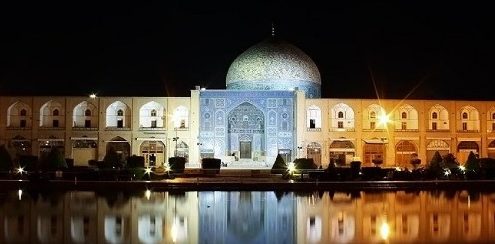
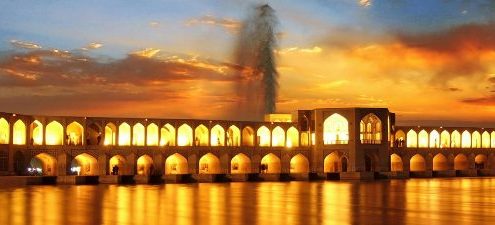
One of the most prominent cities in Iran is Isfahan.This city is known as half the world or the museum city.The most beautiful historical sites in Iran from 2000 years ago are visible in this beautiful city.The bridges over Zayande Rod (River) and also Imam mosque are the best beautiful scenes that you can watch at night.

Chris Nielsen(Oct 2016):
Isfahan was my favorite city on a trip to Iran.You can see the art in all part of this city.Colorful tiles, large and blue dome of mosques, Clean streets, nice Bazar and beautiful bridges over Zayande Rood are all that you expect from a tourist city.

7. Saffron | Iranian Red Gold

Esther Hui(Apr 2016):
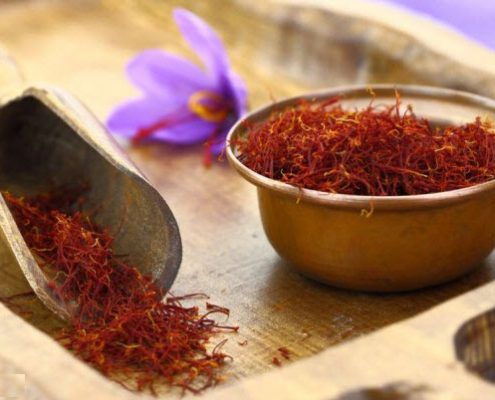
I love saffron, but because of its high cost in the United States, I’ve consumed very little of it.On my trip to Ira, I realized that 95 percent of the world’s saffron is produced in the country.In Iran, saffron is one of the ingredients in the preparation of many foods.I was very surprised that I could buy saffron at a very low price.


8. There is always a new attraction

Esther Hui(Apr 2016):
This time I go to Iran, I want to see the Treasury of National Jewels of Tehran.There are eye-catching Crowns and Necklesses in this museum.Last time I hadn’t enough time.

Cynthia DeKay(May 2012 & Jul 2016):
There are so many things in Iran that I could not see.For the next time, I will go to the Caspian coast and I will enjoy the Mediterranean forests.

Chris Nielsen(Oct 2016):
I would love to see Iran’s forests, Next time, I will spend more time wit the Iranian family.