Travel anywhere in Iran You will find luscious food.Iran is known for its delicious and Varied foods.A lot has been said about traveling to Iran,But not about Iran’s food trip.
Seeing new attractions and places, getting to know each other’s ethnicities and customs, buying souvenirs, and at the top of all this, discovering new dishes and tasting them is definitely one of the most beautiful experiences of travel.
Especially for us, the Iranians who have more than 2,500 types of food in our culture.
Iranian food or Persian cuisine refers to traditional and modern delicacies from Iran. Situated between the Mediterranean Sea, Central Asia, the Caucasus, the Indian subcontinent and Anatolia, Iranian cuisine offers a common history and ingredients with Mesopotamian cuisine and Mediterranean cuisine. Fresh green herbs are often used together with fruits such as plums, pomegranates, quinces, plums, apricot, and raisins.
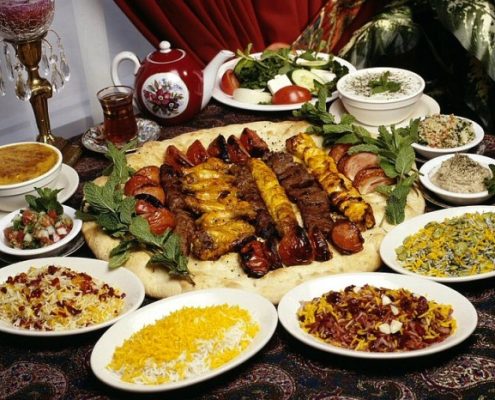
 

Typical Persian main dishes are a combination of rice with meat, lamb, chicken or fish and some onion, vegetables, nuts, and herbs. To achieve a balanced taste, characteristic Persian flavors such as saffron, dried limes, cinnamon, and parsley are tenderly mixed and used in some special dishes.

Most Iranian cuisines are made up of a wide variety of herbs and aromatic herbs with all kinds of meat.These types of meat include domestic animals such as goats, sheep, birds, and fish species.This diversity of food is more related to the religious laws existing in Iran and Muslims.But this limitation has made Iranian food popular among other nations as well.
Iranian food or Persian cuisine refers to traditional and modern delicacies from Iran. Situated between the Mediterranean Sea, Central Asia, the Caucasus, the Indian subcontinent and Anatolia, Iranian cuisine offers a common history and ingredients with Mesopotamian cuisine and Mediterranean cuisine. Fresh green herbs are often used together with fruits such as plums, pomegranates, quinces, plums, apricots, and raisins.
Imagine a green landscape filled with rice fields, tea plantations, and olive groves. A country where you can walk the mountains in the thick mist of the morning and in the afternoon you can plant waterfalls on sun-drenched rocks. A country filled with golden apricots that taste like a honey, peaches so juicy, hardly notice the sweet juice that runs down the chin, and little black figs, firm and velvety to the touch, which with sticky Tack out stickiness while you tear it open. I enjoyed all these pleasures and more when I traveled through Iran in search of the secrets of Persian cuisine.

On your journey, you can cook and feast with Iranians of all walks of life who welcome you into their homes to share their favorite recipes.In a country, most often viewed through the narrow prism of its policy, the food is a wonderful vehicle for the discovery. A really good meal is something that everyone can relate to.
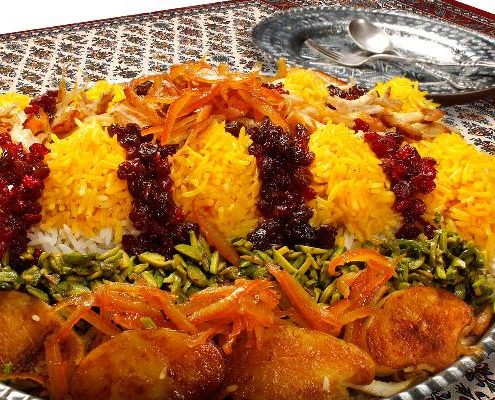
Those who are not familiar with the food culture in Iran may assume that these foods are very flammable or spicy.But it is, in fact, gentle and soothing, a poetic balance of subtle spices such as dried limes, saffron, and rosewater. Slow-cooked stews, known as khoresh, and elaborate rice dishes layered with herbs, vegetables, nuts and dried fruit are the bedrocks of Persian cuisine, creating a dazzling mosaic of scents, textures, and colors at the dining table
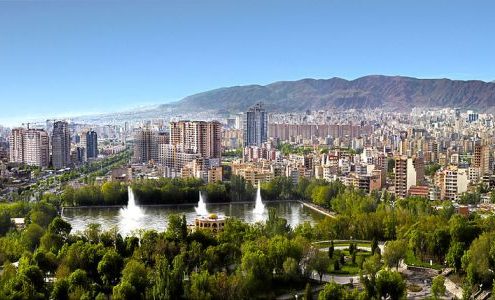
we start our journey from west of Iran Tabriz, the first capital of Safavid dynasty(1502–1736), a place of culinary connection for centuries, a trading crossroads connecting the Caucasus, the Middle East, and Europe.
Tabriz women are very well-known among Iranian people, who are well-versed and well-cooked.
There is a famous proverb in Iran that says ” marry women in Tabriz” it means that the girls and women of Tabriz are well known at Housekeeping and cooking.
Today, the bazaar is a Unesco world heritage site and nearby is one of the best places in town for preparing a different kind of spice, famous dried vegetables and other nuts for a unique Tabrizi food.
The famous food Kofte Tabrizi which is made by Rice, Meat, Split chickpea, and different kind of Spices and dried herbs and make as like as a small ball.
Continue your sightseeing tour in the city to reach the famous public Park: El Goli”.Around the park, you will be welcomed by a variety of street restaurants with a garden of tall trees and water like a paradise.In these beautiful gardens, you can enjoy a variety of traditional cuisine of Tabriz with the right price and quality.And for the last part of the party, enjoy the grilled corn on red fires, to have a memorable night in the capital of the Safavid kings.
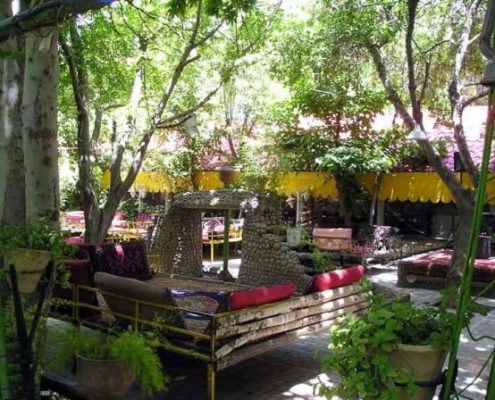
We continue our journey to the south of Azarbaijan province and North of Iran, along with the green belt of northern Iran along the Caspian Sea the biggest lake in the world and also the most expensive black gold ” Kaviar”.
The cuisine of Gilan is as green as its landscapes, making it the best place in Iran for vegetarians. Aubergines and garlic appeared at every meal, alongside the mounds of fresh coriander, parsley, and dill that are used to create fragrant bases for stews and emerald-green kuku (a type of frittata).
You can walk in the hills and groves of this green land and talk to people to know their cookie codes.
Gilan is also home to one of Iran’s most famous dishes: fesenjoon, chicken poached in an earthy sweet-and-sour sauce of ground walnuts and pomegranates.of course one of the most famous vegetarian dish in Gillan is Mirza Ghasemi which is made by egg, yogurt,tomatoes and garlic that is served by all kind of dishes.
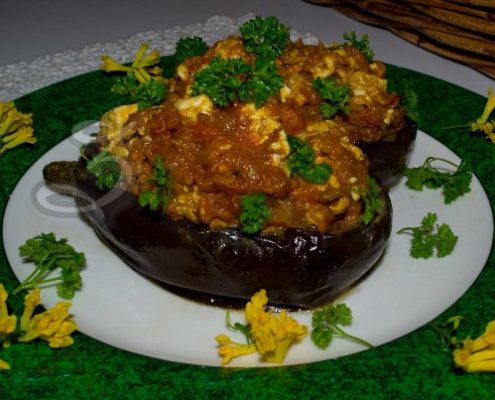
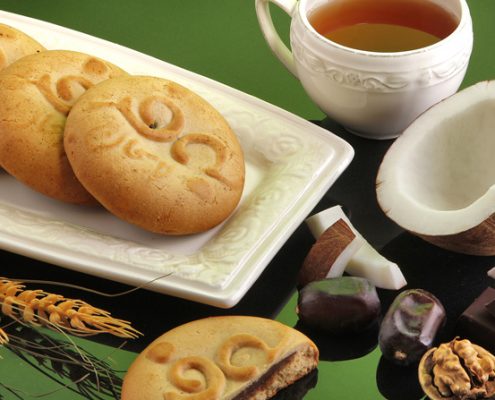
No trip to the region would be complete without sampling koloocheh, small pastries stuffed with ground walnuts, cinnamon, and cardamom which are the specialty of Fuman, or Lahijan With Iranian tea specializing in Lahijan.
Of course, it should be noted that the culinary culture in the three northern provinces of Iran is very close to each other.
In the continuation of our trip to Tehran, we will reach the capital of Iran’s political, cultural and economic life.
A modern city more than you think about.
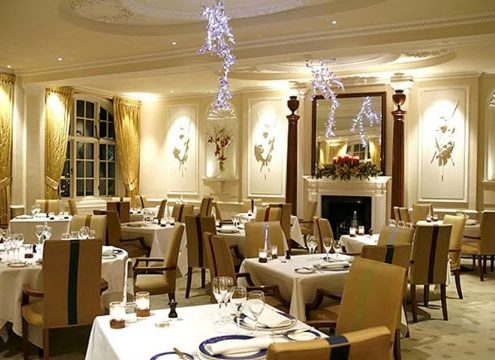
Long, high-rise buildings, clean, and most importantly diverse restaurants, where you can find a variety of modern and international cuisine.
Tehran is filled with upscale restaurants serving dishes ranging from sushi and frozen yogurt to dizi, a lamb, chickpea and potato stew made to a centuries-old recipe, cooked in a clay pot for several hours until the meat is so tender it can be mashed into a paste with a fork.
One of the best areas at Tehran for food and nature simultaneously is Darband the Northen neighbor of Tehran at the foot of the Alborz mountains.Finish the night by relaxing on faded Persian carpets in one of the many small wooden pavilions up and down the road and join the locals in smoking some apple-flavoured shishas.
In central Iran, I visited saffron farms, rose water fortresses and pomegranate plantations and discovered the history and horticulture behind Iran’s most demanding ingredients. The pomegranate is indigenous to Iran, and in ancient Persian mythology, the heroic warrior Isfandiar is to eat his seeds and become invincible. Today pomegranates retain their almost mythical status and are revered as the favorite fruit of the nation. As well as being enjoyed on your own – their scarlet seeds with a pinch of Golpar, an earthy, citrus spice – injected – they are also salted, dried and boiled in molasses to be added to tasty dishes.
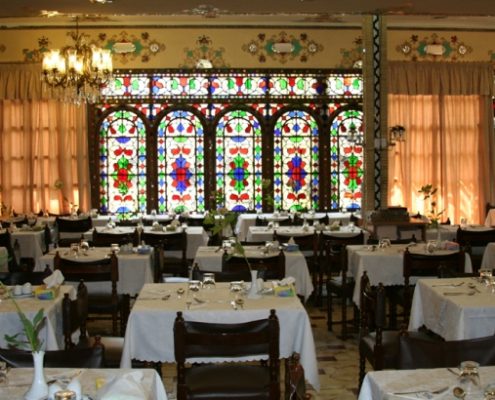
Esfahan province and Esfahan, in particular, had been the capital of several government dynasties in Iran, such as Seljuqs, and the most important of them was the capital of the Safavid government.The city of Isfahan or known as “Half of the world” or The Museum City is one of the world’s most beautiful cities, an unforgettable international tourism destination popular all of over the world, an encyclopedia of Iranian and Islamic civilization.
In this beautiful city, besides visiting the most beautiful historical works of Iran from 2500 BC, you can enjoy the most delicious cuisine in the various restaurants in this city.One of the most famous foods in Isfahan is Buriani, which is made with lamb, tomato, onion, pepper, turmeric and other spices.The most famous restaurant in Isfahan is Shahrzad where you can eat the best dishes with a reasonable price.

The city of Shiraz is synonymous with verse, and with the roses that twist in the town’s well-known garden, Bagh-e Eram. Roses are indigenous to Iran and it was here that the petals were first refined into rosewater, more than 2,500 years back. Today, this is chiefly utilized as a part of treats, for example, faloodeh, a fragrant and reviving rosewater and lime sorbet with solidified vermicelli. The Hafez plant is one of the best places to test this nearby claim to fame and I was taken there by Shahin Hojabrafkan, a good looking and beguiling used auto businessperson. We sat neglecting Hafez’s sanctuary, pressing wedges of lime into our fragrant rosewater-mixed sorbets and watching a constant flow of Iranians pay respect to their most esteemed artist.
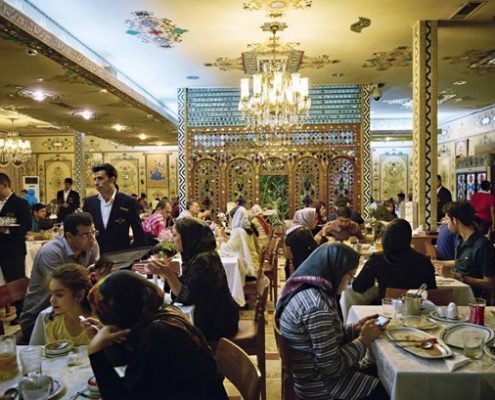
The last stop on your ventures is the southern port town of Bandar Abbas, on the Persian Gulf. Bandar, as it is known, is a town of burning daylight, warm blue waters and towering palms, and was at one time a critical post on the flavor course from India to Europe.
By appear differently in relation to whatever remains of Iranian cooking, the sustenance of this locale is an ambush on the faculties – an exciting blend of Persian, Indian and Arabian flavors. Tropical natural products, for example, mangos, pineapples, and guavas, are picked green and utilized for Indian-style pickles, and fish from the warm Persian Gulf is stewed, flame broiled as kebabs, or matured, dried and ground into powders and glues.
The best place to test the day’s catch is the fish showcase, where beefy men yell their arrangements of the day and ladies squat on the floor beside them, deftly shelling prawns. By the market, a line of fish eateries serve specialties including ghaleyehmaygoo – a prawn, new coriander and tamarind stew – and little hot fishcakes called kuku-ye mahi,
Voyagers in Iran are dependably met with warmth and cordiality: it is normal to be welcome to an Iranian home for supper after simply trading a couple of merriments. For those wishing to extend their culinary learning, or just appreciate a standout amongst the most complex cooking styles on the planet, Iran offers an abundance of culinary pleasures. The main test for most guests will be pressing into their pants toward the finish of the excursion.
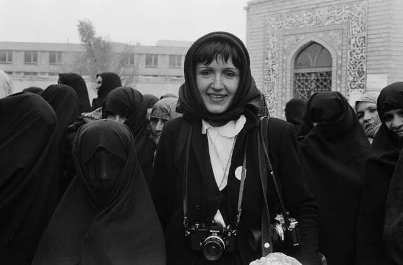
 

Traveling to Iran from the perspective of an American woman tourist

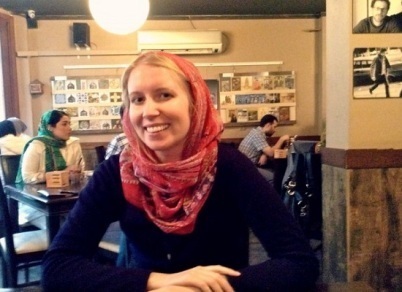
Silvia Lawrence is An American woman traveler who traveled to Iran in 2014.After returning from the trip, she received many emails from her fans sharing her memories.He describes the most important and most practical points that every tourist must follow in his trip to Iran.This American female tourist is keen on introducing himself as a Norwegian because of his interest in Norway and his beauty.

Sylvia Lawrence
She traveled to more than 70 countries and now has a home in the mountains of Norway and is happy with her life.Sylvia is essentially an American, but because of its great interest in Norway, it considers itself a Norwegian and even has its own passport.She wants to travel alone to other countries and travels to Iran and other Middle Eastern countries in 2014.

Traveling to Iran from the perspective of a tourist woman

1) Find a host for your first night in Iran and then stop planning for a trip to Iran.
With a 2-week visa for this tourist, visiting all the tourist attractions in Iran seemed unimaginable.She decided to be more popular among the people from the second night.In this way, She could get acquainted with the culture and customs of Iranians and gain amazing experiences.
You should always find good hosting to provide you with a lot of information.

2) $ 5 per day is sufficient.
Perhaps many tourists would like to spend more on traveling to Iran than Silvia, But she only brought $ 400 for 2 weeks, and at the end of it a little money was left.
Always have cash with yourself, inPersianNo credit card is accepted in Iran.

3) Learn to count and write fromin Persian.
When you enter a shop and you can read and count Persian, it will help you a lot.It is very good that you understand the prices, also the shopkeepers are very happy that a tourist can speak their tongue.


4) If you are a tourist woman, be sure to have two types of dresses, one the main dress and other manto.
The foreigners are not familiar with the mantle, they say, volunteersit covers the hands and stretches to the knees.In public places, you should use this type of cover to avoid any problems.MaVolunteers are dissatisfied with this.

It does not matter, But it’s important that you respect the beliefs of a nation.

5) Drink a dough.
Most foreign tourists enjoy dough and taste, and they call that magic elixir.Eating traditional Iranian dishes with drinking dough is very enjoyable for tourists.
Tourists have an interest in drinking traditional and cool dough.


6) You will love Iran.
You will have a great sense of hospitality of Iran and its historical monuments.Not only Iran’s warm people, but also the natural scenery and historic sites, will give you a good sense of it.

Each tourist wants to return to Iran after leaving Iran.When you talk to an Iranian, you can easily see kindness and goodness in their eyes.They do the best for you when you are their guest.
Iran can be a wonderful destination for tourists.

7) Try to see the whole of Iran.
Each city in Iran is full of tourist attractions that fascinate you.From northern Iran, it has a lush and beautiful nature, up to the warm and beautiful South, with its peaceful beaches.Always remember to capture every moment with your camera.
Each city has its own local and traditional food and should be tested.

American tourist Iran embraces visitor with warm welcome many speak English love talking and posing photos with Americans

American tourist Iran embraces visitor with warm welcome many speak English love talking and posing photos with Americans


I’m Philadelphia Inquirer, and I’ve had a trip to Iran.I studied for many years about Iran’s rich history and I was eager to see its wonders.But when I told my friends that I was planning to travel to Iran, ..They told me, You are crazy! Because they believed that Iran was not safe and its people were hostile to Americans.But that was not true. I traveled to Iran and the friendly welcome of the people reflected the beauty of Persian culture.I started my 11-day trip to Iran from the ancient city of Persepolis, where 3,000-year-old palaces and gateways built by Xerxes and Darius the Great still stand.Although the city was looted and partially destroyed by Alexander the Great in 331 B.C., many of the original structures remain in a somewhat diminished but rehabilitated form. Persepolis, now a UNESCO World Heritage Site, lay dormant for centuries until the 1930s, when restoration efforts began. Although it is the chief tourist attraction in Iran, it is only one of many joys I experienced.

I traveled to 10 Iranian cities in total.A trip that started from Shiraz in the south and ended up in Tehran.The weather in most places in April was fairly good and made touring enjoyable.There were some inconveniences along the way: no ATMs, no credit-card charges, and no use of U.S. dollars. However, I adapt.

My favorite cities were Yazd and Isfahan.The city of Yazd, near the central desert of Iran, is one of the oldest cities in the world.Quaint narrow streets included 2,000-year-old houses, making it fascinating to wander and explore, especially for someone who spent his childhood in Swampoodle.

Isfahan as one of the most important tourist cities in Iran is very beautiful.Nice bridges over the ZayandehRood (River) , beautiful mosques, great palaces and magnificent mosques in Isfahan attention by all tourists.

The trip’s highlights were the bazaars, the mosques, and the people. Every town has at least one bazaar where it seems one could walk forever under cover with shops on either side selling almost everything. Bazaars are the Iranian version of American shopping malls – without endless parking lots wasting space.
Resplendent in their beautiful architecture and breathtaking interiors, the mosques mesmerized me. I visited as many as I could. My favorite was Cheragh in Shiraz, with its gold-topped minarets and mirrored tiles on interior walls.

As for the people, many speak English and love talking with and posing for photos with Americans. I posed with as many as I could. Three encounters heightened my impressions of the many people I met:

One evening, when I wandered around, I followed a local synagogue in Isfahan, A man in English asked if he could help me?When I told him my destination, he took me across the street to a plain building that housed the synagogue, rang the bell, and explained in Farsi over the intercom that I was eager to see the interior.

One night in Tehran, my camera battery was running low, and I didn’t have my charger.An English-speaking man in a camera shop said he had no chargers for my camera, but he offered to charge my battery on his shop’s machine. We chatted for 20 minutes while the battery charged at no cost to me.

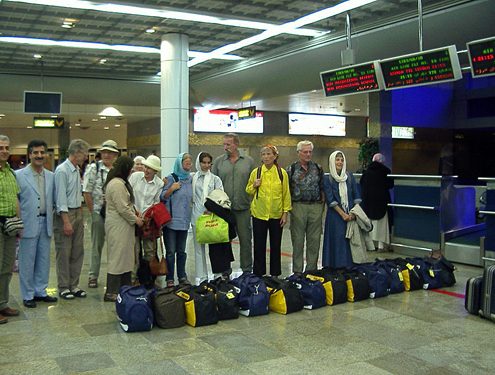
When I returned from Iran, my driver took me to Tehran airport, he also helped me to carry my luggage inside.

My Iran trip was one of my most enjoyable adventures in all of my travels.

The tagline of Destination Iran site, on top of all its pages, announces that a trip to Iran is “The Journey of Your Life”. I try to explain here why it’s so.

The people who travel to Iran have certain interests in ancient history, culture, civilization and architecture. They want to see for themselves how those factors have contributed to the formation of a unique society existing at this part of the world.

Ancient Persia’s Sights

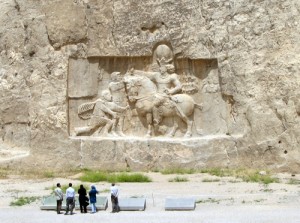
Shapur I Victorious against Roman Emperor, Valerian

Shapur I Victorious against Roman Emperor, Valerian

If you’re interested in learning more about the formation, rise and decline of the Persian Empire, making a journey to Iran will help you achieve this goal. The center of this ancient global power is at the heart of present Iran. Fars province offers plenty of valuable remnants of the antiquity where the emperors used to rule their vast territories. Persepolis is just one of such locations, which is one of the most famous Iran tourist attractions.

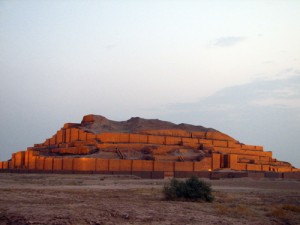
At the south west of Iran, there’s an Elamite temple in form of a ziggurat that predates Persian Empire. The ancient territories where Elam kings were ruling from was at this part of the country and the temple strongly expresses the magnitude of the royal power to build up such a structure. The efficiency in constructing such structure is implicitly suggesting how advanced the architecture of the time used to be.

Pioneers of Architecture

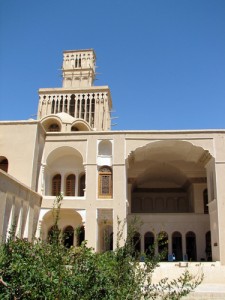
AqaZadeh House at Abarkooh, Iran

AqaZadeh House at Abarkooh, Iran

Ancient Iranians have initiated their own styles in architecture according to the requirements dictated by the climate, rituals, usage, etc at this part of the world. The people who travel to Iran can see the historical mounds where the earliest inhabitants of Iranian plateau have built their settlements and temples since 8000 years ago.

Achaemenian and Sassanian palaces introduce grand edifices built for various purposes from accommodation and administration to worshiping and burials. A good number of such sights are in reasonable condition and offer breath-taking visits to the explorers of ancient architecture.

Some of the elements created for such structures were later used by Iranians in creating Islamic architecture in the Muslim world. Without those elements, there wouldn’t be any Islamic architecture evolved as it is today.

Variety of Ethnic Groups

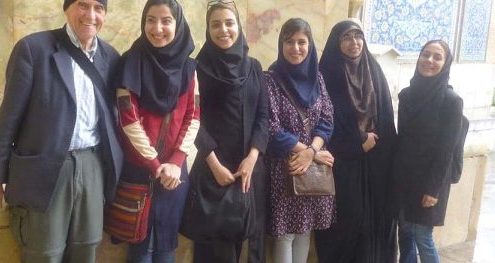
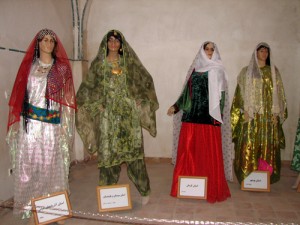
Ethnic Clothing of Some Iranian Women

Ethnic Clothing of Some Iranian Women

When you take one or two weeks traveling in Iran, you will notice the variety of ethnic groups in Iran. Persians, Kurds, Azeris, Arabs, Balochis, Gilakis, Armenians, Assyrians, Turcomans, etc are among these groups. They have their own dialects, languages, etc and follow the traditions that are, at times, thousands of years old.

There are still some nomads living in Iran pursuing the same migrating models of their ancestors. You may happen to see them or ask your travel agent to organize such meetings with them during your tours to Iran. Qashqai, Bakhtiari, Shahsavan, etc tribes are living at different parts of Iran and a visit to Iran may bring about a meeting with them.

Birthplace of Ancient Religions

Chogha Zanbil Ziggurat

Chogha Zanbil Ziggurat

Iran is the origin of some of the ancient religions influencing various nations, religions, cultures, etc. Zoroastrianism, Mithraism and Manichaeism immerged in Iran. The worship of Anahita, the Goddess of water was carried out in Iran. Christianity was largely influenced by Mithraism.

Today the majority of Iranians are Shiite Muslims. This branch of Islam is different from the majority of the Muslim world’s Sunnis. The reasons could be sought in the ancient history, culture and religions of Iranians.

Conclusion

Traveling to Iran isn’t just visiting a country. If you want to learn about the countries around Iran, their vernacular architecture, traditions and celebrations, architecture and arts, and so forth, Iran is the key. What you see here plus the impression you get from the Iranians in the streets will place a strong positive and rich impact in your mind and at your heart that you will not easily forget.

Visit Iran and see it for yourself that it will be “The Journey of Your Life”!

Women Traveling Alone in Iran even to a Remote Village like Kandovan

Women Traveling Alone in Iran even to a Remote Village like Kandovan


I keep receiving several emails from women traveling alone concerned about visiting Iran with a driver. What makes them worried about such trip is the possibility or correctness of taking such a trip to Iran. As many ask similar questions, I will try to eliminate the worries to help clarify if it’s the right decision for you to be the women traveling alone with a driver in Iran or not!

First Thing: Why with a Driver?

Some may have decided to make a journey to Iran without a driver and prefer to take buses, trains, etc. Well, some do this, but here’s my idea why it could be very helpful to hire some transportation service.

Iran is a vast country and the distance between some of the major highlights isn’t short. It could be around 500 km. Of course, I believe it’s quite worth traveling such distances and learn about the real life of the people in the countryside. When you have your own means of transportation in Iran, you can decided where to stop, skip, stay longer, etc.

Professional tourist drivers know how to safely drive foreign travelers to make them feel comfortable and confident that they would be least likely faced with traffic accidents. Some local bus drivers or even car drivers may follow the general norm of careless I-am-the-master-of-driving cliche in Iran and traffic police is very much against it. Yet it exists! A safe driver can make huge difference in enjoying your trip in Iran.

A Driver for the Entire Trip?

Now the issue is if it’s wise to take such long drives of the whole journey in a car with a driver.  You may have heard there are some Iranians speaking a foreign language or highly-educated in big cities like Tehran, Shiraz, Isfahan, etc, but you are going deeper into the countryside to explore the less-touched communities.

Is it safe for you to travel alone with a driver all during the trip? My answer is YES if you take the appropriate measures in choosing the right person. Please don’t get me wrong. I’m not trying to say any unknown driver could be a danger to your safety. This is not my point at all. What I’m trying to explain is that for the women traveling alone with a driver in Iran, there are some reassuring steps to take to make sure they’re doing this with the right person.

Who’s the Right Person?

Today, there are some national certified tour guides who guide travelers in their own cars. Buy one, take two! ? I mean you hire the services of a professional whose job is to guide tourists – regardless of gender – and drive them as well. This is becoming more and more common in Iran now as there are more demands for private tours to Iran than group tours.

These certified tours guides are the professional people who have:

  • gone through training courses;
  • been approved as capable of speaking a foreign language well;
  • been obliged to renew their cards once a year;
  • been approved from the ethical point of view;
  • etc.

As a matter of fact, you hire a professional tour guide registered with the tourism authorities to accompany you as a guide and as a driver. These people do all they can to keep their records clean and their clients happy. If there’s any complaints against them, it could jeopardize their career as their cards may not be renewed anymore. If their clients are happy, they would get more clients as a result of word of mouth and appreciation of their services.

Now Harvest the Benefits

The women traveling alone in Iran with a driver-guide will take advantage of hiring such people to drive and show them around in Iran. If you decide to travel as such, You

  • will be accompanied by a professional guide, not simply a driver;
  • will have no difficulty communicating with the local people on a personal level;
  • will spend as much time as you consider necessary in each spot;
  • will explore the depth of the Iranian’s culture on a tour customized for you;
  • will visit places that local buses or trains may never go;
  • will be able to customized your tour package before traveling to Iran;
  • will move faster from point A to point B and save lots of time;
  • will not find this against any norms inside Iran although it’s a Muslim society;
  • and so on.

Now, please let me know if there’s still anything making you worried about traveling alone with a driver in Iran. Share your concerns and let’s see how we can overcome them.

Iran Tourist Visa Is Required for All Foreign Travelers.

Iran Tourist Visa Is Required for All Foreign Travelers.


From various sources, you may have learned about Iran tourist visa and how to obtain it. Generally speaking, people come up with three major approaches to apply for a tourist visa to Iran. I’m trying to introduce these three outlooks so that you see which one could be the best solution for you.

Please keep in mind that I don’t consider any of the methods impossible or wrong. The reason to publish this post is to let you know what you should expect in each method. The decision will be yours.

Here are the three ways people choose to get their visas to Iran:

1. Apply for an Iran Tourist Visa upon Arrival

Some travelers think as they have read or heard that Iran grants visa to foreign tourists upon arrival, the easiest way to get it is to take no steps before arriving in Iran. So, when they arrive in Iran, they expect the tourist visa to be easily issued for them, but it’s not always the case!

Since the announcement of this news by Iranian authorities, several changes and exceptions have been applied to this arrangement. First of all, UK and US citizens as well as some other nationalities have never been included in the list of the nationalities obtaining their visas upon arrival. Secondly, this was meant for the travelers who wanted to visit Iran in less than a couple of weeks. To stay for a longer duration, they have had to extend their visas. To renew such visas, you will have to go to the same port of entry to renew your visa. Are you sure you will get it extended?

In addition, we’ve been recommended by the ministry of foreign affairs to inform our tour applicants that they should apply for a visa before they arrive in Imam Khomeini International Airport (IKIA) if they have planned to obtain their tourist visas upon arrival over there! Such visa application process could be both started by them or us.

Tip: If this method is how you want to obtain the visa, make sure you’ve applied for it and received the visa authorization number. Then, when you arrive it the port of entry, submit that number to get your visas in your passports. You can get this visa either by applying yourself or letting your tour operator to apply for you. The result should be the visa authorization number in your hand.

2. Apply for Iran Tourist Visa by Yourselves

Some independent-type travelers with lots of experience in traveling overseas select this option as they plan every step of their ways themselves. This is not an impossible solution to obtain a tourist visa to Iran, but could bring about some unexpected obstacle in your ways, consume a lot of your time, lead to issuing of visa in a time which is too soon or too late, etc.

Remember that you’re traveling to a country that is very much unknown to you in terms of how its administration system works. You’ll have to expect things not working as you had predicted. The reason is that applying for tourist visa and obtaining  it isn’t exactly the same process all over the world. Also, from cultural point of view, you may not be treated exactly like how German, Australian, etc embassy staff will respond you.

Tip: If you prefer to choose this method, spare some more time to make sure you will be able to obtain your visas in due time.

3. Leave it to Your Tour Operator

Some decide to leave visa application process to their tour operators. These are usually the people who select a tour package planned by local tour operators or their agents in their own countries. This may not seem very professional by the second group, but it definitely reflects the long-term experience of the travelers who have seen very different countries of the world.

This method saves a lot of time for the foreign tourists who want to plan everything ahead of time and prefer not to have any headaches in the process of visa application to Iran. On the other hand, as it doesn’t take a lot of time by the local tour operators, some of them don’t even include extra charges for such service. It could be part of the package.

Tip: If you prefer to receive the visa in your passport using this method, you should remember that you will pay the official authorities for issuing the visa anyway – like in other methods. It’s a fee paid to them directly.

If you are interested in learning more about the process carried out by a local tour operator to obtain Iran tourist visa, you can read:

What Do You Think?

You may have gone through one of these methods or intend to do so. You may have some questions in this regard as well. Please feel free to pose your questions here. I’m sure you understand that I cannot answer some questions like why you’ve not been granted visa in certain cases, etc. That’s something you can ask the ministry of foreign affairs!

Iran is quite a different country in the region when it comes to the possibilities of skiing in The Middle East! There are lots of huge mountains with high peaks and appropriate slopes for different types of skiing. As a result, ski resorts have been built for the skiers who love this sport. This type of terrain makes Iran a unique location for the people interested in skiing in the Middle East.

Ski Resorts in Iran

The highest peak of Iran is Damavand with 5671 m above sea level. It’s located at the North East of Iran on the Alborz range and can be seen from inside Tehran in Sunny days. You will find snow on top of this burned-out volcano almost all year round. Along the same mountain range and close to Tehran, there are possibilities of skiing at different ski runs. Dizin, Tochal, Shemshak and Darbandsar are such places for Iranians as well as foreign enthusiasts.

Dizin Ski Resort

If you’re looking for a unique possibility of skiing in Middle East or you’re living in a neighboring country, why don’t you consider going to Dizin? It’s the largest skiing field in the region. This resort is in a fantastic geographic location, near Tehran. So, you can drive directly from the International airport to Dizin and get there in a couple of hours.

One of the advantages of Dizin skiing pist is that it has different ski runs, for beginners and professional skiers,  so that you can ski in different styles one after another.

The ski lift will take you to an altitude of 3600 m above sea level, making it one of the top 40 high ski resorts in the world. There are several villas, hotels, cottages, restaurants, etc at Dizin.

Tochal Ski Resort in Iran

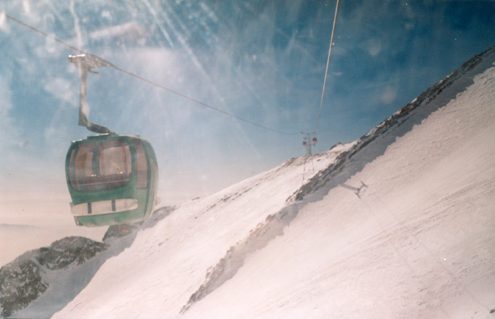
Tochal-Cable-Car

Tochal-Cable-Car

Tochal peak is right on the north of Tehran. It’s at an altitude of 3964 m above sea level and at a perfect condition for those who love skiing in Middle East. Access to the location is possible by cable car that starts from the north of Velenjak district in Tehran. A modern hotel has recently been constructed up at the peak for the skiers so that they can stay in a well-equipped accommodation.

You can combine Tochal with Dizin during your stay in Tehran so that you can ski at both places. Also, you can keep it at your list as an alternative for the second time you go skiing in Iran.

Other Ski Resorts in Iran

Alvares is the second standard ski resort in Iran after Dizin. Its altitude is 3200 m above sea level and located 24 km away from Sarein, near Ardebil. At Dizin, you can ski from December to May, longer than the resorts in Europe.

You can also opt for skiing in other parts of Iran like Mt. Alvand in Hamedan, Mt.Zardkooh near Shahr-e-Kord, Mt.Dena, etc where local ski resorts are available too.

Ski Gears for Winter Sports

It’s up to you to bring your ski gears or rent them here in Iran. Usually close to the ski pists, you can find some stalls where you could rent all types of ski equipments and ski-wears like Alpine skis snowboards, monoboards, cross-country skis, etc.

Of course, this doesn’t mean that you can find them at any corner of Iran where people go skiing. On the other hand, you may feel better at your own gears. So, brings yours if you feel better. At major ski resorts like Dizin and Tochal, you would usually be able to  find what you want to rent.

More important fact is, if you’re living in the region, Iran has got the best resorts as far as skiing in Middle East is concerned.

Wild Skiing in the Middle East

Mountains in Iran have got huge potential for the fans of skiing in nature. There are several peaks higher than 3000 meters on Zagros Mountains, Alborz mountains as well as other local mountain ranges. You can contact some local tour operator to make sure required services like accommodation, transfer, equipments, etc are provided prior to your trip to Iran.

Many professional skiers come to Iran from all around the world to go wild skiing. If the season is right and you arrange for everything before your arrival via a local company, you will enjoy doing this sport here. Iran offers the best opportunity for skiing in Middle East. Nowhere else all these factors are available to plan and travel for the purpose of skiing.

To order a skiing tour in Iran, you can visit Iran Skiing Tour page and ask for an unforgettable experience to be arranged for you.

For many travelers who want to visit Iran in a short time, it’s not easy to make a decision on what to see and what to leave out of the list. The reason is that as soon as you begin to read about this country, you find quite a lot of interesting historic sites and cultural points that make you want to see them all. Is it possible to see them all? Of course not! But I tell you it can be done.

See the Highlights

Think of the sites that Iran or Persia is famous for. Then, pick up the most famous ones and make a list of them. See if you can create a route in which the most significant ones can be visited during your visit to Iran. Plan the route, etc. Don’t worry about this as I’ve already done such a thing based on experience: Iran Highlights Tour!

This itinerary is based on the experience with the satisfied clients who have already made such a trip. This itinerary can be done with some prearrangement and considering certain essential features like desirable accommodation, services, tour guides, transportation and so on.

Tehran – The Modern City of Iran

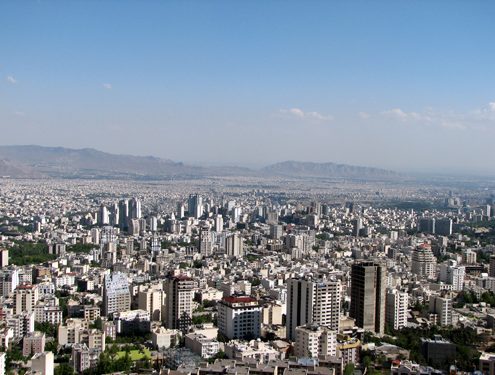
A View from North of Tehran

A View from North of Tehran

The capital city of Iran, an amalgamation of various cultures, languages, religions, etc into a huge foothill stretched from West to East (app 40 km) and limited between Northern mountain range of Alborz and Southern desert (app 40 km). Naturally, this vast area couldn’t be entirely an ancient city like many others in Iran. Tehran used to be a small village growing into a town about 210 years ago. Therefore, the monuments of ancient Persia cannot be found here. Instead, as the most modern city of Iran, it offers some of the best museums you can find in the whole country.

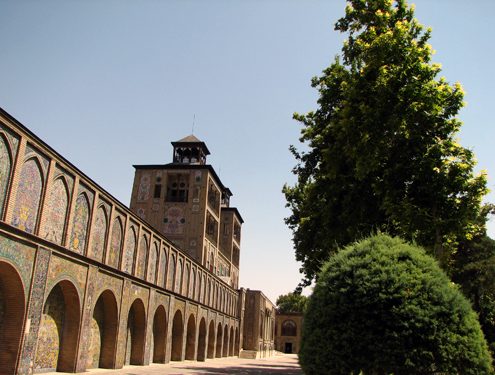
You can visit some of Tehran’s museums during the short time you spend there. Obviously, Iranian  National Museum, Golestan Palace compound, Treasury of National Jewels are some of the main places to visit.

Courtyard of Golestan Palace Complex in Tehran

Courtyard of Golestan Palace Complex in Tehran

Apart from these sites, Tehran showcases Iran’s transition from traditionalism to modernity. In one city, you can observe both traditional lifestyle as well as universal aspects of modern life: highrises, freeways, roundabouts, dress codes, hair styles, fancy cars, large villas, restaurants, shopping centers, coffee shops and so forth.

I would recommend you to take a look at some of these aspects to see how the country is developing for later comparison, in other towns, with certain aspects that have not changed for centuries.

Shiraz – The City of Ancient Persia & Literature

What the people of this city are proud of is the birthplace of ancient Persia. When you visit Iran and explore Shiraz, you discover the people with proud feeling of the past glory of Persepolis, globally known poets like Hafez and Sa’di as well as revitalizing Persian gardens.

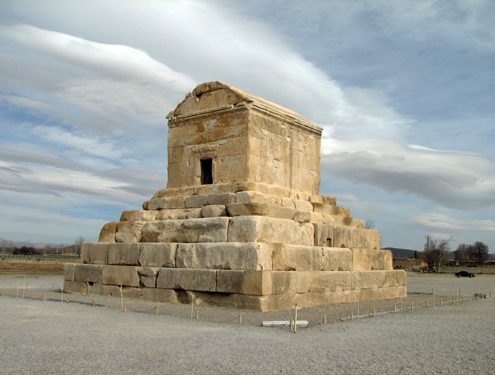
The sites containing the glorious memories of Achaemenian and Sassanian periods are all out side the city. Persepolis is the unrivaled palace complex of the antiquity and one of the highlights of this trip. Pasargadae holds the tomb of Cyrus the great, the architect of Persian Empire and the father of Iranian History.

Tomb of Cyrus the Great at Pasargadae

Tomb of Cyrus the Great at Pasargadae

The Bazaar of Shiraz is in one word beautiful. Remember to visit Saraye Moshir when you go there. Tombs of Hafez and Sa’dy have got several things to offer:

  • Art & Architecture
  • Garden Planning
  • Poetic Atmosphere & Books
  • Local People’s attachment to Poets

In addition to all of this, several highrises, shopping centers, universities, and companies are taking the city into the new era of modern life. The recent enlargement and expansion of the city airport as well as under-construction subway indicate the city plans to cope with the developments.

Isfahan – The Culmination of Islamic Architecture

Unlike many other towns of Iran, there’s a river snaking through the city creating a unique atmosphere with kilometers of gardens along the river banks. It’s spread out on Northern and Southern sides of this body of water and offers beautiful mosques, magnificent palaces, handsome bridges and marvelous city planning based on Persian gardens.

Safavids have done a lot to convert the whole city of their time into a garden through which small creeks bring water to irrigate trees and give life to all the neighborhoods. Palaces are all inside gardens and decorated with some of the most elegant miniatures painted by masters of this art in Iran. Mosques are the most breath-taking examples of building such structures in Iran both in terms of art and architecture. Hundreds of workshops, if not thousands, are producing more than half of all the handicrafts produced all around the country.

A View of Imam Khomeini Mosque in Isfahan

A View of Imam Khomeini Mosque in Isfahan

The city is rapidly developing into a modern city. There are several overpasses and underpasses on the newly-constructed freeways, shopping centers under construction and so on. Lots of heavy industries outside the city witness this change. Due to several universities, the young educated generation and a new wave of entrepreneurs change the face of business in line with the rest of the world. Subway is also under construction here.

Abyaneh – A Remote Village with Living Ancient Taste

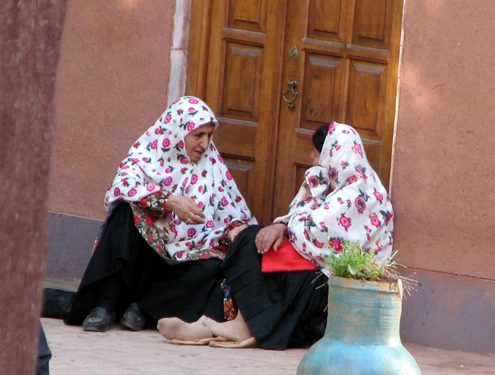
Time seems to have stopped here in several centuries ago. The way people get dressed, the animals they keep, the farms they have, the products they make, the houses they live in, all in all take you to the ancient times of Iran. They are proud of their cultural heritage and keep them as much as they can.

Women Having a Chat in front of Their Houses at Abyaneh

Women Having a Chat in front of Their Houses at Abyaneh

The children of many of these elderly people have gone through higher education and hold top positions at the universities inside and outside Iran. As soon as any of them returns home, you will see them in their local costumes like they’ve never left their village. They’re proud of their cultural heritage.

You’ve Covered Iran’s highlights in One Week

With this itinerary, in a short time, you will manage to see all this as well as natural beauty of mountains, deserts, caravansaries on the roads,  countryside and rural life and many other aspects of life, art, history and culture in a limited time. No wonder why this tour package is so popular among the inquirers who have allocated short time to visit as much as possible.

For detailed itinerary of this package, you can visit Iran Highlights Tour!

Preparation for Exploring the Highlights

You need to know the high season and low season, national holidays, religious occasions, types of hotels, dress code, Iranian food, etc to be able to get ready and arrange all you need before you arrive in Iran so that you can make the most of your time. This could be done through a local tour operator with enough experience and right attitude to understand your needs and advise you what suits your wishes.

Iranian cuisine offers a large variety of foodstuff, but not necessarily Iranian restaurants in general. In other words, people make and eat quite a range of different dishes at home. You can try them too particularly if you eat with them inside their homes. However, when they eat out and go to restaurants, many of them prefer grilled food that are not so easily made in apartments, meaning kebabs.

If you’re a vegetarian, then you have to be very patient, because there are not much choices in restaurants for you. Yet, you can always find some food and drinks in Iran for yourself by doing some little shopping and buying some of the world’s best nuts, dried fruits, fresh fruits, etc and have it with you during the trip.


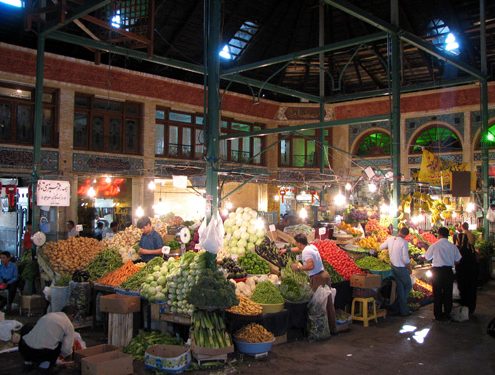
Fruit Market at Tajrish Local Bazaar, North Tehran

Fruit Market at Tajrish Local Bazaar, North Tehran

Iranian Kebabs

The fact is Iranian kebabs are prepared differently compared to those in Turkey, etc. Iran grills its kebabs in form of  skewed meat. When you’re traveling in Iran for a few days, you already know the restaurants’ menus by heart:

  • Minced Kebab (Kubideh)
  • Beef/Lamb Kebab (Barg)
  • Chicken Kebab (Jujeh)
  • Mixed Kebab (Bakhtiary: combined beef & chicken)
  • Chelo (cooked rice)
  • etc.

and for drinks:

  • Coca Cola
  • Fanta
  • Dough
  • Non-Alcoholic Beer
  • etc.

In some restaurants, they may go further and offer Caucasian Kebab, Bulgarian Kebab, etc! This is the general menu for food and drinks in Iran. Of course, there are some Western-style restaurants in big cities offering large variety of other dishes as well.

Apart from that, some other dishes are usually available like mixed rice with herbs, vegetables, etc that comes with lamb shank, cooked chicken, etc.

Other Traditional Food Made at Home

Sometimes, stews are also on the menu. Make sure you try them as they don’t so often appear there. Most of the people make them at home. They are the traditional dishes that are very much well-liked by most of the people. They are always served with cooked rice.

Soups are mostly barley soup, but at times you may find noodle soup, mushroom soup, vegetable soup, etc.

Keep in mind that if you visit various parts of Iran, there could be local food and drinks served in their restaurants you might not find in other cities. So, make sure you go to some local restaurants to find them and try them. This is the case in places like north of Iran, south of Iran and generally the areas that are somehow far from the modern aspects of international food consumption.

One important point to remember is popular restaurants where the majority of the customers are local people could be safe places to eat. There are always general tips working in every country. For instance, if you see someone is offering foodstuff at the side of the street where passing cars produce lots of dust, you wouldn’t take the chance to try the local food. Or if the local authorities have announced that it will be safer to keep away from vegetable stuff like salads, etc, just follow the common sense.

What Drinks Are Served in Iran

Drinks are usually in four categories:

  1. Soft drinks: There are Iranian brands offered like Zamzam. In addition, you can find Coke, Pepsi, Sprite, etc too.
  2. Non-Alcoholic drinks: They are either Iranian-made ones like Delster, Behnoush (flavored with apple, lemon, etc) or foreign-made ones like Bavaria, Hoffenberg, etc with similar flavors.
  3. Mineral water: They’re the water from Iranian springs bottled in an industrial process. You can hardly find any carbonated bottled water in Iran. They are not popular here.
  4. Yogurt drink (Dough): Certain Iranian factories make this traditional Iranian drink, which is a mixture of yogurt with water, salt, herbs, etc. Sometimes, they are carbonated too. The original version is made by villagers or nomads, which is a by-product of milk made in animal skin without mixing it with water.
If you’re drinking bottled water during your trip ion Iran, you may not want to drink any of those drinks mixed with ice as most of the time, ice is made from tap water.

What you should not expect to be served in Iran

You will be able to have only the type of meat that are approved by Islam like lamb, beef, chicken, turkey, quail, fish, prawn, shrimp, and lobster in some restaurants. You can never find pork, snake, frog, and other kinds of meat that are prohibited in Islam.

Alcoholic drinks like beer, wine, vodka, etc are not served in restaurants, hotels, etc. There’s a strong ban since the 1979 revolution in Iran against the production, possession and distribution of such drinks. It’s not worth trying to find it under any circumstances either.

Personal Rule of Thumb

Nobody knows it better than you if certain type of food could bring issues to your stomach or not. Are you susceptible to fat food? Why don’t you keep away from such food anywhere you are in the world?

If you already know your intestines are sensitive toward unknown bacteria, why should you insist on testing some new type of salad you’re attracted to? Isn’t it better just to look and learn about it instead of taking the risk and trying it?

Keeping away from personal risky eating habits will save your traveling time and that of your fellow travelers. You will not want to keep an entire group of travelers for waiting and worried about you as you’ve ended in a clinic for two days due to a mistake.

Iranian Foodstuff Are Healthy

I must admit that despite all the precautionary steps recommended above, Iranian food is quite healthy and safe. Hygienic measures are closely supervised by related authorities and eating out is very popular among the  people in Iran. In rare occasions, you may find some foodstuff dangerous to eat, etc. It’s just the common sense that dictates more caution for eating.

Just rest assured there are some very interesting and delicious Iranian food that you don’t want to miss when you visit Iran.

While planning to visit Iran, it’s absolutely recommended to learn more about this country beforehand to make sure you make the most of it. The reason is the fact that Iran is a bit different in many respects while its people are so similar to the people in other parts of the world.

Iranians share similar concerns, interests, visions, etc with most of the people anywhere in the world. Iran is a vast country with diverse ethnic, artistic and cultural differences. It’s got several surprises for you and will leave a strong impact on you for years. There are, however, certain differences that you need to observe while you’re traveling in Iran like the way people get dressed in public.

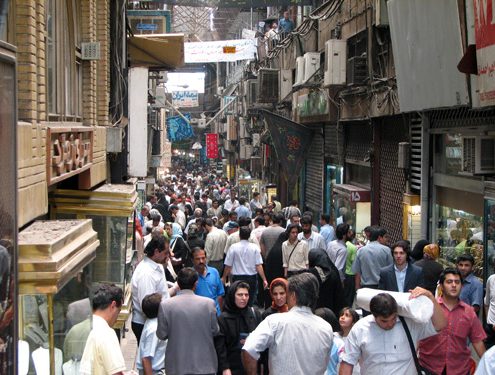
People in Tehran’s Grand Bazaar

People in Tehran’s Grand Bazaar

Iranians’ Dress Code in Public

When you travel as a culture-enthusiast traveler to destinations like Iran, you have certainly prepared yourself to assimilate and even tolerate particular things that are not completely in accordance with your preferences. Dress code is one of them. As a Muslim country, both men and women are supposed to get dressed differently in public places. So, both male and female travelers are to be aware that certain codes of dressing are not acceptable in Iran.

Also one general piece of advice could be not to wear anything with Foreign, particularly English, words on it. It can create quite some misunderstanding if there’s a slogan or statement on it too. Officials don’t like it in Iran. Some Iranians may wear like that, but it doesn’t mean you can do it as a foreign traveler who wants to travel inside Iran safely and enjoy his/her experience.

Dress Code in Iran for Men

Men are not supposed to wear shorts, tank tops, etc showing complete arms or legs. Short sleeves are not problematic, but once you go through extremely hot sunshine in some parts of Iran during particular times of the year, you may prefer to cover your arms with long sleeves. Then, it becomes a matter of protecting your skin.

Dress Code in Iran for Women

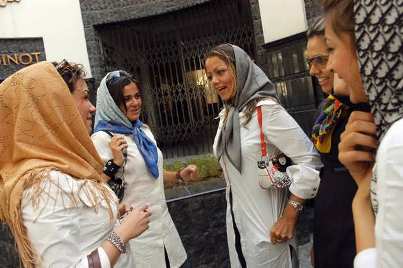
Women are supposed to cover all their bodies from head to toe except for the face and hands. The clothing they choose must not be tight or see-through. As long as they are loose and cover up body curves, they are acceptable. There’s no restriction in the choice of colors. Working class women wear manteau (long coats), trousers and headscarves in dark colors like black, navy blue, dark brown, etc.

As travelers, you could chose to wear this way or light colors such as white, cream, pale pink, khaki, etc that suites the relatively warm climate of Iran in warm seasons. The head scarves come in colorful varieties, floral patterns, etc.

One more point: It’s not appropriate to wear clothes having images of international pop singers, movie stars, etc that are not seen in Iranian media. Certain texts like political slogans, derogatory words, etc are not recommended at all either.

In short, why not wearing like Iranians wear? This gives you the experience you want to go through to feel like a soul who is living in Iran. It gives you the impression of living conditions of Iranians. Isn’t it one of the goals of culture-oriented travelers?

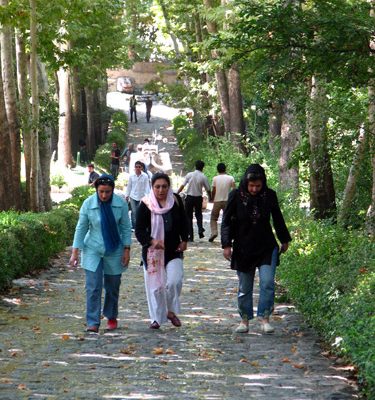
Three Women Walking in a Park in Tehran

Three Women Walking in a Park in Tehran

Formal Dress Code in Iran for Eating out

This is not explicitly mentioned anywhere about dressing specially for dinners or formal settings. However, Iranians follow certain courtesy to be dressed more formally for having dinner particularly in fancy restaurants, hotel restaurants and alike.

The definition of wearing formally could be varied from country to country. If you ask me whether Iranian men wear suit and tie in such occasions, I must say that this isn’t an unknown style in such places. Is every man dressed like that for dinner? Not necessarily! If you ask me whether Iranian women wear expensive clothing for having dinner in such restaurants, I would say Iranian women love to do so and I’ve seen this all my life.

So, you may want to have an extra set of clothes for certain formal restaurant settings too although wearing neatly and properly doesn’t always mean to think of bringing very a la mode clothes. It’s a matter of personal preference. I’ve tried to introduce you to the Iranians’ dress code in Iran.