Iran Must See Wonders!

Iran, known as Persia until 1935, is a partly undiscovered gem. It offers rich culture, history and provides visitors with impressive heritage. Iran ranks seventh among countries in the world as regards the number of World Heritage Sites recognized by UNESCO. Historical and urban settlements date back to 4000 BC in this area. Locals are called Persians and represent about 51% of the population. Tourism-review.com, in collaboration with prominent Iranian tour operator kalouttour, introduce the best, most famous, historical and prominent places of the “Land of the Aryan’s” – the 7 wonders of Iran.

Persepolis

Once the thriving cultural and art center of Iran, today Persepolis is considered one of the most beautiful historical locations in the world. The ancient city, situated 60 km northeast of the city Shiraz, had long been buried under the sand for centuries until its discovery in the 1930s by Erich Frederich Schmidt and his colleagues.
It was founded by Darius I in 518 B.C. and served as the capital of the Archaemenid Empire. The ruins of Persepolis, which burnt down at the order of Alexander the Great, are considered one of the world’s greatest archaeological sites and is also registered as a UNESCO Heritage Site.

Shah Mosque

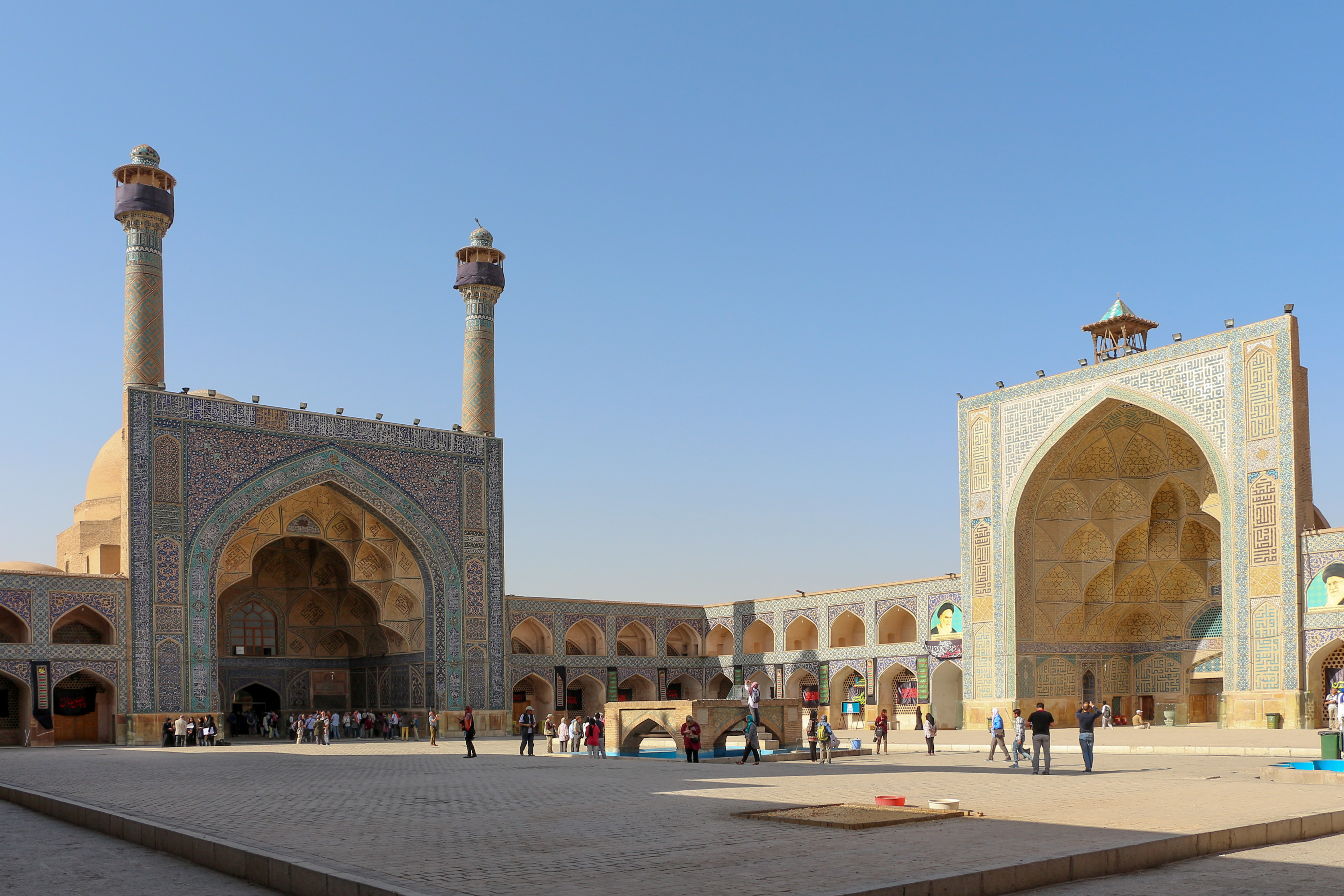
Created during the Safavid era, the Shah Mosque, also known as Imam Mosque, is situated in the south side of the Naghsh-e Jahan Square. The square is in the center of the city Isfahan. Its construction began in 1611 and the mosque represents the culmination of a thousand years of mosque building.
It is a remarkable example of the diversity of Iranian architecture, with its seven-color mosaic tiles and calligraphic inscriptions being the highlights. The port of the mosque measures 27 m high and is crowned with two 42 m tall minarets. It is also surrounded by four iwans and arcades. The Shah Mosque, one of the seven wonders of Iran, is also registered as a UNESCO Heritage site.

Haft Tepe

Haft Tepe is located 15 km to the south of the ancient city of Susa. It is one of Iran’s most significant archaeological sites and the remains of the ancient Elamite city of Kabnak were discovered here. It is composed of seven ancient mounds. The site was first excavated by French archaeologist Jacques de Morgan, with Iranian Ezzat Negahban continuing work in the second half of the 20th century.
Excavations on the site revealed a large temple founded by Tepti-Ahar where the god Kirwashir was worshiped. Below the temple lay a funerary complex for the king and his family, with skeletal remains found in the tomb. Other than that, structures reminding of the foundations of a ziggurat were found here, along with courtyards and suites of rooms.

Naqsh-e Jahan Square

Naqsh-e Jahan Square is a square located in the center of the city of Asfahan. It was constructed between 1598 and 1629 and is now a very important historical site and one of Iran’s many UNESCO World Heritage Sites. It is 160 meters wide and 560 meters long. The square is bordered by two -story arcades and surrounded by many buildings from the Safavid era, such as the already mentioned Shah Mosque, the Ali Qapu Palace or the Mosque of Sheykh Loftollah. It is one of the largest city squares in the world and another great example of Iranian and Islamic architecture.

Eram Garden

The Eram Garden, another of the seven wonders of Iran, is a historical Persian garden located in Shiraz. The whole complex is located at the northern shore of the Khoshk River in the Fars province. The word “Eram” is the Persian version of the Arabic word “Iram” which means heaven in the Quran.
No one is quite sure when construction of the beautiful complex began, but it is suggested that the gardens were built during the Seljuk Dynasty (11th – 14th centuries) under the rule of Ahmad Sanjar. Later it was repaired by the Zand kings of the Zand Dynasty in the second part of the 18th century. Many more rulers decided to improve the gardens, with the Qajar Dynasty leading constructions to what now stands in the gardens: beautiful flowers, refreshing air, myrtles and enormous cypress trees surrounded by typical Iranian architecture.

Nasir ol Molk Mosque

The Nasir ol Molk Mosque, nicknamed the Pink Mosque, is a traditional mosque located in Shiraz. It was built between 1876 and 1888 during the Qajar era. What makes it unique and beautiful is the extensive use of stained glass in its facade, with many pink tiles as well.
It also displays other traditional elements, such as Panj Kase (“five concaved”) design. The best time to visit the mosque is in the morning, when the sun rises over Shiraz. During this time, the sunlight bursts through the windows and illuminates the walls and floors of the mosque with beautiful colors.

Vank Cathedral

The Vank Cathedral, also known as the Church of Saintly Sister, is a cathedral located in the New Julfa district, specific for its predominant Christian community, in the city of Isfahan. Construction began in 1606 during the Safavid period, but in 1655 the Armenian church was rebuilt to adapt to the growing Christian community in the city. A tilework plaque inscribed in Armenian can be seen by the entrance to the cathedral.
The cathedral’s interior is a prime example of the mixture of Islamic and Christian style. The interior is covered with frescos and gilded carvings as well as wainscot of rich tile work. The courtyard contains a large belfry towering over the graves of both Orthodox and Protestant Christians. In one corner, there is also a memorial to the Armenian Genocide in Turkey.
Nain Attraction Spots

Nain lies 170 km north of Yazd, and 140 km east of Isfahan. With an area of almost 35,000 km², Nain lies at an altitude of 1545 m above sea level. Like much of the Iranian plateau, it has a desert climate, with a maximum temperature of 41 °C in summer, and a minimum of -9 °C in winter.

More than 3,000 years ago, Persians learned how to construct aqueducts underground to bring water from the mountains to the plains. In the 1960s, this ancient system provided more than 70 percent of the water used in Iran. Nain is one of the best places in the whole world to see these qanats functioning.

Unique to Nain are some of the most outstanding monuments of Iran: the Jame Mosque, one of the first four mosques built in Iran after the Arab invasion; the Pre-Islamic Narej Fortress; a Pirnia traditional house; the Old Bazaar; Rigareh, a qanat-based watermill; and a Zurkhaneh (a place for traditional sport).

Besides its magnificent monuments, Nain is also famous for high-quality carpets and wool textile and home- made pastry called “copachoo.” Some linguists believe the word “Nain” may have been derived from the name of one of the descendants of the prophet Noah, who was called “Naen”. Many local people speak an ancient Sasani Pahlavi dialect, the same dialect spoken by the Zoroastrians in Yazd today. Other linguists state that the word Nain is derived from the word “Nei” (“straw” in English) which is a marsh plant.

Nain Congregational Mosque

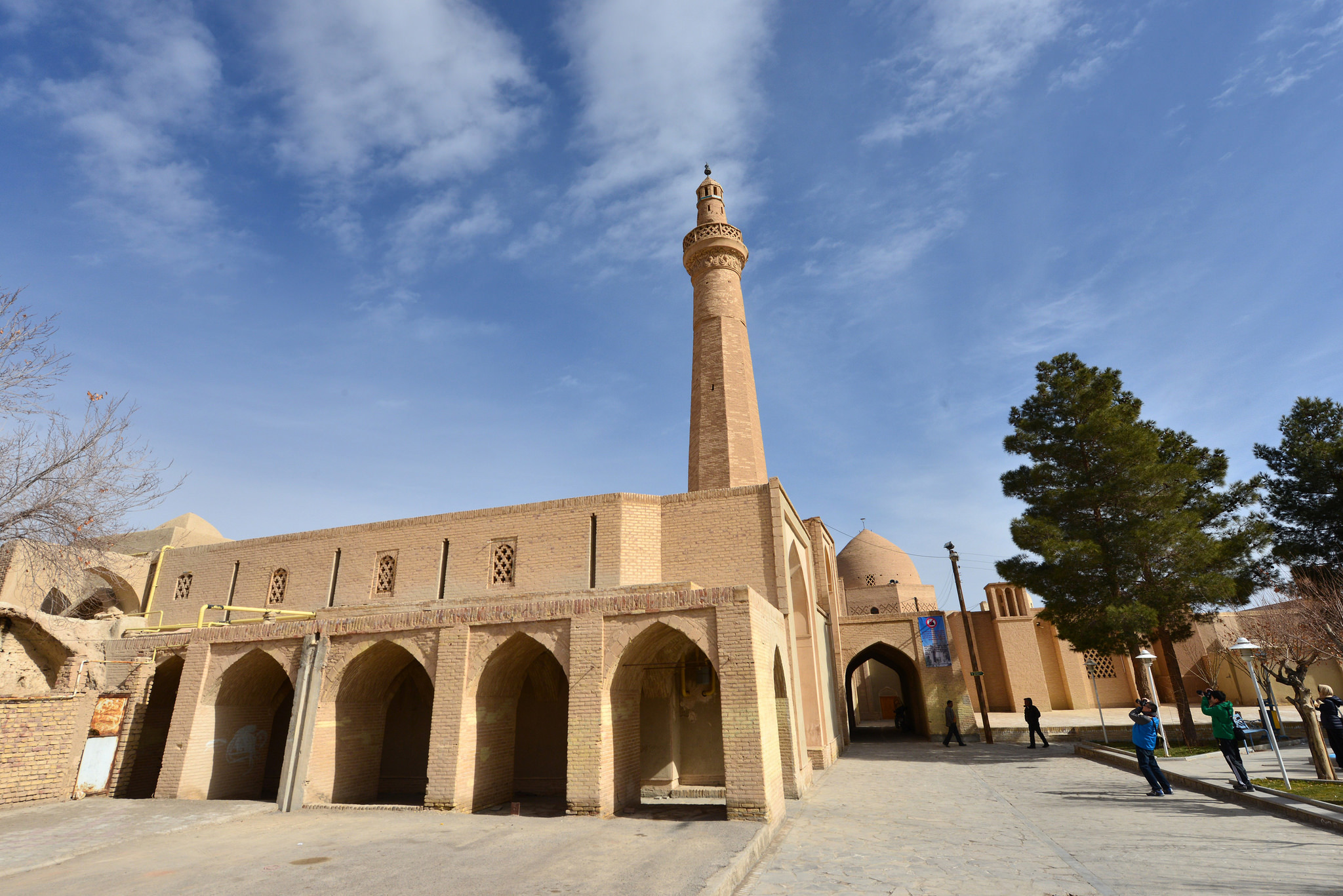
Nain’s congregational mosque is one of the oldest mosques in Iran. But it still has its original architecture and is in use and protected by Iran’s Cultural Heritage Organization. According to the French professor, Arthur Pops, the mosque’s foundation dates back to the 9th century. It has a very simple plan, but very beautiful. The mosque contains a central rectangular courtyard that is surrounded by hypostyles on three sides. At one of these hypostyles, the mihrab of the mosque is located. It is a niche on the wall that shows the direction of “Qebleh” in Mecca, the holy city that Moslems pray toward five times a day. This mihrab has an amazing stucco work decoration, probably created during the 9th or the 10th century. Beside it, there is a wooden altar with delicate wooden inlay work. The Mosque also has a 28-meter-high minaret belonging to the Seljuk Era, the 10th century.

Pirnia Traditional House

Pirnia traditional house and ethnology museum is situated opposite the congregational mosque. A typical example of this region’s desert houses, in terms of architecture and art, belonging to the Safavid Period. The house consists of an exterior, an interior, a deep garden, a silo room and all the facilities of a lord’s house. When you enter the house and pass the first corridor, you reach an octagonal room called “hashti”, a waiting room for visitors. Beautiful paintings, amazing plasterwork of Qur’an stories, a book of famous poems and calligraphy frames decorate the living room. First, the judge of Nain lived there. Then, during the Qajar Period, the governor of Nain lived in this house. Just a few decades ago, the house was purchased by the Ministry of Culture and Art. After renovation in 1994, the house was converted into the desert ethnology museum.

Nain’s Mosallah edifice

Nain’s Mosallah edifice is another must-see. Its vast garden was a popular recreational area until recently. The mausoleum inside the Mosallah was a pilgrimage site for visitors. There is a water reservoir (ab-anbar) on one side of the garden, which can be accessed through a stairway. Water in this reservoir got cooled by two wind towers. It was in use until a few years ago. The architectural style of Mosallah has the characteristics of Qajar dynasty, and a number of literary, political and religious figures are buried at this site. “Mosallah” is an Arabic word for a place of prayer, but no one knows if any praying was ever done at this location. Mosallah is an octagonal mausoleum of dervishes and Qajar and Pahlavi political figures. It’s encompassed by a military fort from Qajar era, with a high wall. The pistachio trees around the turquoise-domed mausoleum and two tall wind towers make the complex really photogenic.

Narin Ghale

Narin Ghal’e is one of the most important monuments of the province dating back to the period before the advent of Islam in Iran, and has been recorded as one of the national buildings. This ancient castle has been constructed on top of Galeen hill and overlooks the city. It seems that upper floors of the building have been reconstructed and belong to the Islamic era. One part of the building was destroyed in the course of road construction during the reign of Pahlavi II.

is one of the most important monuments of the province dating back to the period before the advent of Islam in Iran, and has been recorded as one of the national buildings. This ancient castle has been constructed on top of Galeen hill and overlooks the city. It seems that upper floors of the building have been reconstructed and belong to the Islamic era. One part of the building was destroyed in the course of road construction during the reign of Pahlavi II.

Nain’s bazaar

Nain’s bazaar is a remarkable historical attraction. It extends 340 m from the Gate of Chehel Dokhtaran to Khajeh Khezr mosque, and is connected by main alleys, and tributary passages, to various neighbourhood centers. The bazaar has two main crossroads (chahar su). Parts of it have been renovated, and its many varied stalls were active until a few years ago. However, at present, the bazaar is almost deserted, since the retailers have moved to the city’s street shops. Some important monuments, such as the Sheikh Maghrebi mosque, Khajeh mosque, and Chehel Dokhtaran’s Hosseinieh are nearby.

Fatemi House

Fatemi House is the largest traditional house in Nain. It’s opposite Narin Castle, beside the old bazaar. The house belonged to a very influential family in Nain. It consists of a large number of sections, each with a different function: summer and winter living rooms, resting rooms, stable, silos, corridors, dining rooms for guests, and other facilities. Most of the rooms are furnished with stained glass windows, inlaid wooden doors, and plasterwork. The house belongs to the Cultural Heritage Organization.

Kharanaq is another town in Yazd district. The word Kharanaq means “the Sun’s place of birth”.

Geography of Kharanaq

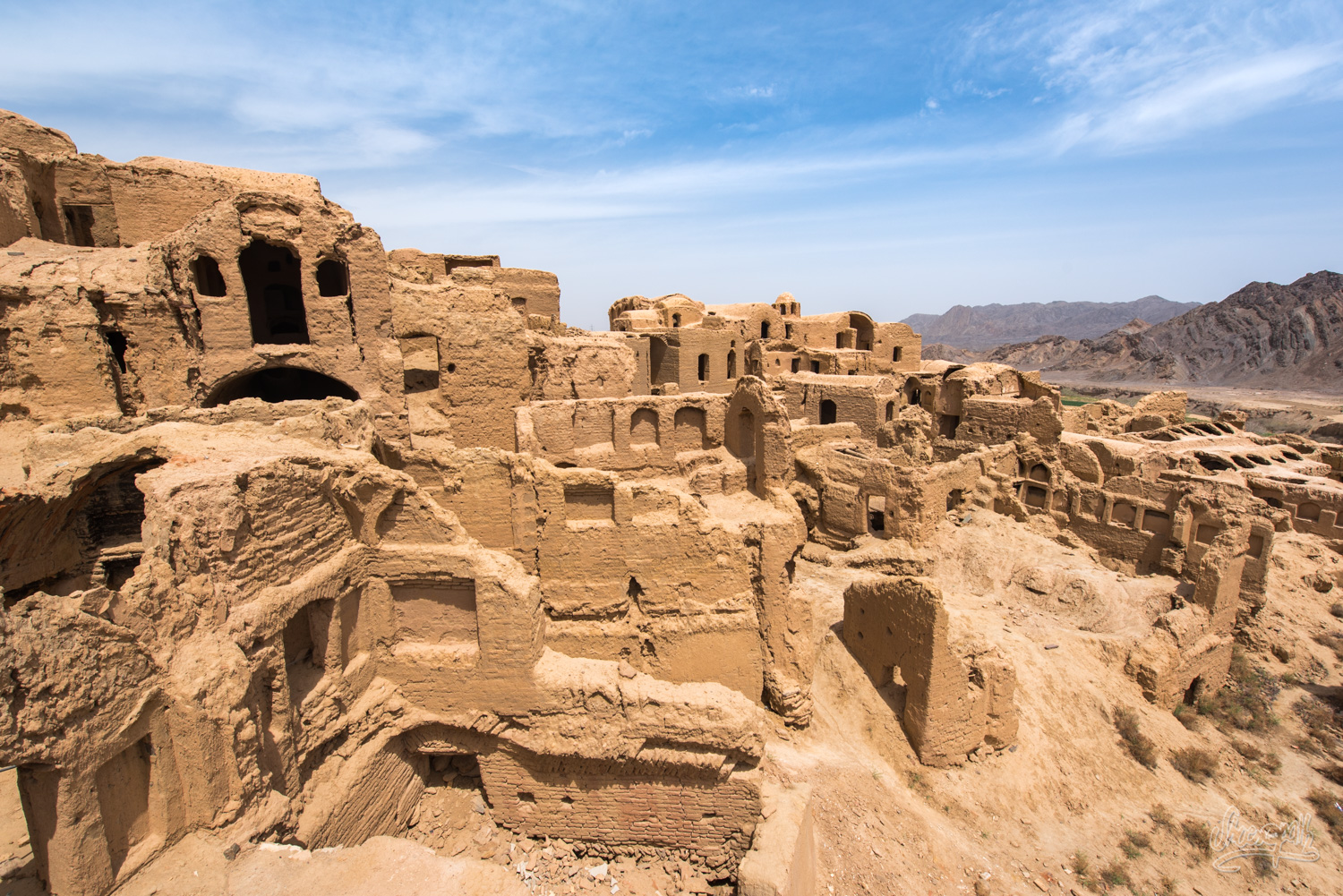
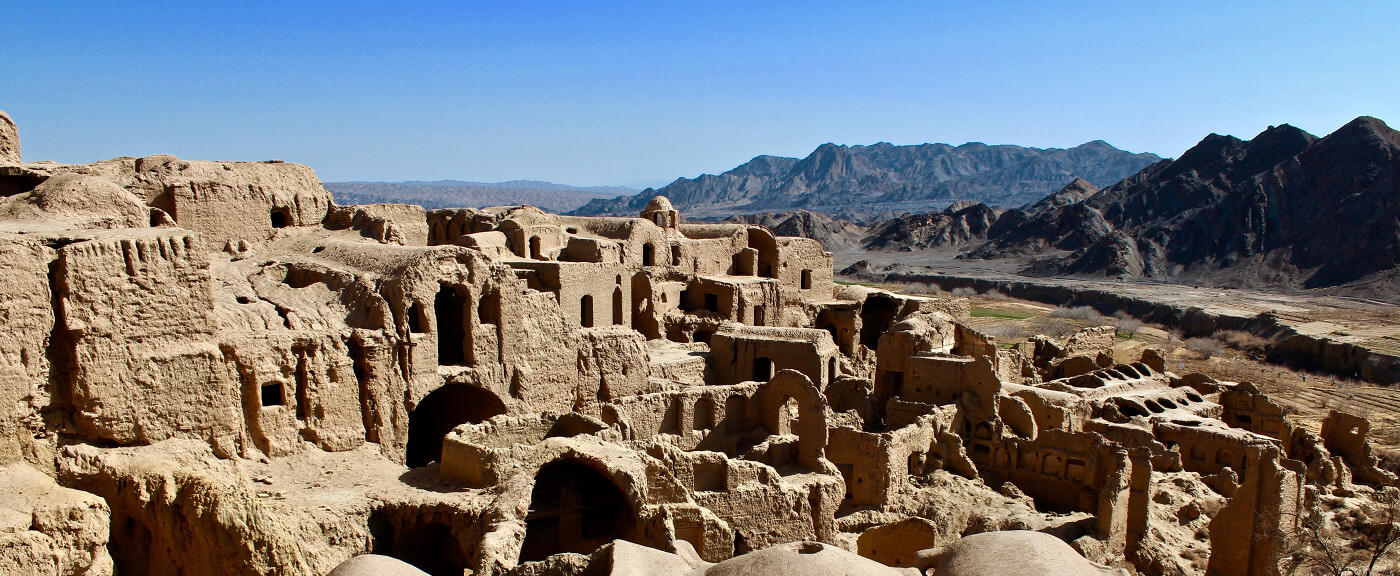
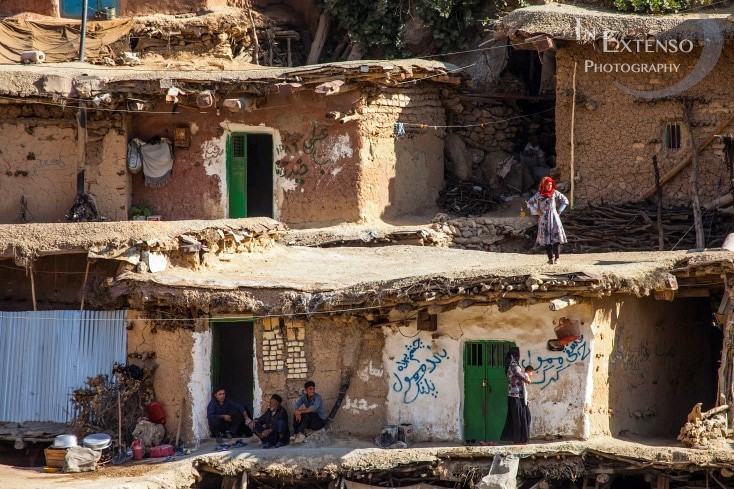
This deserted and crumbling mud-brick village is situated in a remote valley about 70km north of Yazd in central Iran. The site has been occupied for approximately 4,000 years, while the dilapidated adobe buildings that draw foreigners from around the world dating back to 1,000 years ago. This crumbling mud brick city has been occupied by humans for over 4,000 years. There’s a new town situated 2km from the old one where the remaining residents of Karanaq live. Mostly 400 people save for a few elderly people who refuse to leave, but it is the old town that attracts the attention of visitors and photographers. It is a fascinating place to walk through with its winding and decaying alleys, tunnels and spaces, placed in a picturesque valley.

Kharanaq Texture

Kharanaq is divided into two parts – the old town and the new town. The old town is almost completely deserted, and the new town is where about 130 families continue to live. The old town was constructed with sun-baked mud bricks, forming one of the largest collections of adobe buildings in Iran. The abandoned town is a photographer’s dream with a labyrinth of streets, tunnels, passageways, and rooms, as well as more impressive buildings such as a tiny mosque, a shaking minaret, and an old caravanserai that welcomed merchants and pilgrims centuries ago. It was once a prosperous farming village, but when water supplies dried up the inhabitants left, leaving the town to turn to ruins. In recent years, a new town was constructed within 2km of the ancient town with government-supplied water and electricity. There have existed cities whose population declined. There are the obvious reasons like war and famine, but what else can cause a once vibrant place to decline in population to such an extent that it becomes practically uninhabited? This is a question that rises while exploring the ruins of the abandoned ghost town of Kharanaq.

Less populated & Less known

The reason that Kharanaq was abandoned may have been drought. Once possessing drinking water and fertile farmland, the city lost the entire lifeblood, and people gradually moved to seek opportunities either in Yazd or the mines nearby. Most people started to leave Kharanaq in the 1940s. Until the 1970s there were still some residents who believed the city was worth saving but even those determined stragglers eventually gave up on Kharanaq. Most of the remaining residents are those who are too old and poor to move about. One of the most eye-catching monuments in the city, and one of the few restored buildings is the 15- metre- tall Shaking Minaret of Kharanaq, dating back to the 17th century, frequently vibrating. Nobody knows why. Visitors to Kharanaq quickly learn that the words “watch your step” are very important, as the city is literally crumbling away and many of the surfaces are less than stable. I’m sure that once Iran becomes the popular tourist destination it deserves to be, lots of tourists will go to Kharanaq to see the ancient ghost town, there’s nobody around and you’re free to go wherever you want in the city.

Garmeh

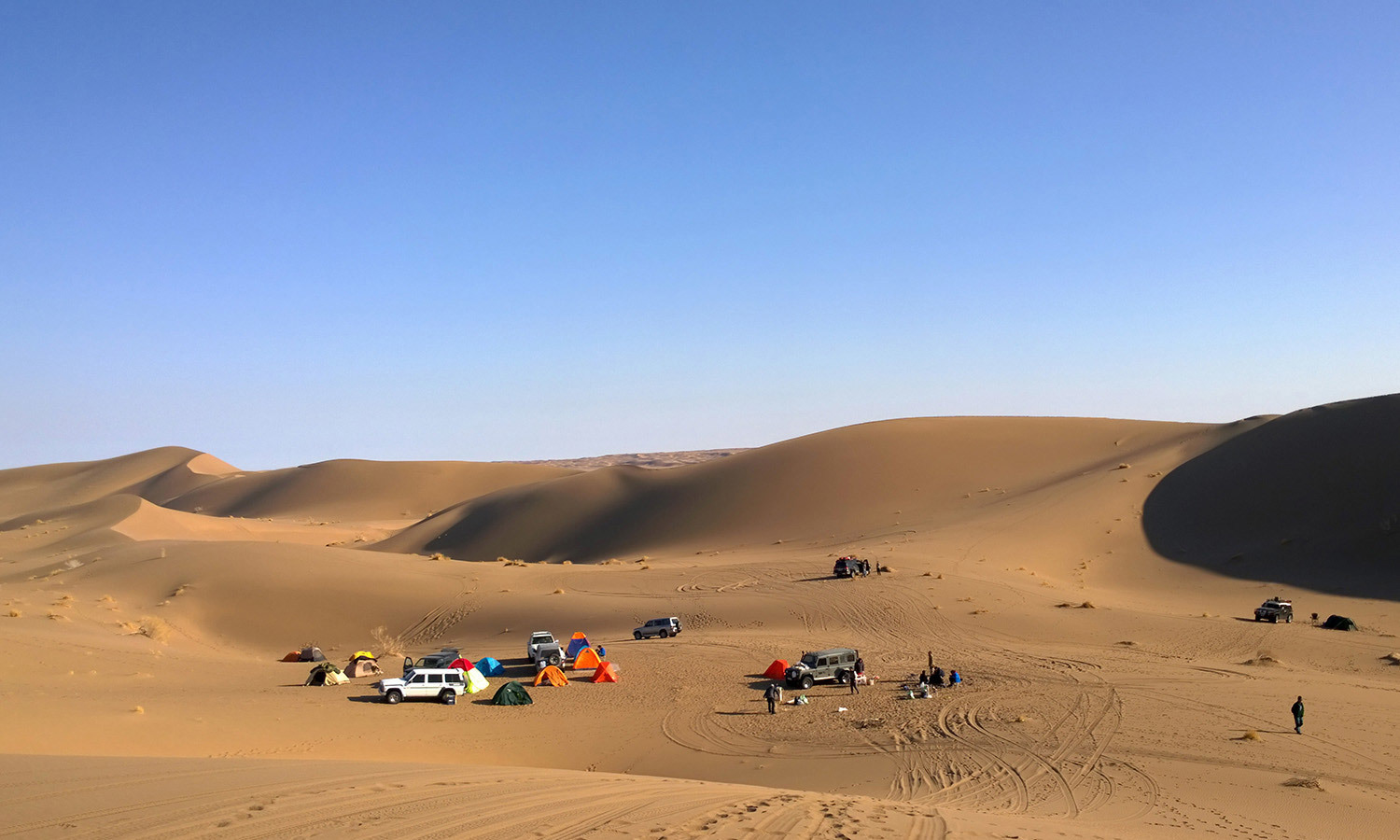
Mesr desert is one of the most beautiful and also one of the hottest deserts in Iran.

Dreamland in desert

If you have the dream of going to a real oasis in the desert, you shouldn’t miss Garmeh, a palm tree clad village with an abundance of water and crops, in the middle of sand plains. A place where you can sit by a well in the shadow of a tree in comlete silence and watch the occasional heard of sheep pass by. That’s exactly what Garmeh is like. Somewhere in Iran’s central desert, Dashte- kavir, lies t

Mesr desert is one of the most beautiful and also one of the hottest deserts in Iran.

his tiny village irrigated by a small mountain spring. Garmeh has been welcoming travelers from all over the world for hundreds of years as it used to be one of the rest spots on the famous silk road.

Hidden Oasis

Garmeh is the capital of Garmeh County in  North Khorasan province. One of the most important monuments of this city is Jalaleddin fortress, which is inherited from Khwarazmian Dynasty. The fortress was established by the command of Jalaleddin Kharazmshah in order to defend it against the Moguls’ attack in the seventh Hijri century. It was built on the top of a hill with a hexagonal foundation. A well exists inside the fortress which seems to be natural. The other monument of this city is Bagh-e-Mazar tomb.

What to do in Garmeh?

During your stay in Garmeh, depending on your time, you can go for a walk among palm trees, relax in a spring or climb the nearest mountain or hill to enjoy the surrounding sceneries.You can also visit other villages nearby like Ordib, Iraj and Dadkin with gardens and mountains, Bayazeh and its castle, Abgarm and its thermal spring.80kms from Garmeh, on the way to Tabas, there’s a salt lake, and 80km from Garmeh to Jandaq you will find Mesr and Farahzad villages and the sand dunes surrounding you.

Mesr desert is one of the most beautiful and also one of the hottest deserts in Iran.

History of Garmeh

The documented history of human settlement in the area dates back to 4000 years ago, but there exists some relatively reliable evidence that suggests human habitation as far back as 7000 years. From about 2000 years ago, the oasis was placed on the Silk Road and therefore, on the main trading route between China and Europe. As a result, many travelers have passed through this area. A famous Persian poet, philosopher and explorer, Naser Khosrow passed through the area about 950 years ago and has mentioned this area in his travel diary. As for well-known European travelers of the recent centuries, we can mention Seven Hedin and Alfonse Gabriel, who visited Garmeh in the last century.

The town’s only water source, close to the heart of the village, is the only source of life for the gardens and Date Palm orchards that make this oasis such a special place. The main activity for the natives during this incredibly long period had been some form of agriculture and animal husbandry in unforgiving conditions that are the reality of this land.

Garmeh

Don’t miss photography!

This picturesque village also has many attractions which makes it a popular spot for so many tourists from all over the world. There are beautiful palm trees in the southern flank of the village. The weather is great in spring, fall and winter. There is an old four-floor citadel in Garmeh which dates back to the Sassanid period and has been attracting so many archeologists.

The eye-catching alleys of Garmeh which are decorated with beautiful Sabbats attract so many filmmakers to Garmeh. Garmeh lakes are the habitat for ducks in spring and winter and the hills are home to partridges.

There is a natural spring which has been flowing for thousands of years and creates a good ecosystem for different types of small fish. There are elephant-like mountains around with red soil containing iron. Its pleasant silence and the starry nights, along with the sound of water and the movement of palm trees, attract lots of tourists from all over the world to this area.

Handicrafts of Garmeh are mostly created out of palm leaves which is a good souvenir for international tourists. The residents of Garmeh speak Pahlavi language which is the oldest language in Iran. The Mesr Desert, near Garmeh, attracts lots of tourists every year. There is also a thermal spring near Garmeh which has many therapeutic benefits and is useful in treating Arthritis.

Chak Chak  the Zoroastrian Fire Temple

Not far from Yazd is the Zoroastrian sanctuary of Chak-Chak. Although Zoroastrianism arose in eastern Iran, now followers number only about. 10,000 people and Muslims call them infidels. Most of the temples were destroyed, but those that remained, are of great interest to tourists.

Short History Zoroastrianism 

Zoroastrianism, or Mazdeism, a religion founded in the 8th or 7th c. BC. reformer of an ancient Iranian religion called Zarathustra. The religion of Zoroastrianism continues to exist until today. In Iran, its followers total only approx. 10,000 people and Muslims call them gabaras (“infidels”). Today, the community of Zoroastrians (zartoshti) is mainly parses of India and the United States. Small communities are scattered all over the world – Iran, Azerbaijan, Tajikistan, Canada, Turkey, Afghanistan.

Chak Chak Location

Although on the maps Chak-Chak is marked as a village, nobody really lives there, except the guard and rare pilgrims on ordinary days. Only during religious holidays, many Zoroastrians from all over the world come here. Located Chak-Chak in 43 kilometers from Ardakan – a small historical town, located on the road Yazd-Tehran. Getting to the sanctuary is not very simple – the flow of cars there is extremely small, most often there are taxis carrying local and foreign tourists. Near Ardakan, you can also see the Zoroastrian towers of silence.

Zoroastrian Temple

To the temple of Pir-e Sabz, cut down in the thickness of the mountain, there are 320 steps. In Pir-e Sabz, the fire burns and the holy spring beats. According to legend, the appearance of a spring in this place is connected with the escape from the Arab invasion of the Sassanid princess Nikban. Thirsting in the desert, Nikbana followed the order of Ahura Mazda and threw her staff to the ground. Where she did this, she scored a stream. By the way, the name of the Chak-Chak complex came from the sound of drops falling to the floor.

In Zoroastrian temples, called Persian “atashkade” (lit. house of fire), an unquenchable fire burns, the ministers of the church watch around the clock, so it does not go out. There are temples in which fire burns for many centuries. The family of the mobs, to whom the sacred fire belongs, fully carries all the costs of maintaining the fire and its protection and does not materially depend on the help of the bekhdins. The decision to establish a new fire is taken only if the necessary funds are available.

OLYMPUS DIGITAL CAMERA

The Moors are guardians of sacred lights and are obliged to protect them in all accessible ways, including with weapons in their hands. This probably explains the fact that after the Islamic conquest Zoroastrianism quickly declined. Many of the mobs were killed defending the lights.

Zoroastrians attach great importance to rituals and ceremonies. The main feature of the Zoroastrian rituals is the struggle against any impurity, material and spiritual. The sacred fire plays an extremely important role in Zoroastrianism, for this reason the Zoroastrians were often called “fire worshipers”, although the Zoroastrians themselves consider this name insulting. They claim that fire is only the image of God on earth.

The Zoroastrian holiday Navruz is still a national holiday in Kazakhstan (Nauryz), Azerbaijan (Novruz), Tajikistan, Uzbekistan, Turkmenistan and the Russian Federation.

Nomad Tradition

Part  1:  Sar Agha seyyed Village

Between the nomad’s tradition (migration by season)(summer and winter quarters) and settlement.

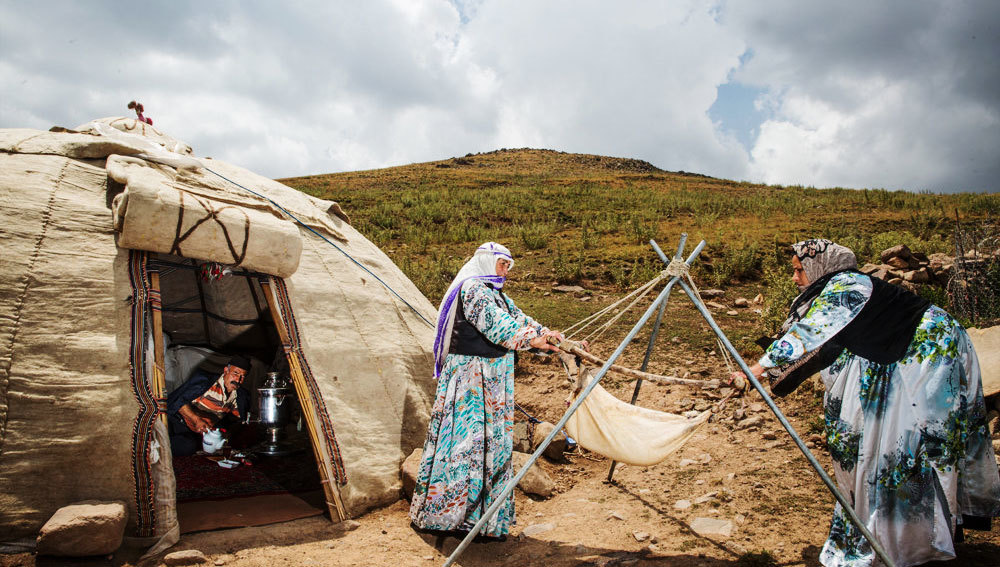
In the seclusion of Zagros, which known as a famous mountain range of Iran, the habitation of the settled Bakhtiyarian rises, that still undiscovered by the world.

Like honeycombs, one house get related to each other as they offer one of the country’s greatest sights. Living in this village called “Sar Agha Seyed” is a very traditional way of giving up nomadism. To reach there, we have to pass along a meander bumpy gravel road that leads us through the massive mountainous landscape of the Zagros straight into the heartland of the Bakhtiyarian, one of the country’s traditional way of living of nomadic populations.

Cattle herds already passing by and the pitched camps are seen and testify a different life of a traditional tribe; Bakhtiyaries, which seems to have been conserved here over the centuries.

Against the vertiginous view into the frightening abyss and the never-ending curves only focusing on the magnificent mountain landscape with the over 4,000-meter-high Zard Kooh as the coronation of the Zagros would be attractive. And now, a small settlement of Bakhtiyarian still tries to outstare the unique beauty of the landscape and show its influence on the nature.

Qashqai Nomad

After hours of driving, the destination is waiting for us as the most beautiful villages in the world.

Everyone can confess that the world does not seem to have become attentive to this secluded manifestation of Bakhtiyarian culture and architecture.

Thanks to this picturesque village, which little houses seem to spring from the mountainside, the Bakhtiyary tribe that decided to settle down with the foundation stone of this settlement has been very prosperous.

The local people proudly and enthusiastically tell the story of how this decision came about. The nomadic life of the Bakhtiyarian meant that every spring they pulled their herds to the high-altitude summer pastures, before returning to the lower winter camps in the fall. One summer, in the midst of the lush pastures of Zagros, the head of the tribe died. In the place where this old and holy man has rested in peace, the members of the tribe began to build a sanctuary and consequently more and more houses.

nomad

nomad

They didn’t tend to leave the resting place of the holy man they worshiped so much, and from now on, this settlement has become their year-round homeland, and all the people living here today are deeply connected to the deceased saint, who is supposed to be their common ancestor. History pervades and is omnipresent in the village and the sanctuary is cherished and maintained by the whole community. Each year, every family resides with each other to go there to worship also to protect the key to the holy of holies.

nomad

nomad

Breakneck Migration

The Bakhtiyarian belong to the Lor tribes and their Bakhtiyari dialect is of the Lori language.

Also we can witness a province of the country Iran, still bears the name of this nomadic population group. Chahar Mahal and Bakhtiari is the heartland of the Bakhtiyarian. Around 50,000 nomads of this tribe still live like their traditional nomadic life of their ancestors but the tendency is dropping. But the obvious point which we can see on the way to the village is that we will meet those Bakhtiyaries who continue to maintain their nomadic culture.

The great crossing of the Zagros passes is considered one of the most spectacular migrations in the world which is done twice a year by the traditional and nomadic Bakhtiyarian. When the pastures in the Zagros Mountains are covered in snow, the cattle herds have long been in the more southerly plains of Khuzestan between Lali and Izeh. The fact that the pastures of the winter camps, is being used more and more for agriculture, causes increasing some conflicts between the last nomadic and the peasant populations. The traditional nomads, marched on the Zagros, which lasts three weeks, are already largely a point of the past. The great dangers of such a migration for humans and animals happen for most Bakhtiyarian. After all, there is now also the opportunity to manage the route with an eight-hour drive. Nevertheless, a few families dare to march each year with packed donkeys and little sheep in their arms. Even the youngest ones will join in the hike. Wrapped in cloth, so babies on the back of their mothers are worn the long way.

Flock of sheep in the Zagros Iran

Conflicts and everyday life

Every morning, when the locals gather on the rooftops of the houses and nestled in each other, the little village comes to life again to do the first works of the day. Then the consistent strong women carry heavy loads across the whole village and the elders sit together and talk about upcoming village decisions.

The mayor, himself who has not be an old gentleman and not more than his mid-40s either. This fact that in his younger years he was honored to make decisions for the whole village, he has done it with his elementary education. It was a main condition that all the village community had agreed that the mayor should at least have a basic school leaving certificate in view of his committee. The slightly too modern-looking man, who now officially has the last word, is in the duty to solve this trekking conflicts within the village community. A newly built house in the middle of the dense settlement is somewhere once cause for displeasure. A whole order of structure gets mixed up, when there is a new house and roof there, where the snow covered everywhere.

Child in the zagros

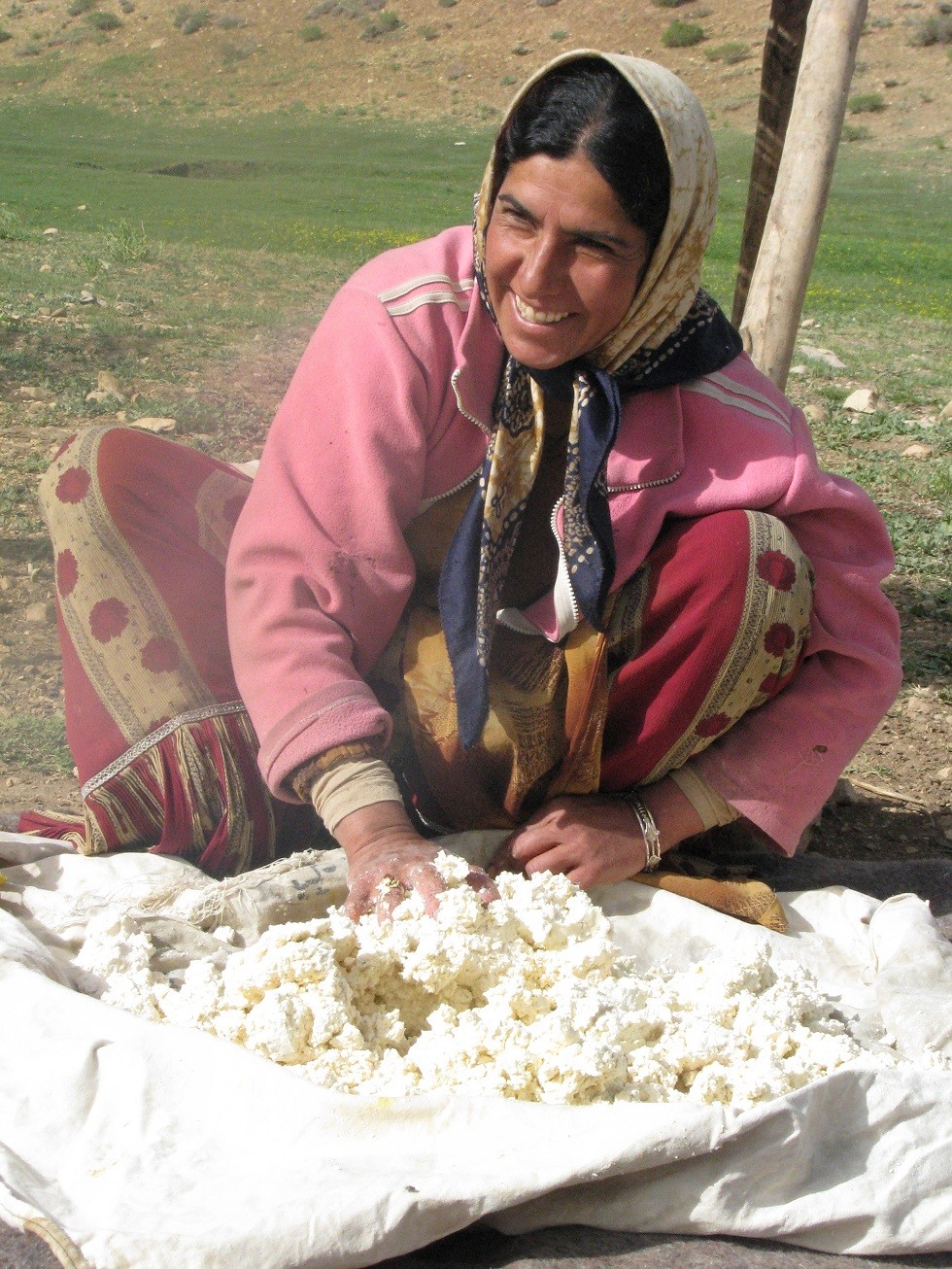
With the harsh winters in the Zagros, the burden of snow is a hard work and the all the people trying for the elimination of the danger but easy given the densely interlaced houses. While the families quarrel at one end of the village, bread is made in other houses in a dark bakery. There is a lot of work behind the idyll of the village facade. Yoghurt is made, wild animals are hunted and houses are maintained.

Outlook – A question of the generation

As so often elsewhere, Iran has a large gap between the nomadic / semi-nomadic and urban populations. The position of nomadic people in the Iranian society is something we can talk about, but the satisfactory for the Bakhtiyarian is a question. Especially the people from the big cities like Isfahan face the Bakhtiyarian with a certain dismiss. Their simplicity and their low level of education are important, they say. It is undisputed that two completely different worlds of life clash and the world-wide common urban-rural contradiction is intensified when they believe as a nomadic tradition in the background. And indeed, these different kinds of living worlds meet more and more often, because many of the younger Bakhtiyarian break with the nomadic or even traditional life and move to the city. After all, this younger generation not only faces the nosy city population, but also has a strong headwind from its own family. A certain generation conflict is not avoidable when the older family members insist on nomadic way of life or at least small-town life and the younger tend to live in the city.

The new opportunities now which young people face, make the conflict more exacerbated. Since the 1960s, nomadic children have also been taught by teachers, some teachers drive long distances to teach reading, writing and arithmetic to children. Due to the elementary education they receive, many of them dream to continue studying or even study in urban schools in cities. Whether it will already be possible for the dreaming children, who still guard goats today or jump from roof to roof in the village, to remain on this path, make the children uncertain. And especially the girls are not allowed to make this decision alone, at most they have the luck to marry a man who wants to follow the same path as they do, given the strictly patriarchal structured society. All these questions and developments take place behind the idyll of the village and the mountain landscape. This fact that at least the building inside of the village remains as it is, and does not keep up with the times, is already provided by Iranian authorities. The Iranian preference for lovely mountain villages and the appreciation of the cultural assets of the country, it is probably due to the fact that the Bakhtiyarians traditional image of the village (more) may change. Therefore, more modern and larger houses are built only outside the village center. Thus, for the next few years, the uniquely beautiful view of the village is seen.

8 reasons for Rafting in Iran
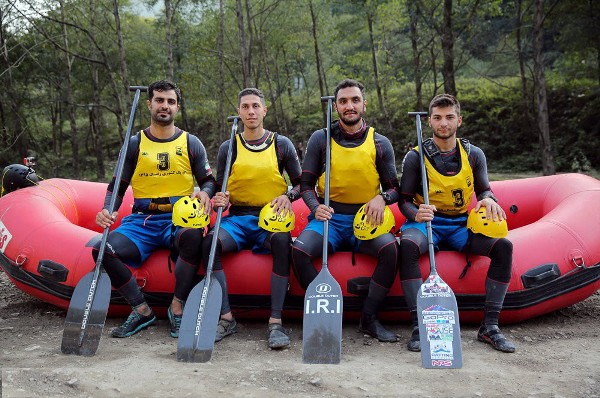
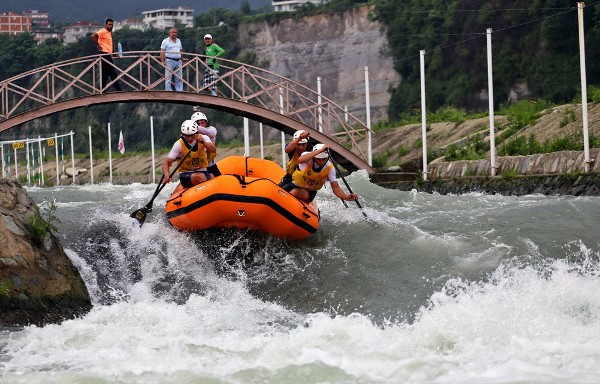
Rafting is one of the new sports in Iran that has found many enthusiasts in recent years and the regular boat ride program is provided by the tourist agencies.
Although Iran is a country that is located in a desert and dry area,but the special geographic location and the high mountain range of Iran have led to the creation of rivers in various parts of Iran.
If you are looking for adventures during your trip to Iran, Rafting in Iran is one of the best options available. In addition to all tourist activities, Rafting in Iran gives you the opportunity to have a real thrill. It is one of the popular water sports in Iran.The months of April, May, and June are considered the best times to take part in Rafting in Iran. There are many rivers that are ideal for rafting in Iran.

8 reasons for Rafting in Iran

There are several reasons why the program of Rafting in Iran turns into one of the attractions of traveling to Iran

Iran is cheap
According to the latest World Economic Organization, Iran ranked first in the world’s cheapest among 144 countries.
According to this report, Iran ranked 66.6, has the most suitable competitive position with other countries.So Iran is one of the cheapest destinations for tourists.

Is it  safe to visit  Iran?

All headlines on news and media are very different from what travelers face and experience in Iran. The US government and most Western countries have a long travel warning for Iran. Although I do not advise you to ignore this warning, I advise you to balance it with direct accounts of Americans and many other travelers who have recently visited the country. The country is beautiful, the story is rich and people are eager to demonstrate their almost sacred commitment to hospitality.
The best way to get the answer is to ask travelers who have visited Iran, we encourage you to visit and join our face book page, LinkedIn, twitter.

8 reasons for Rafting in Iran

Excitement and history Simultaneous  with each other
Some rivers for rafting are located in the provinces and historic cities of Iran, with many historical and ancient features such as Zayanderoud river in Isfahan province or Cesar river in Kurdistan province.
In these areas, you will not only enjoy water sports but also visit the historical monuments of these cities like historical mosques,Palaces, Castles, Caravansaries and other sights with hundreds of years of history.

Pristine landscapes along the riverside
There are several Rafting rivers in Iran, Parts of these rivers flow through woody and mountainous areas which have created unique features for tourists and athletes.
Sections of the northern rivers flow through the 4,000,000-year-old Hirkani forests, also, the western rivers of Iran pass through the Alborz Mountains, that beautiful mountainous scenery is very attractive.Also, the rivers of the Central Plateau of Iran in the province of Chahar Mahal and Bakhtiari not only provide you beautiful nature, but the ancient history is also attached to this part of Iran.

8 reasons for Rafting in Iran

Different rivers with various classification

Although Iran is located in a desert region, the presence of different mountains in the north and west of Iran has created a different face of them.
In these areas, roaring permanent rivers have provided special conditions for those who like these sports.There are different rivers for rafting and riding in Iran, but among them, 14 rivers have rafting conditions.They range from class 1 to 5.

Dispersion of the river in Iran
In some countries, certain areas are specified for rafting.But due to the special geographic features in Iran, various areas throughout Iran are suitable for rafting, White water rafting, Canoeing and etc.
So you can take a boat ride on the whole northern part of Iran or from the East to the West in the Alborz Mountains as well as from north to south-east of Iran along the Zagros Mountains.

8 reasons for Rafting in Iran

Modern facilities
Rowing programs are regularly carried out in the rivers of Iran, which increases the youth’s attention to this sport.Accordingly, the facilities and equipment needed for this are prepared, which is part of the necessity of these programs by the agencies.
These equipment are divided into two categories: Individual and group
Individual travels or Day Trip, are single or families traveler to these areas, and their facilities included: experienced guides, Water Cag, Life Jacket, Helmet, Neoprene Boots & Wetsuit.But the groups or Expedition, and the tourist who come for some days rafting have more as like as:Paddle Raft, Cargo Raft,Slalom,Sprint,Downriver, Kayak,Rescue/Safety Kayak,Race Kayak,Different Tent,First Aid,Canopy,Mobile kitchen,4WD Off-road cars,and more.

Professional Agencies
There are a large number of reputable agencies in the field of nature tours and White Water Rafting that offer the best types of tourist services and amenities required by travelers.

Complex Amir Chahmak in Yazd (Yazd)

(Amir Chahmak)

Meydan-e Mir Chaqmaq mosque is dominated by a wide portal facade and poked two outrageously sharp, more than 50 meters high minarets in the pale blue afternoon sky.

In the middle of the XV century, when Jalaladdin Chahmak, commander of Shahrokh Timurid, became ruler of Yazd. He and his wife Bibi Fatima Khatun built a complex with the purpose of improving the city, which became known as the Amir Chakhmak complex. This is one of the most significant historical complexes in the city of Yazd, located in the heart of the old city. A valuable complex of structures consists of a mosque, teki, Haji Kanbar bazaar, Bibi Fatima reservoir and other buildings. The complex of Amir Chahmak as a monument of the XV century is listed in the list of famous historical monuments of Iran. The area of ​​Amir Chahmak in the Safavid era was known under the same name. In the reign of Shah Abbas, some of these monuments were restored. On the eastern side of the Amir Chakhmak square is the Haji Kanbar bazaar, built by Nizam-addin Haji Kanbar Jahanshahi. After coming to power in the city of Yazd Jahanshah Kara-Kuyunlu, other monuments were built by his order. Subsequently, on the entrance portico of the market was built a sublime beautiful building in the style of other tekha Yazd. The construction works of the Amir Chakhmak mosque ended in 1437. It is considered to be the most beautiful after the Cathedral Mosque of Yazd.

The Amir Chakhmak Mosque with mosaic tiles and curved arches in terms of space, beauty and authority is also known as the “New Cathedral Mosque”. In this complex there are two reservoirs – Bibi Fatima and Haji Kanbar. Reservoir teka Amir Chakhmak currently functions as the “Water Museum”.

Amir Chahmak

Play watch and Nakhl

Towering over two minarets, this three-storey building serves as the grandstand for the Ashura Passion Play, in which the fight and death of Imam Hoseyn are staged. Each year to Ashura, the tenth day and highlight of the Shiite Mourning Month, Muharram, 200 million Shiites commemorate the Battle of Karbala, which ended in 680 AD with the martyrdom of the Prophet’s grandson, Imam Hoseyn, and the split of Islam into Sunnis and Sunnis Shiites finally sealed. Ashura, the tenth day of the month, is called Muharram, the first month in the Islamic calendar. This day is significant for all Muslims around the world and is celebrated on various occasions. On the square is also the heavy “Nakhl” wooden scaffolding. This is hung in the Ashura rites with black cloths and carried around on the shoulders of mourners. It symbolizes the shrine of Imam Hossein. The so-called “Naql” is adorned with black cloths, banners and with the portrait of Imam Hossein in the mourning procession on the 10th Muharram and then worn by well-built Porters through the city.

Amir Chahmak

The Jame Mosque of Yazd

The Jame Mosque (Friday Mosque) is the grand assembly mosque of Yazd City. It was begun between 1324 and 1327 on the site of a former fire temple and a Seljuk mosque. It was funded by Seyed Rokn od-Din, who came from the wealthy Yazd patrician family. It was extended in 1365 and is today one of the outstanding buildings of the 14th century in Iran. The mosque is crowned by a pair of minarets, the highest in Iran (48 m). The facade of the portal is decorated with dazzling tiles, mainly in blue. Within the mosque is a long, arcaded courtyard (cream). Behind a low-lying Ivan (hall) is an altar chamber, a room cooled by a ventilation system. This chamber under the squat tiled dome is decorated with faience mosaics and its high faience mihrab (prayer niche indicating the direction of prayer) from 1365 is one of the most beautiful of its kind.

Especially worth seeing in the vicinity is the mausoleum Rokn od-Din – this has a turquoise dome with blue grid. The grave structure is characterized by the magnificent, reminiscent of floral carpet patterns paintings of the inner dome around which runs a tape. Here is buried Rokn od-Din, who founded the Friday Mosque and created many foundations. The mausoleum is visible from all elevated points in Yazd and is about 700 years old.

When entering the prayer ivan of the Jame Mosque, a Friday mosque, as the word “Jame” already says, it gets really atmospheric. Even the richly decorated with tiles and mosaics entrance portal lets the head fall for many minutes in the neck and shocked by the prayer rugs still in the interior of the octagonal, half-open and richly decorated patterns.

You can end your beautiful day with a tour of the old town, marvel at the beautifully decorated dome of the Rokn-od-Din mausoleum (tomb of the founder of the Friday Mosque of Yazd).

After a short stroll through the relatively manageable bazaar of the desert city, you land unexpectedly in a particularly atmospheric place. In a mausoleum on the boulevard Salman-e Farsi stands the shrine of Prince Fazel. It is worth visiting the place because the green color will give you a calm and relaxing time.


Iran’s Economuseum becomes a major tourist attraction
An ancient building in southeastern Iran has become a museum of traditional professions that attracts a large number of visitors.

A historic school in the city of Kerman, in southeastern Iran, has been restored and renovated and renamed “Economuseum”. It is a place where visitors can familiarize themselves with the different traditional professions of the city.

For starters, the Grand Bazaar of Kerman has numerous attractions. Anyone entering the market can spend hours visiting the historical monuments there, including old small workshops. Old men have still kept alive and probably forgotten professions in the province.

According to a Persian report from the Mehr News , one of the ancient monuments in the main hall of the bazaar was recently restored.

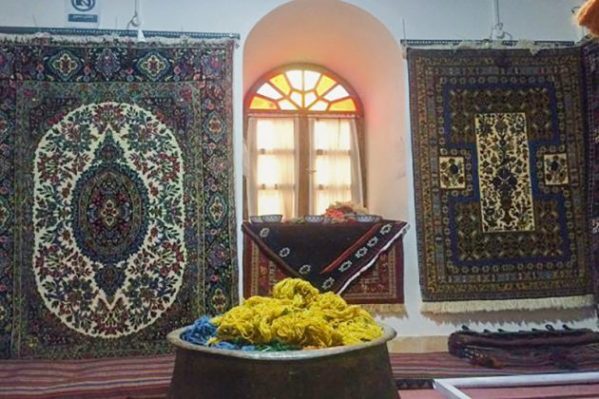
Visitors can now see for themselves the traditional professions of Kerman people there. Each camera is dedicated to a certain art and industry. Ceramics, carpet weaving, carpet weaving and a room with symbolic decoration suggesting that Kermanis decorate the rooms of their houses. A public road in the monument is going to be adapted and put into service, too. This place is known as the Lady Bibijan School. The building was opened to the public in 2015 as the Econonomuseum of Professions, which houses visitors and tourists.

The historic building built in 1888 was first used as a joint Iran-UK bank. Later, after the bank was transferred to the British consulate, the building was renovated in 1933 for use by students. In 1941, it was named after the lady “Bibi Hayati”, and was used as a school until 1977. It was then abandoned and extinguished. And several years ago, it was restored and converted into a museum.


Tabriz invites foreign envoys to visit the capital of Islamic tourism
During a conference hosted by the Islamic Cooperation Organization in December 2016, Tabriz, the central city of East Azarbaijan province, was selected by OIC member states as the capital of Islamic tourism in 2018, IRNA reported.

The selection is considered by the authorities as a great opportunity to attract tourists from all over the country and the region.

With the approach of 2018, officials in the province are implementing plans to attract more tourists during the event.

As part of the initiative, Majid Khodabakhsh, the governor-general of eastern Azerbaijan, invited the ambassadors from China, Japan, Sri Lanka, Tajikistan, Georgia, the Philippines, Thailand, Vietnam and Brunei to a two-day the region. province.

“With the World Crafts City and City of the Firsts titles as well as the world’s largest covered market, it would be enough to present Tabriz as an attractive destination for foreign tourists.”

He stressed that in addition to cultural and historical potentials, the city’s economic capabilities should also be highlighted.

“More than 4,000 industrial and manufacturing units and $ 1.8 billion in exports from the province offer great potential to attract foreign investors,” he added.

Khodabakhsh hoped that the ambassadors’ trip would contribute to a greater flow of tourists to Tabriz and the province.

Chinese Ambassador Pang Sen said Tabriz has so many attractions that one can not visit them all in two days, but hopes that useful data can be collected, especially on the city’s handicrafts during this period.

Nematollah Emamzadeh, the Tajik ambassador who was on his fourth trip to Tabriz, underlined the prospects of expanding trade relations with the province.

Tabriz houses a number of famous religious sites, such as the Great Mosque and Tabriz Citadel, as well as a UNESCO World Heritage Site in Tabriz Bazar. It has been declared World Craft City by the World Craft Council, which, together with Isfahan, makes it one of only two cities in Iran that holds the title.

East of Azerbaijan has more than 30 national intangible heritage inscriptions, 20 specialized and general museums, five inscribed natural sites and dozens of other historical sites, as well as unique handicrafts that can attract a large number of domestic and foreign tourists.